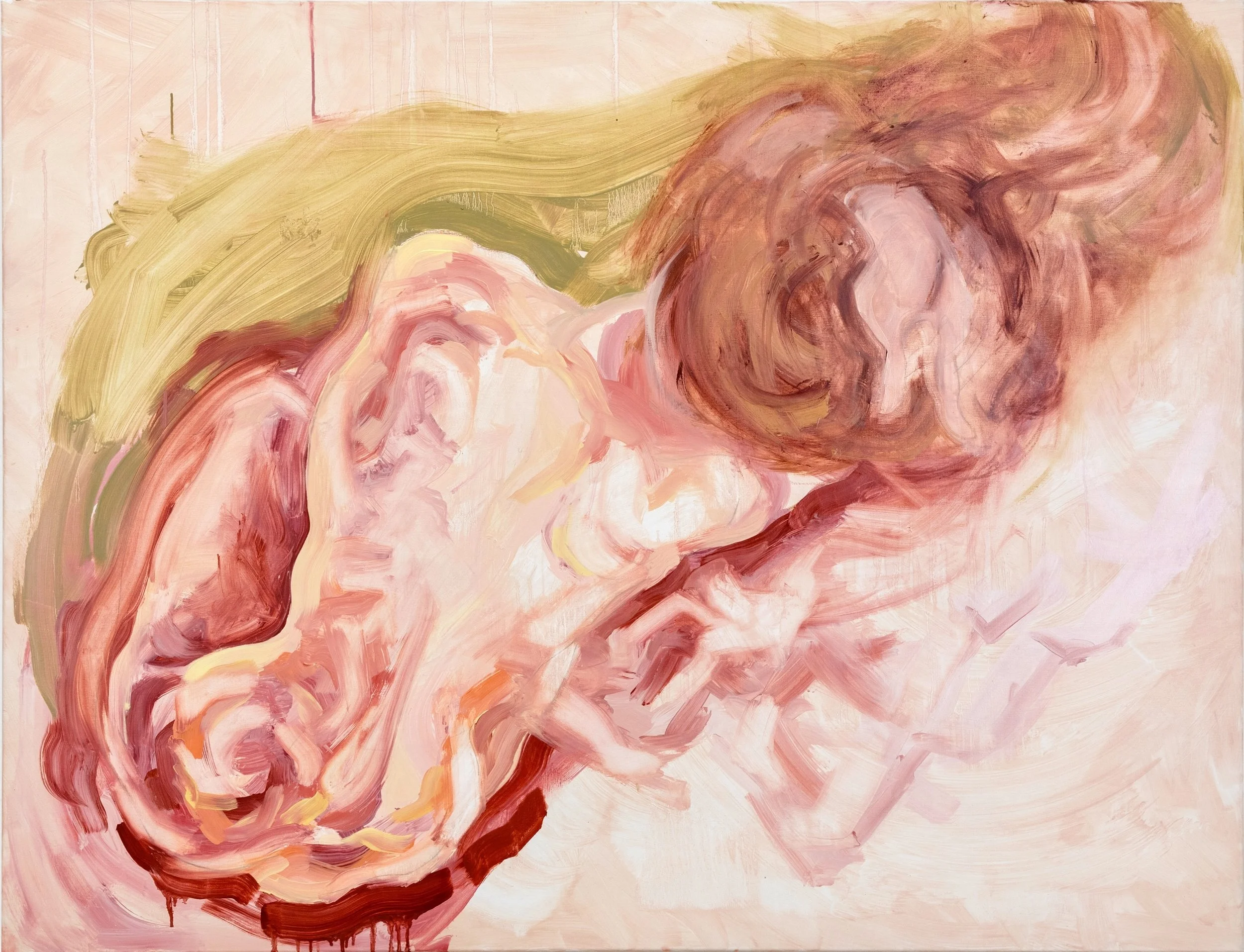
DARA MAILLARD
the red from your lips and fingers
24 April - 30 May 2026
Opening: 23 April 2026, 6-8pm
Get up. Early. Have breakfast. Get out. As fast as possible. Arrive. Get coffee. Put on your old clothes.
Sit down. Do nothing, for some time. Take yourself in. There is this immense tension, inside your chest.
Look, as long as you need to.
Get up. Mix your colors. Think of your colors.
Grab the paintbrush. Throw your arm.
Make a mark, not a scared and hesitant mark.
Make more, more, more. Let your hair down.
Start screaming. Puke it out. Burst out.
Push charcoal on your knees. Scream. Puke. Scream. Swear. Just fucking scream it out.
How can you scream it out on ironed linen?
When you are done, when your rhythm breaks back
down again. Stop. Look. Pull back.
Take a shower. Brush your hair.
Put on your lacy white skirt. Get out.
From all your sweat and tears, you will be glowing.
But leave them there.
Don’t go back out with your old clothes.
Dara Maillard
27.09.24
Studio Notes
Drawing on traditions spanning from Eastern and Western Europe—from Christian Orthodox iconography, through Renaissance and Baroque painting, all the way to the feminist movement—Dara Maillard shapes a visual language that explores the cultural meanings attributed to the female body. As Eleanor Heartney, the internationally acclaimed New York–based art critic and author, notes in her essay on Maillard: “By choosing to center her work on the female body, she enters into the long and complex history of its representations in art. The female body, and in particular the female nude, has been a central motif in Western art since the Renaissance. Over the centuries it has embodied a host of often contradictory meanings, among them purity, sexual availability, depravity, mother love, desire and unbridled lust. Over time, such denotations have helped shape women’s roles, possibilities, and social limitations.”[1]
By reappropriating archetypes such as the muse, the witch and the hysteric, Maillard reclaims narratives shaped by long histories of oppression. Addressing urgent contemporary concerns, she approaches art history as a visual archive to be re-read, displaced, and reconfigured through an anachronistic lens. Born in Bulgaria and raised in Switzerland, her work is further informed by a dual cultural perspective. Her Eastern European academic training introduced her to Orthodox iconography, while her studies in Zurich immersed her in the complexities of contemporary critical discourse. The convergence of these influences results in a body of work that combines social and political critique with an ethereal visual language that recalls the transcendental aura of traditional icons.
While Maillard’s earlier works engaged more explicitly with art historical imagery, her recent practice shifts toward abstraction and internalization. In her new collages, the body becomes increasingly fragmented, dissolving into gesture and landscape, shifting the emphasis from representation to sensation. Influenced by artists such as Francesca Woodman, Louise Bourgeois, and Carolee Schneemann, Maillard explores the body as a site of lived experience, where anguish and joy coexist through movement, material, and mark-making.
Formally, Maillard’s practice is rooted in painting but extends into sculpture, installation, collage and printmaking. She incorporates materials such as photo transfers, nails, fabrics, tape, and oxidized and engraved metal plates, producing tactile and visceral surfaces. Through this layered interplay of history, material, and sensation, she develops a visual vocabulary that engages the complexity of embodiment and the shifting meanings of the female body today.
Coming of age in a period marked by shifting conceptions of gender, Maillard’s practice does not seek to resolve the contradictions inherent in the representation of the body, but rather to sustain them. The body remains a site of projection and control, of resistance and transformation. By inhabiting this tension, her work creates a space in which historical narratives, material processes, and embodied experience intersect, producing an iconography attuned to the instabilities of contemporary subjectivity. Referring to Barbara Kruger’s iconic statement Your Body is a Battleground from 1989 Heartney concludes in her essay: “The body has remained a battleground for many reasons, not least being the way it is the locus of pleasure as well as pain. From this contradictory web of meanings and influences, Maillard is forging an art that embraces the complexity of women’s lives.”[2]
Dara Maillard lives and works in Zurich. Born in Sofia, Bulgaria, in 2002, she moved to Geneva in 2007. She received her BA in 2023 and her MA in 2025 from the Zürcher Hochschule der Künste. In 2025, she was awarded a grant from the American Foundation for Bulgaria, in collaboration with the Robert Blackburn Printmaking Workshop, Elizabeth Foundation for the Arts, New York.
————————————
[1] and [2] Heartney, Eleanor: Dara Maillard - Beyond the Surface, August 2025, commissioned by Ted Vassilev.
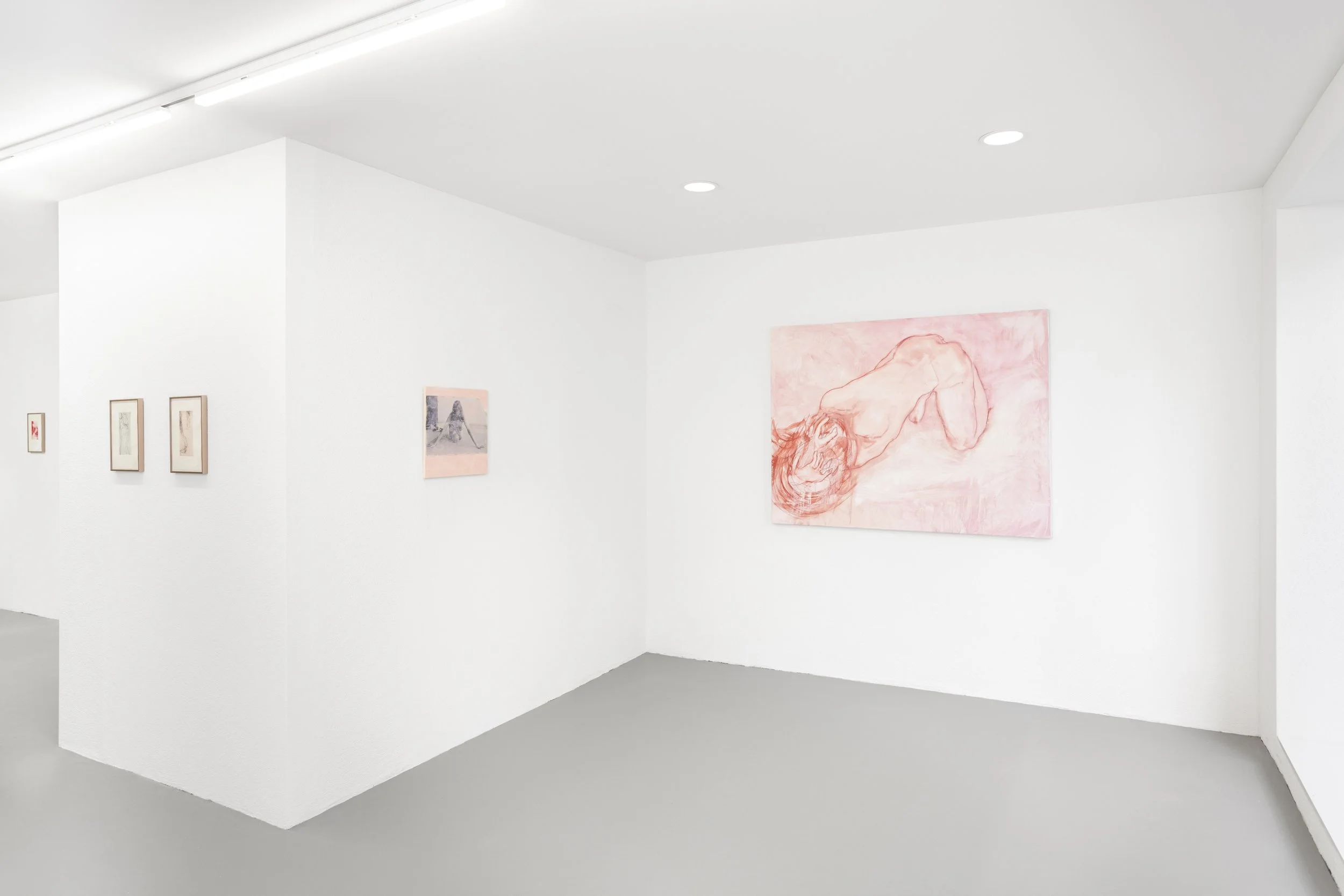
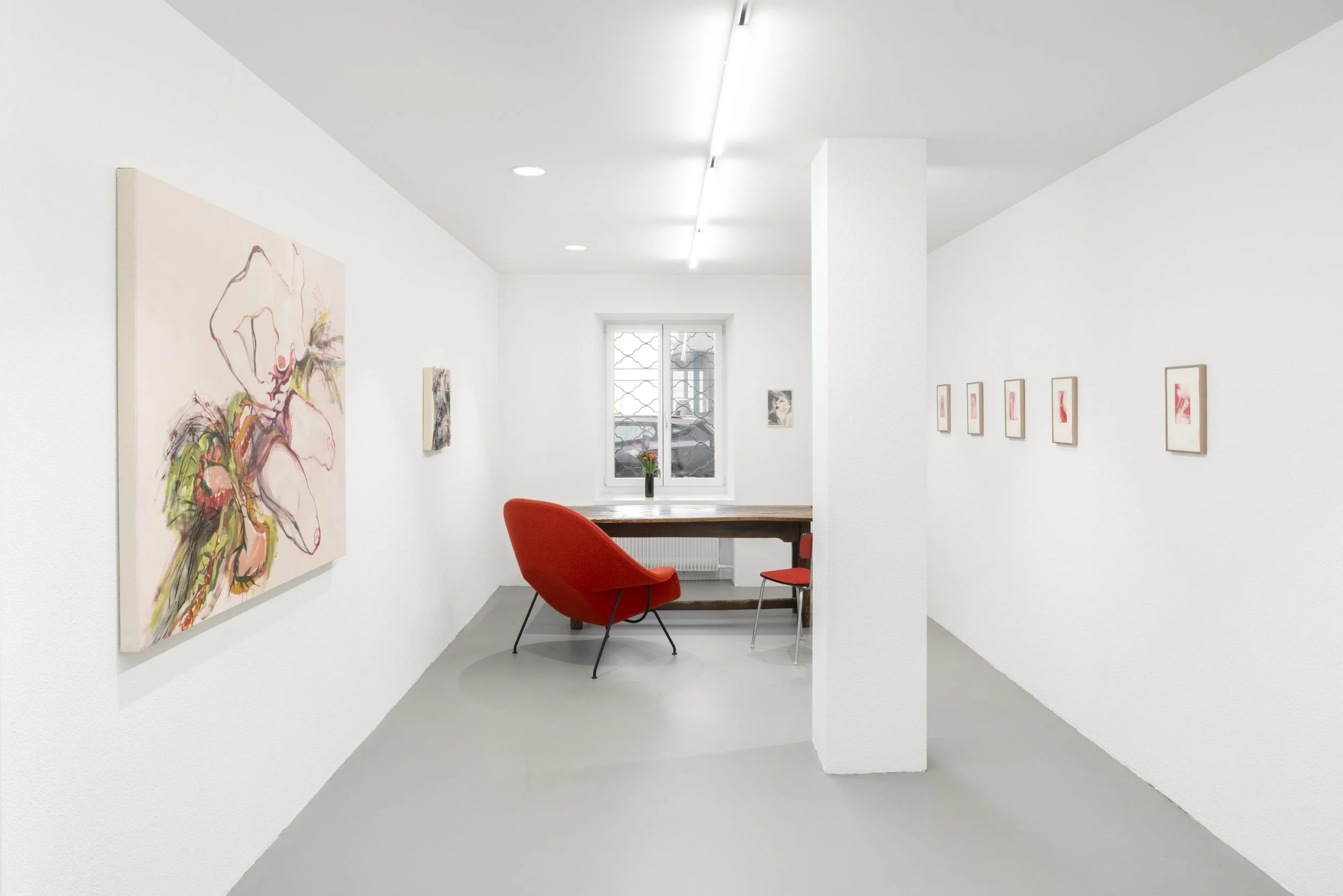
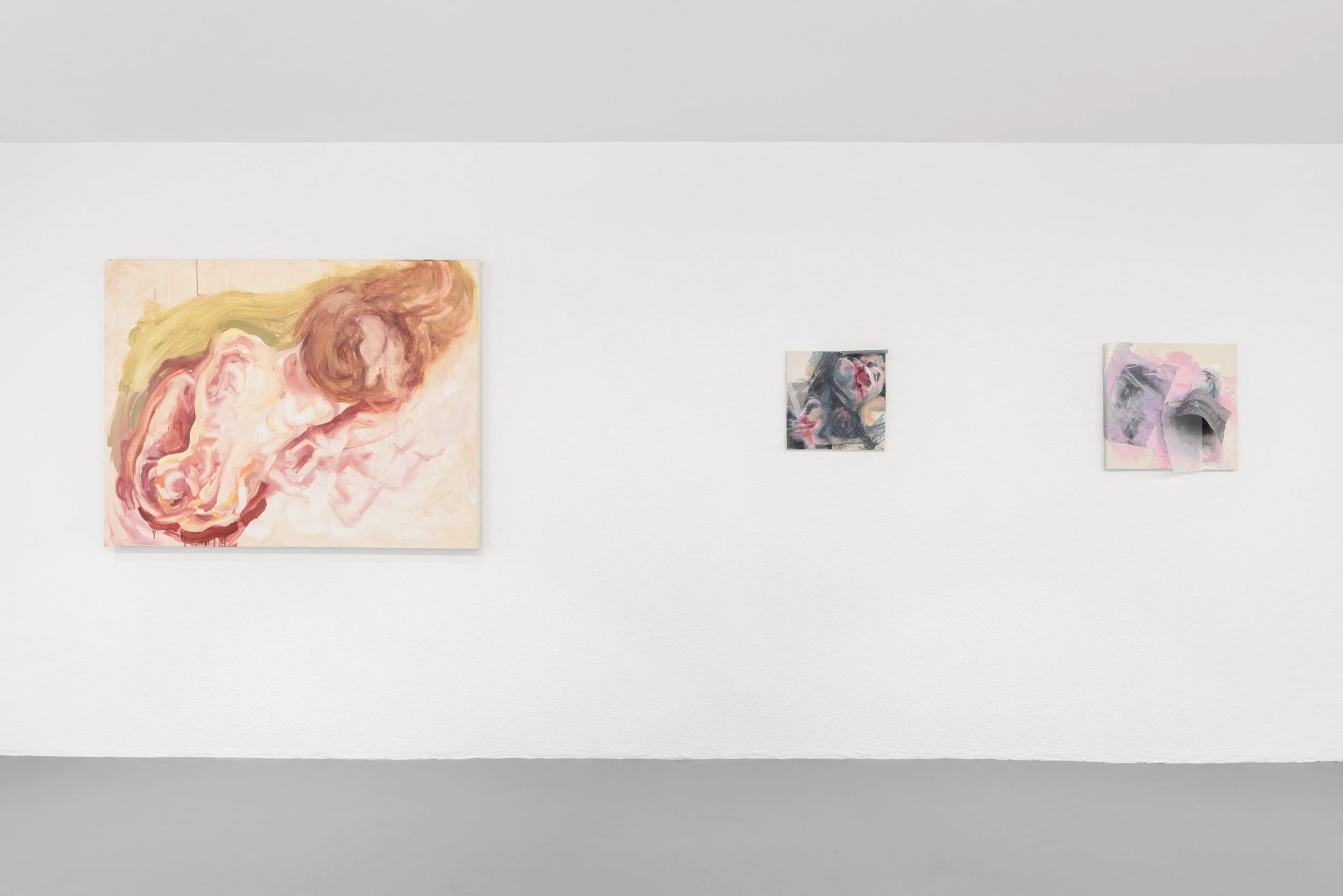
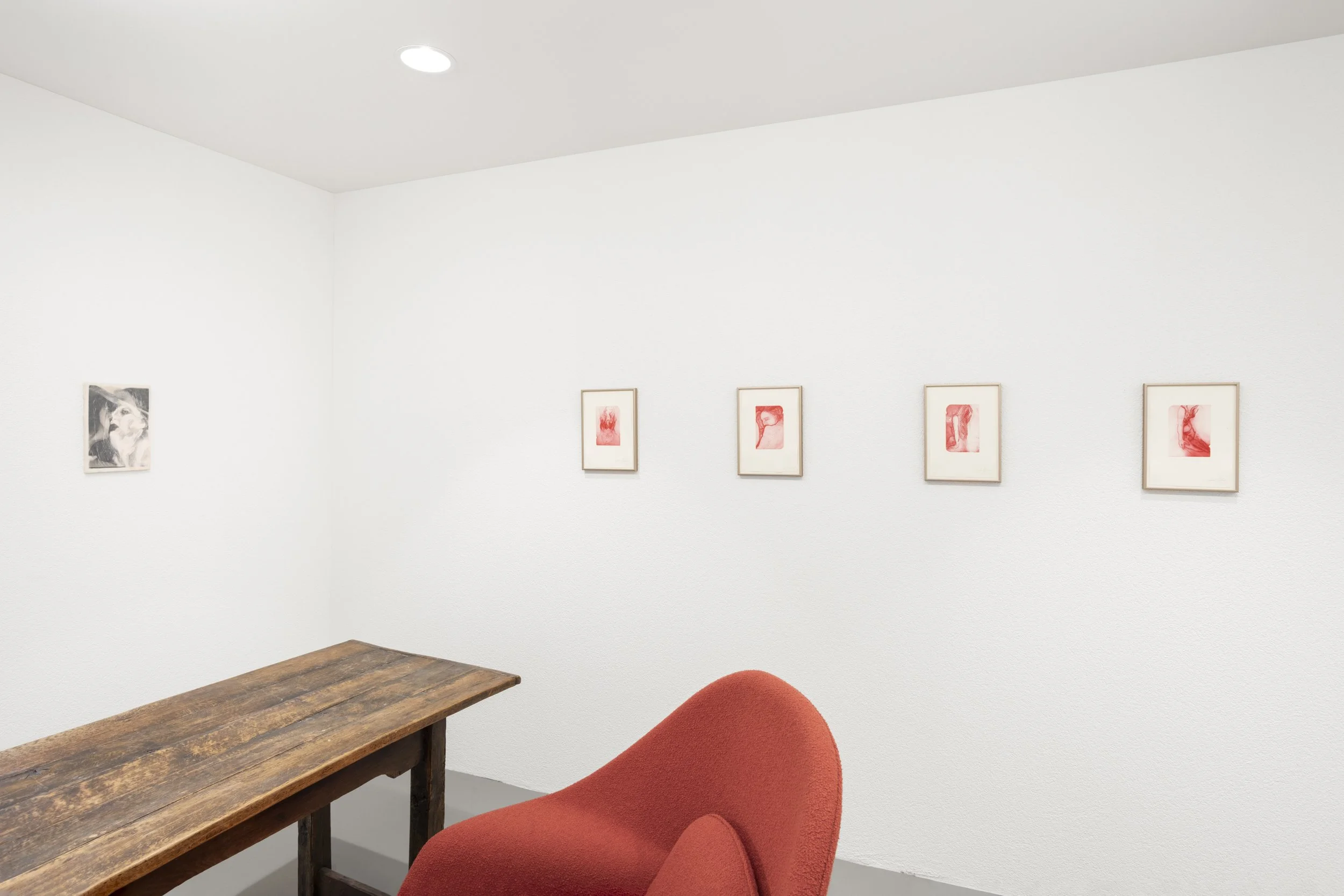
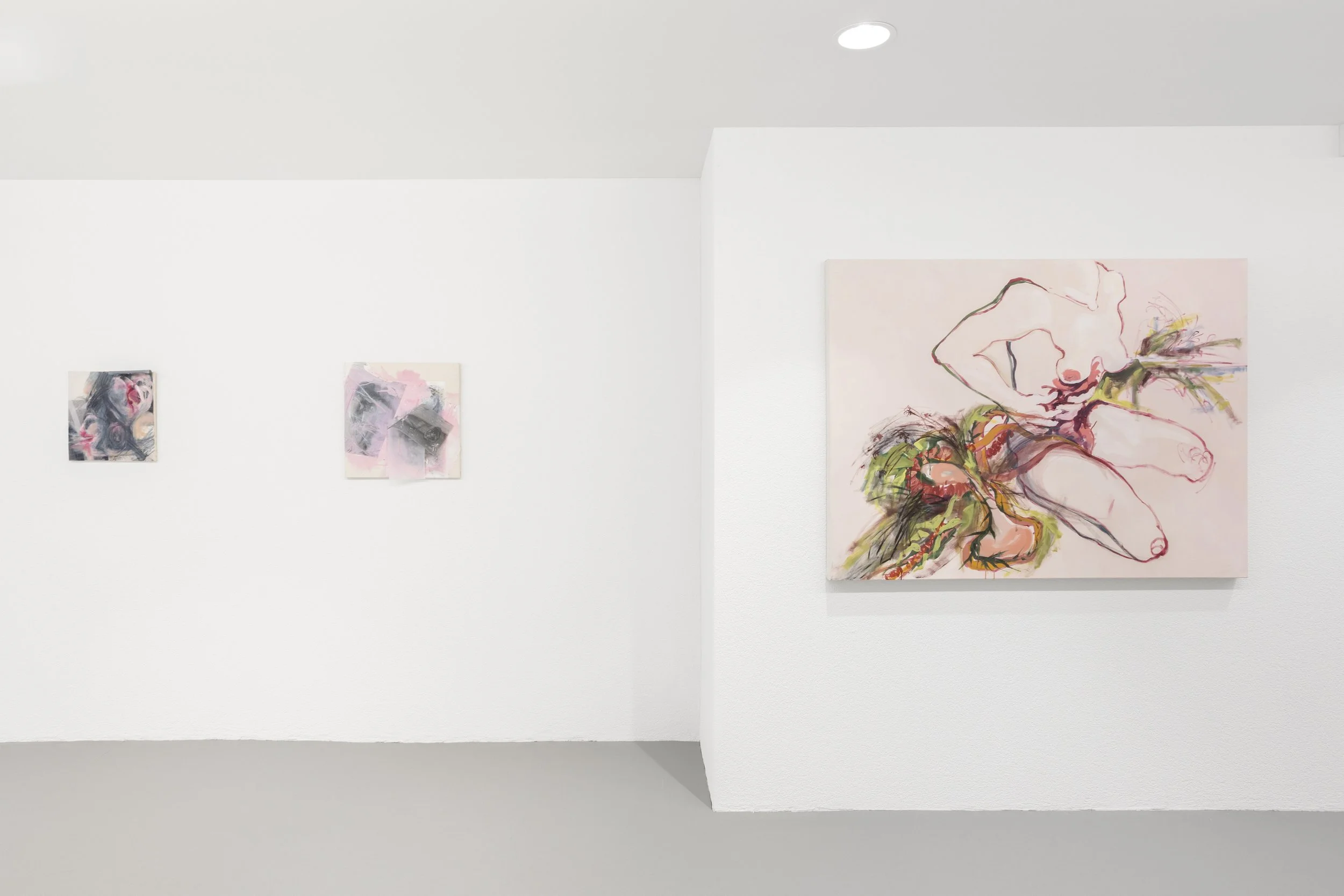
Installation Views
Works
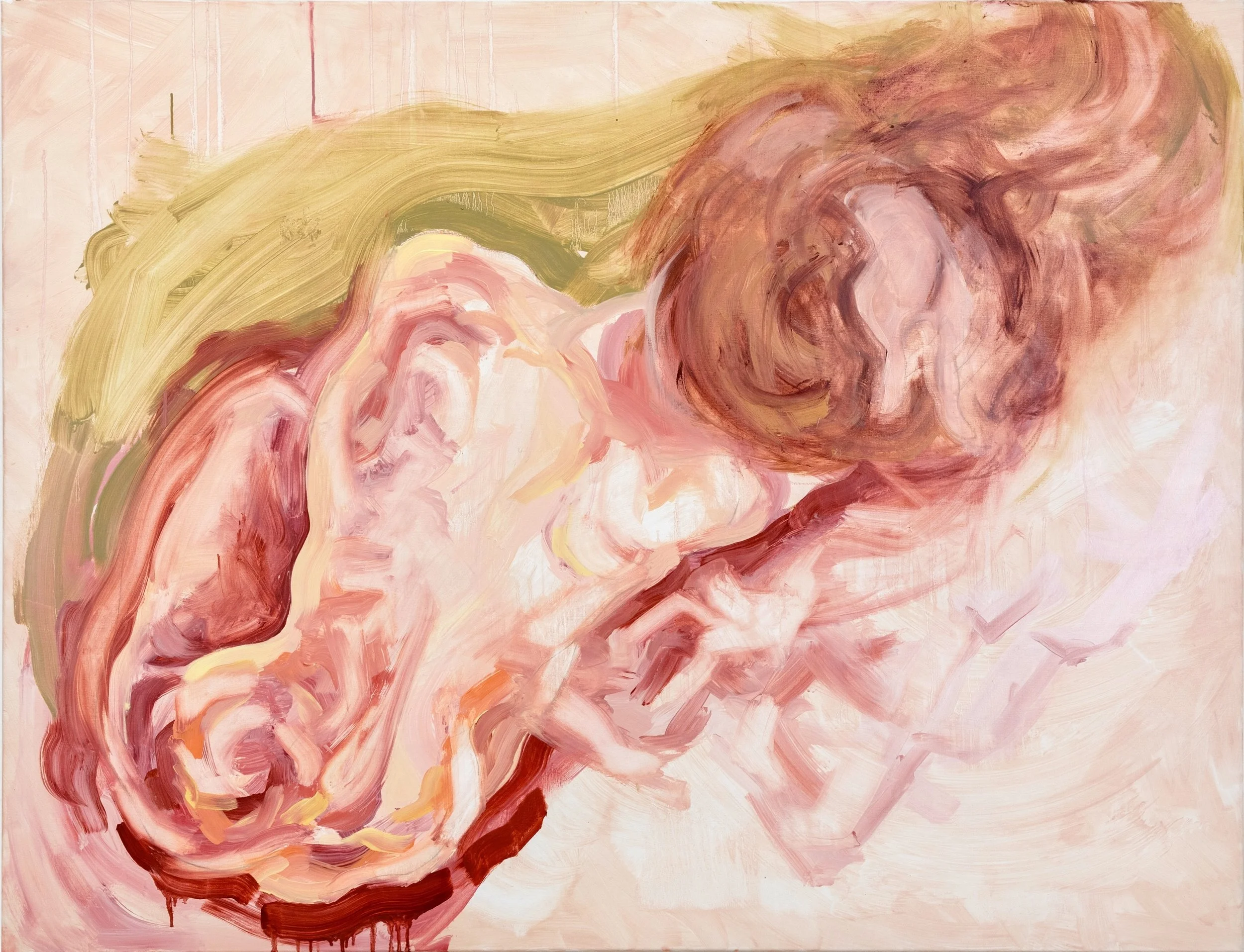
Landscape II, 2025
oil on canvas
150 x 200 cm
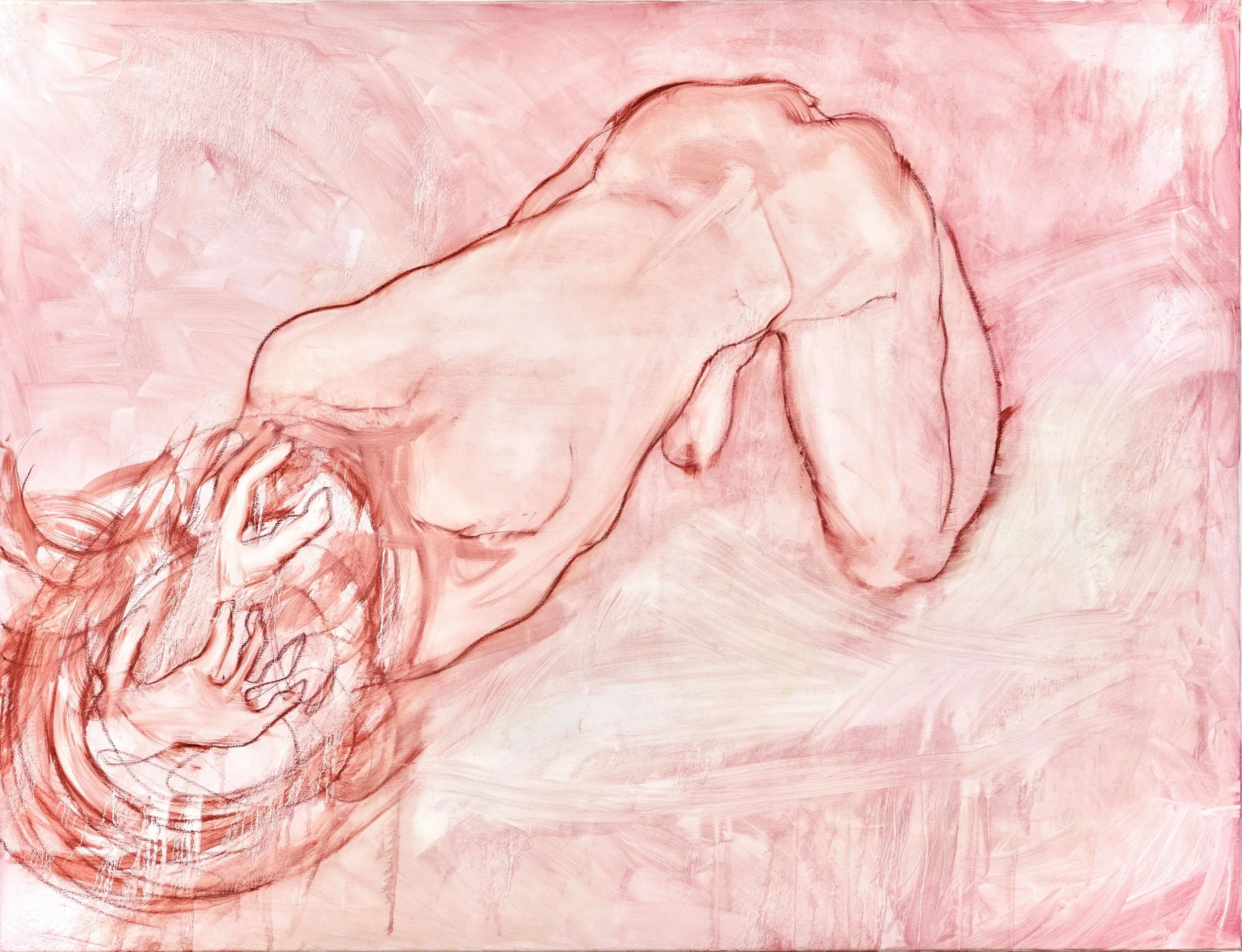
Landscape III, 2025
oil on canvas
150 x 200 cm
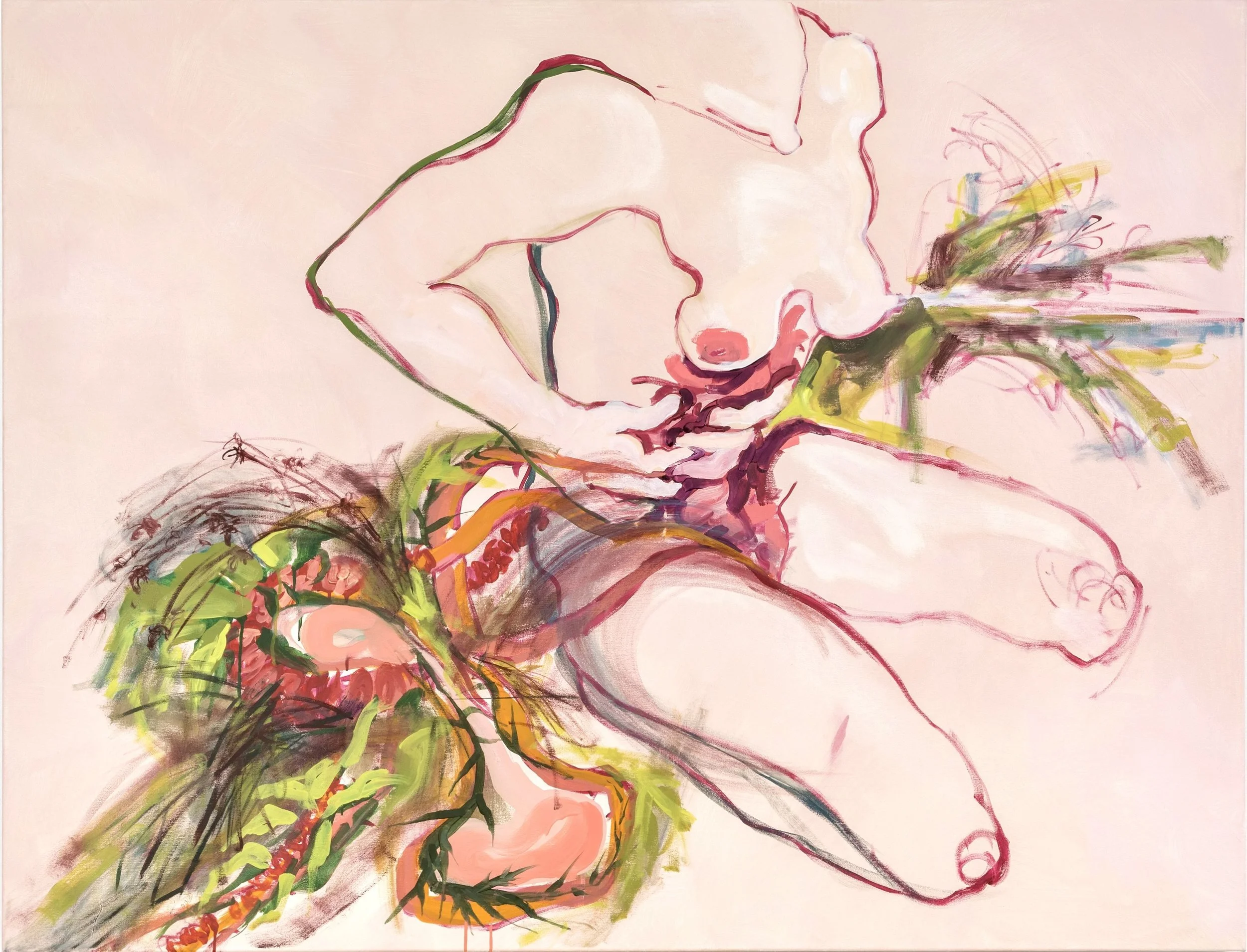
Landscape IV, 2025
oil on canvas
150 x 200 cm
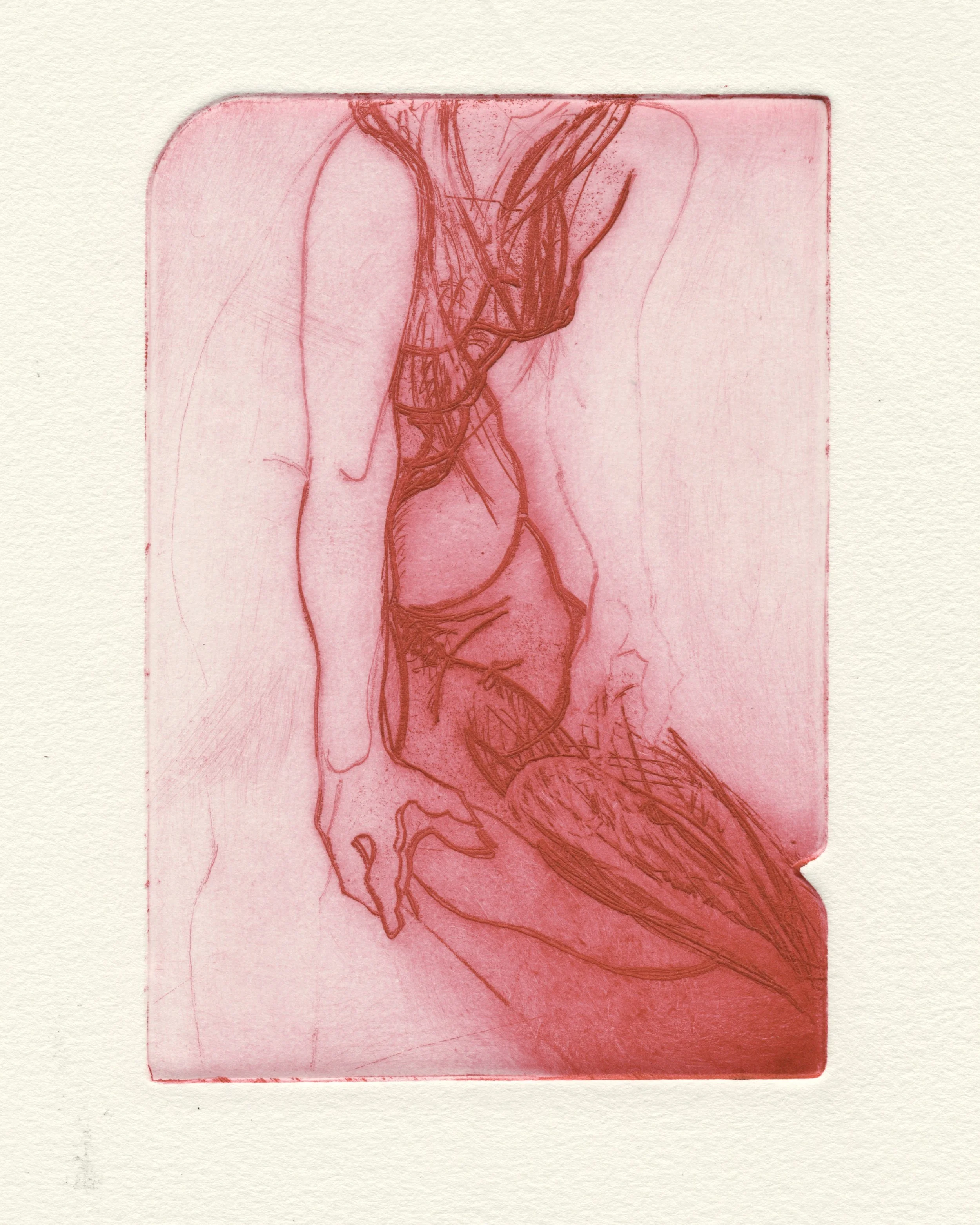
Vanitas Reframed II, 2025
etching, intaglio print on paper
28x20cm (sheet), 15x10cm (etching), 30x22cm (incl. frame)
ed. of 5
signed and dated lower right
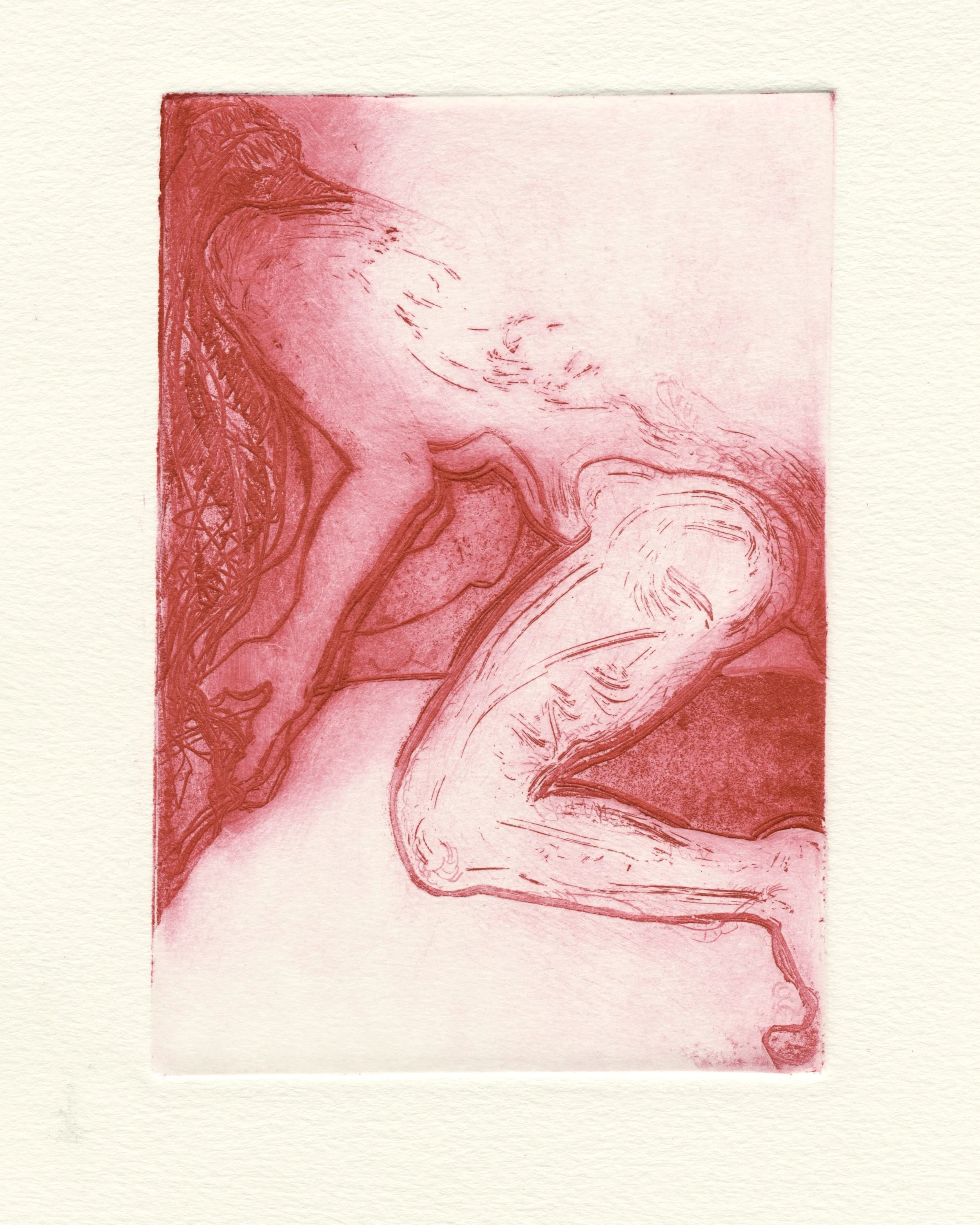
Vanitas Reframed III, 2025
etching, intaglio print on paper
28x20cm (sheet), 15x10cm (etching), 30x22cm (incl. frame)
ed. of 5
signed and dated lower right
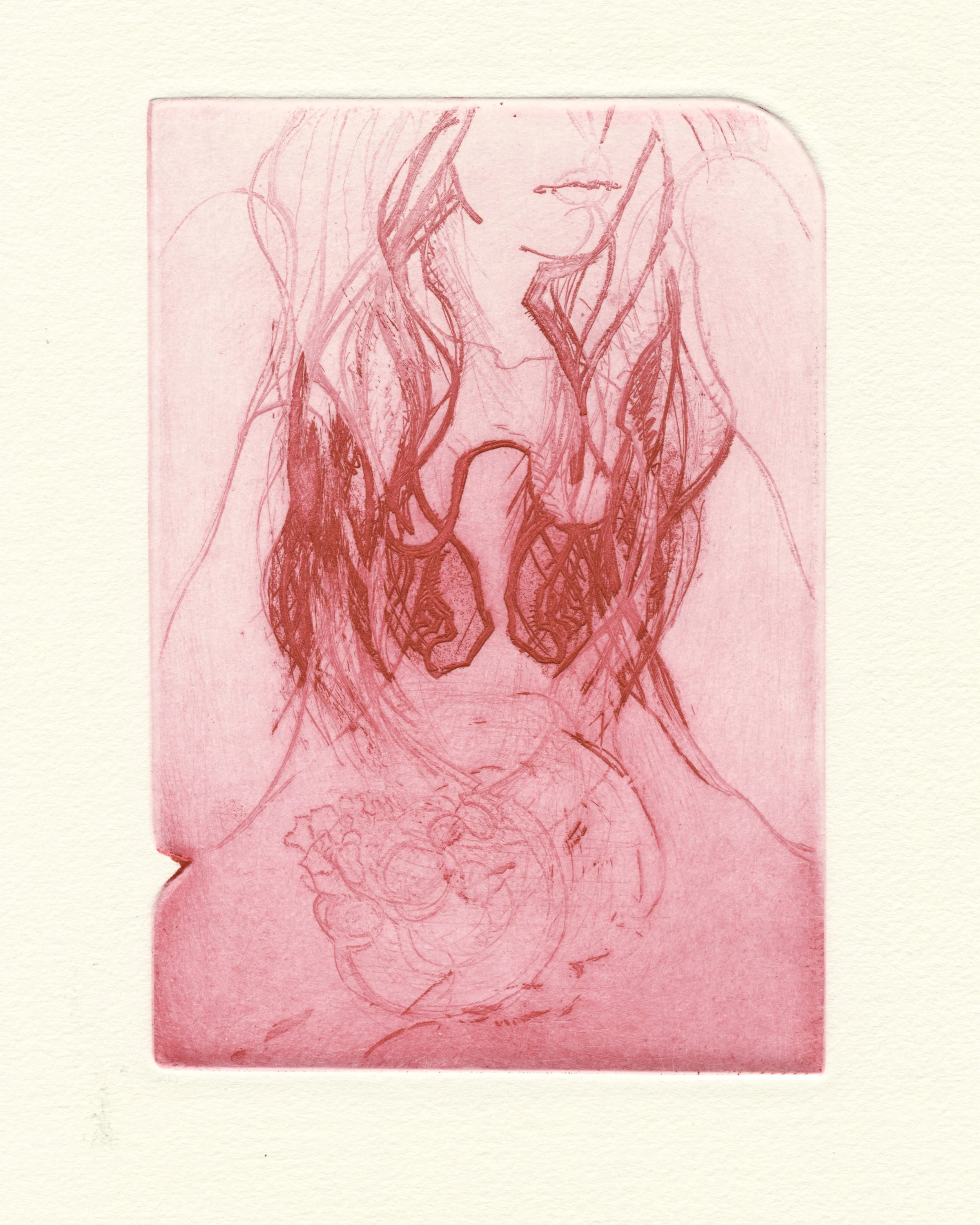
Vanitas Reframed IV, 2025
etching, intaglio print on paper
28x20cm (sheet), 15x10cm (etching), 30x22cm (incl. frame)
ed. of 5
signed and dated lower right
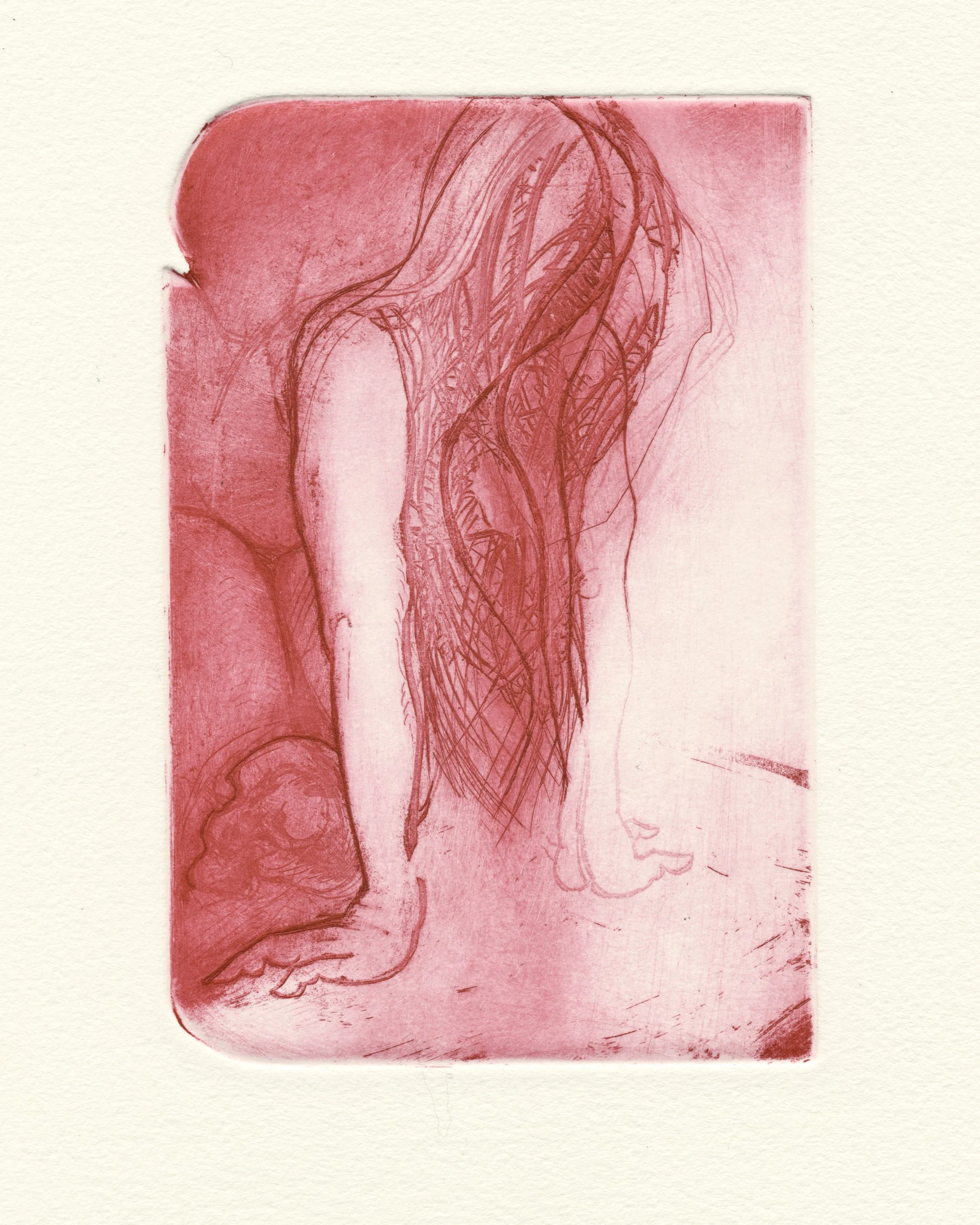
Vanitas Reframed V, 2025
etching, intaglio print on paper
28x20cm (sheet), 15x10cm (etching), 30x22cm (incl. frame)
ed. of 5
signed and dated lower right
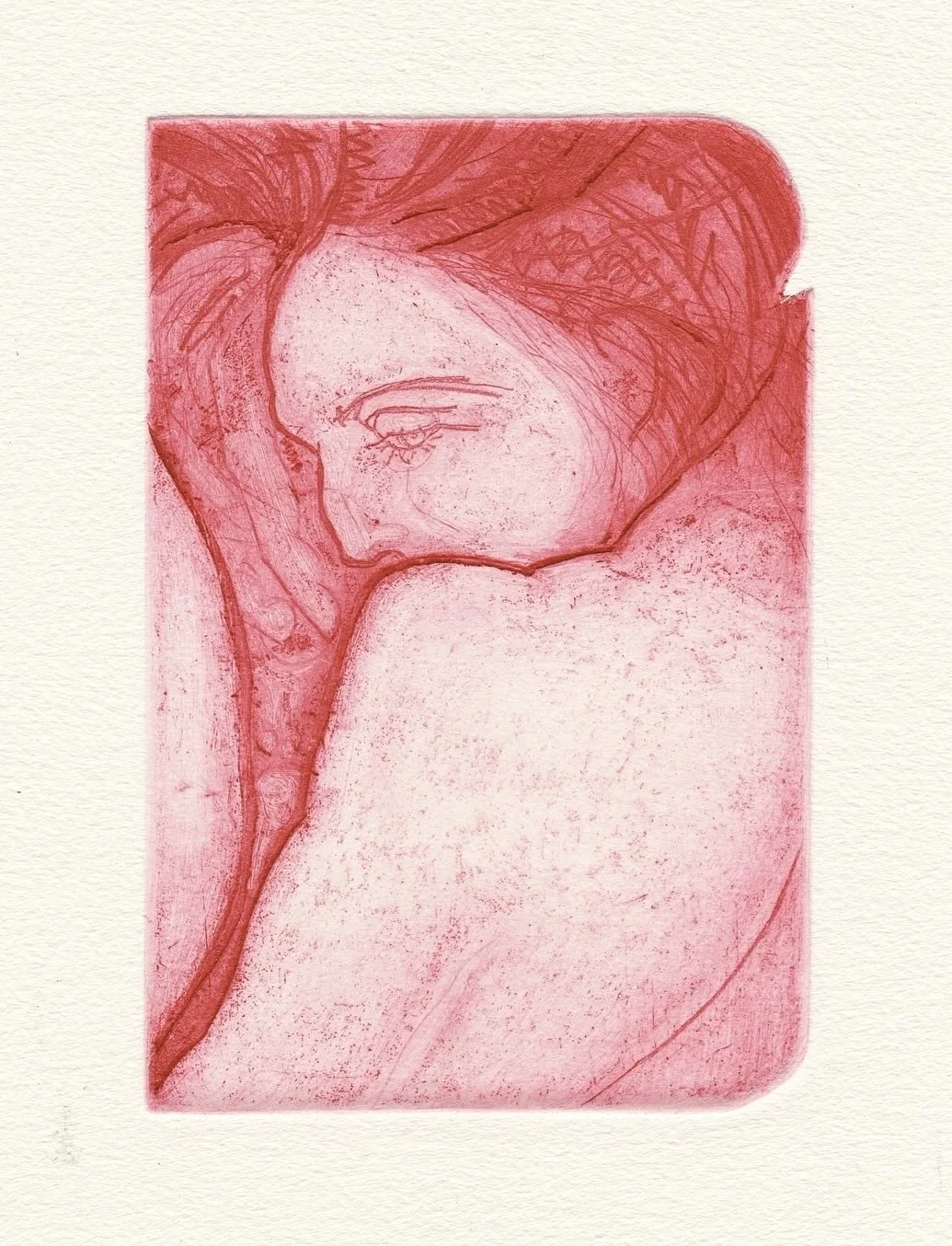
Vanitas Reframed VI, 2025
etching, intaglio print on paper
28x20cm (sheet), 15x10cm (etching), 30x22cm (incl. frame)
ed. of 5
signed and dated lower right
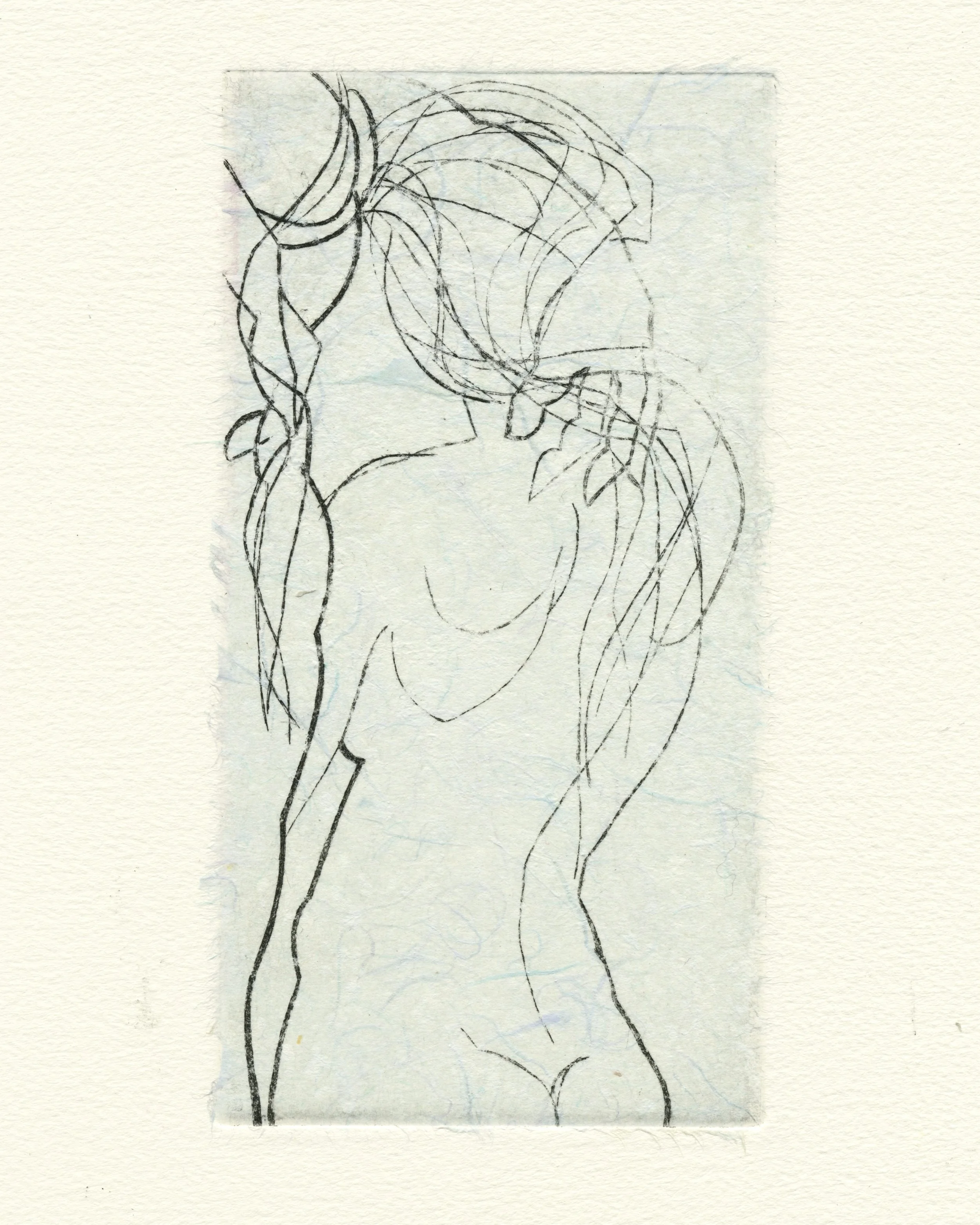
Vanitas Reframed VII, 2025
etching, intaglio print on paper
28x20cm (sheet), 15x10cm (etching), 30x22cm (incl. frame)
ed. of 5
signed and dated lower right
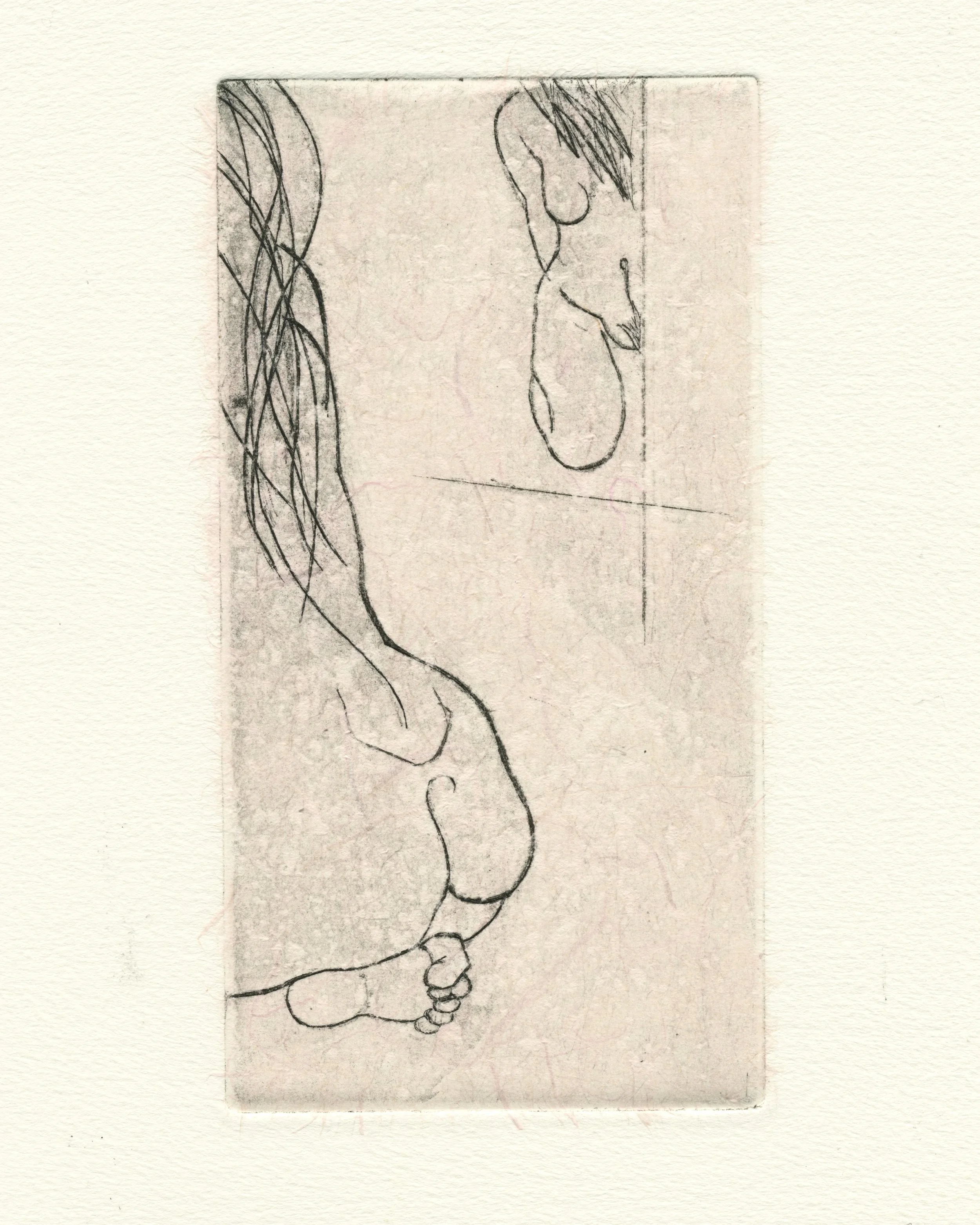
Vanitas Reframed VIII, 2025
etching, intaglio print on paper
28x20cm (sheet), 15x10cm (etching), 30x22cm (incl. frame)
ed. of 5
signed and dated lower right
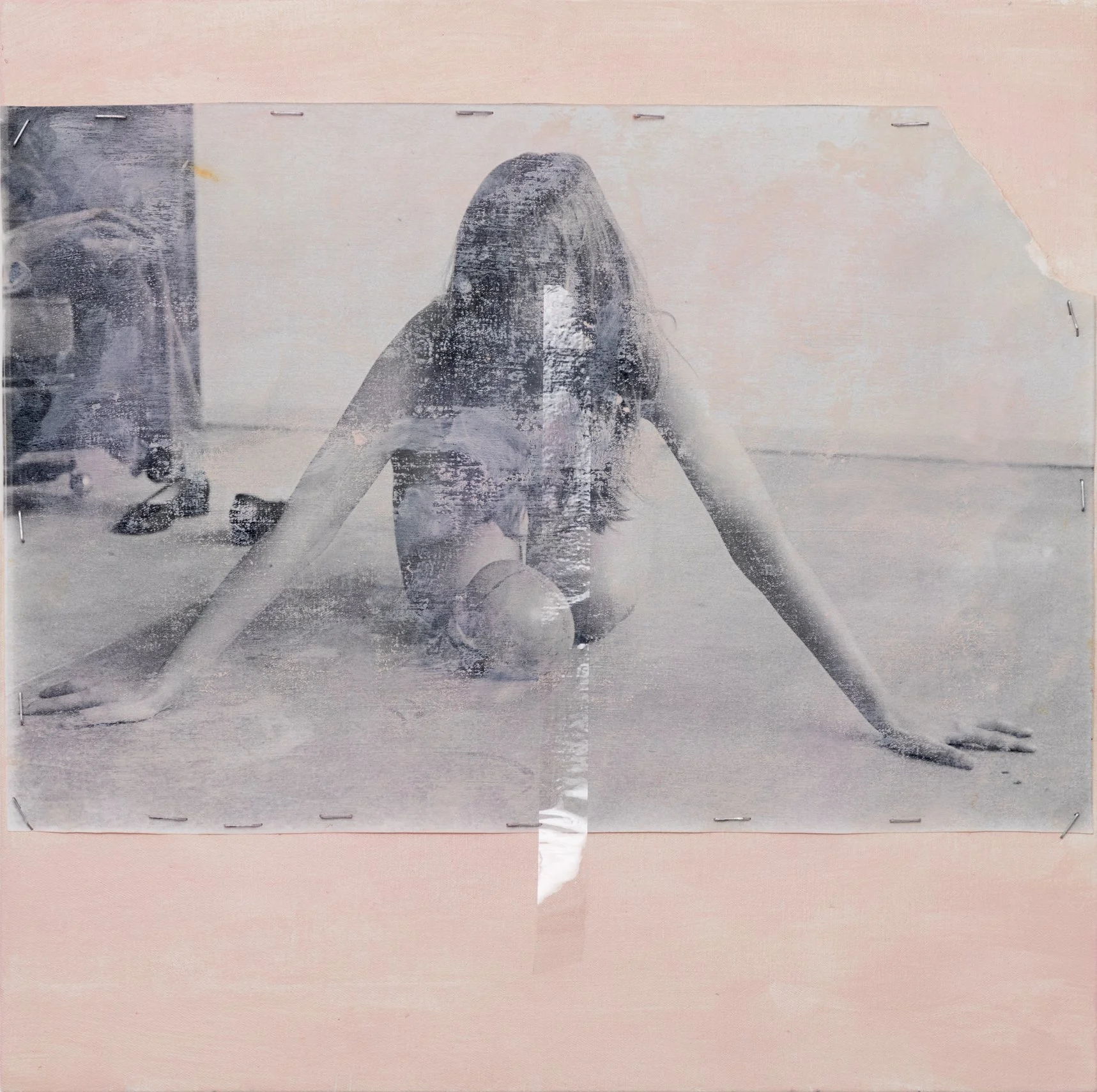
Carmine VII, 2026
Laser-printed photograph (by Philip Tsapaliras), acrylic paint, oil paint, staples, tape, and glue on canvas, mounted on panel
40 x 40 cm
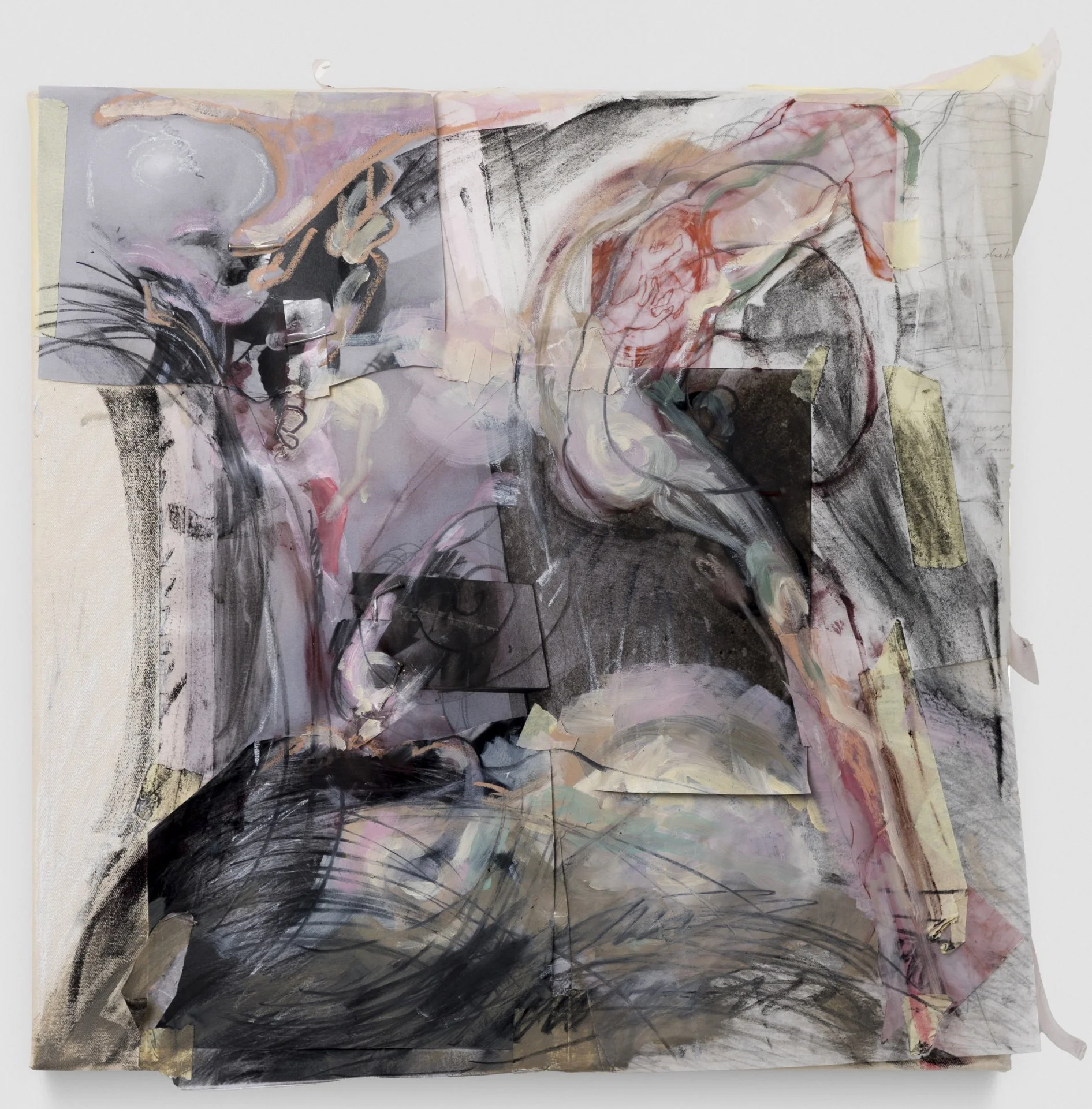
Carmine I, 2026
Laser-printed photographs, tracing paper, pencil, charcoal, marker, oil paint, pastel, tape, glue, and nails on canvas
45 x 45 cm
In collaboration with Philip Tsapaliras
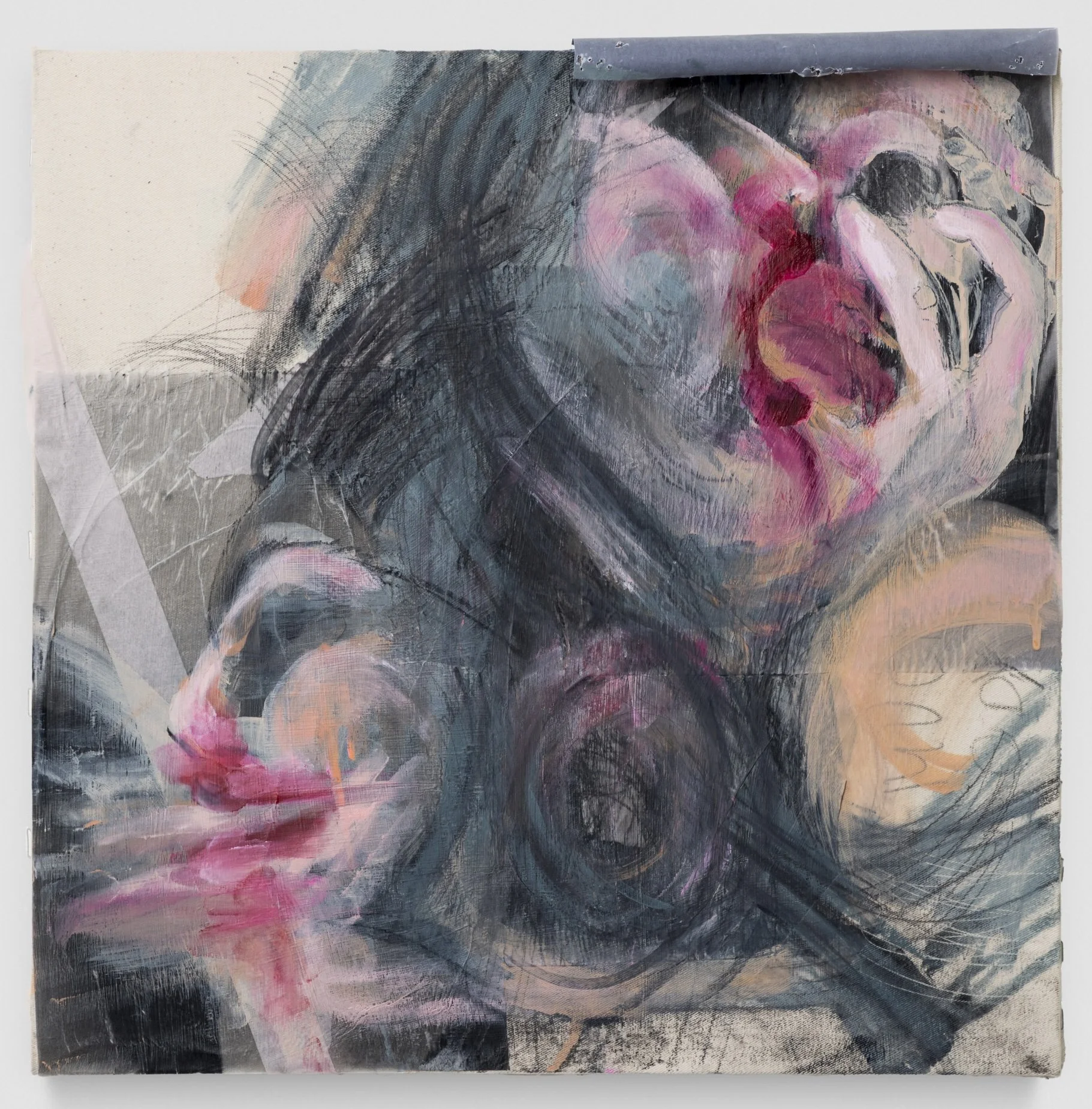
Carmine V, 2026
Laser-printed photographs (by Philip Tsapaliras), pencil, charcoal, marker, acrylic paint, oil paint, tape, and glue on canvas mounted on panel
40 x 40 cm
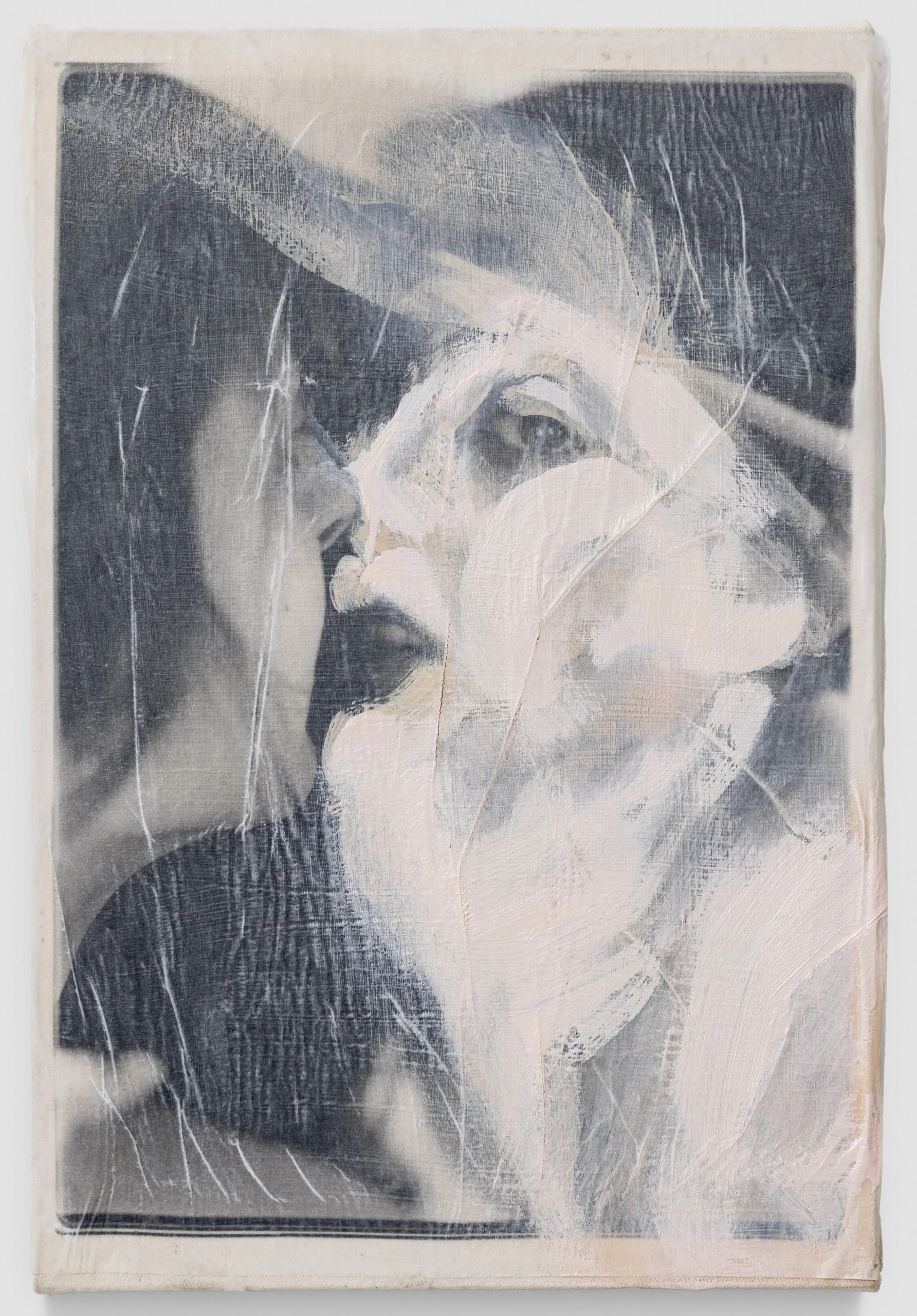
Carmine VI, 2026
Laser-printed photograph (by Philip Tsapaliras), acrylic paint, oil paint, and glue on canvas mounted on panel
20 x 30 cm
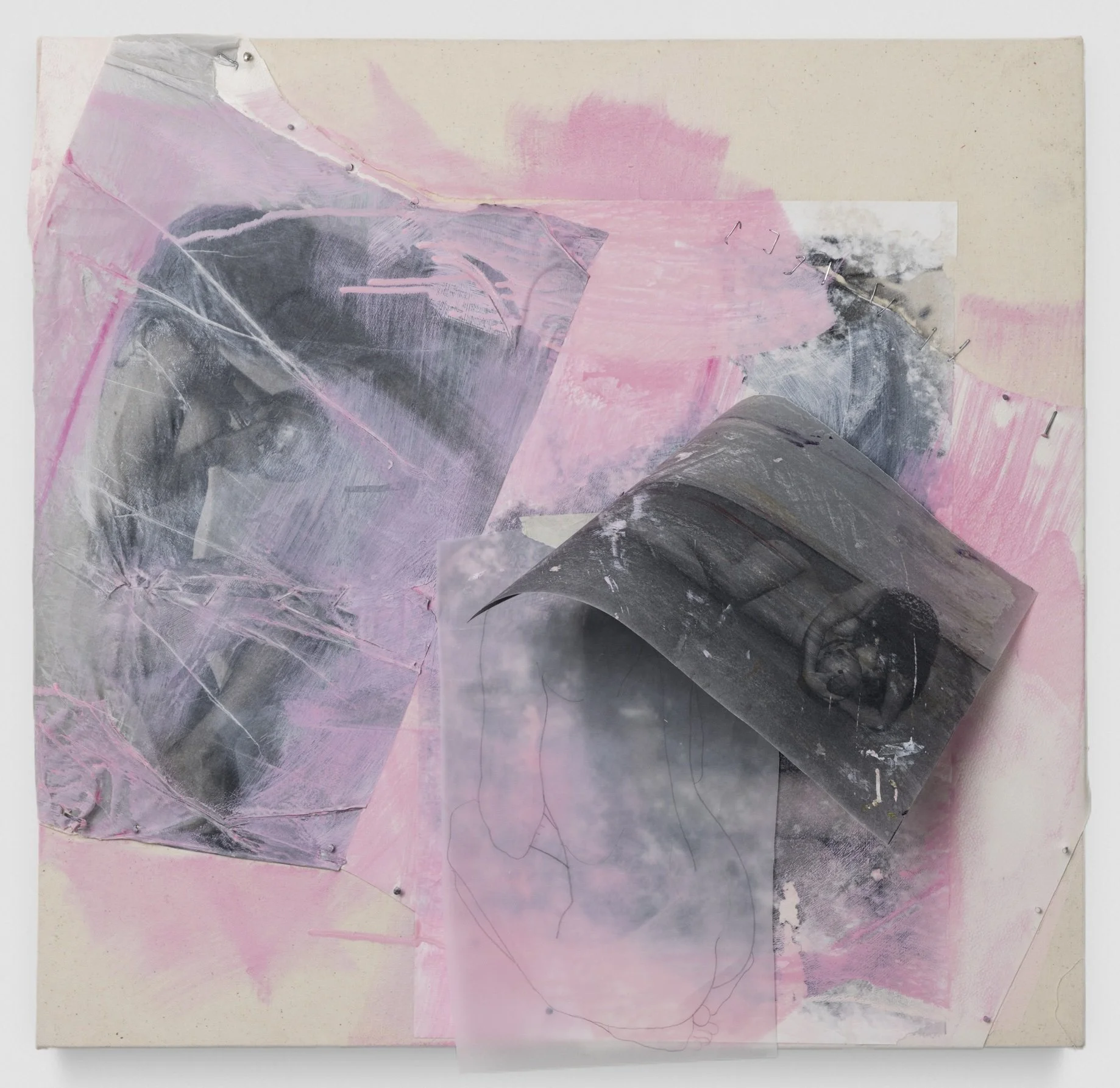
Carmine VIII, 2026
Laser-printed photographs (by Philip Tsapaliras), tracing paper, leather, pencil, acrylic paint, oil paint, staples, nails, tape, and glue on canvas mounted on panel
55 x 55 cm