Nudes
Nudes
Yumna Al-Arashi
Polly Borland
Tracey Emin
Chantal Joffe
Christine Lederer
Anys Reimann
Elsa Rouy
Joan Semmel
Sylvia Sleigh
Annegret Soltau
Michaela Spiegel
Exhibition: February 6 - March 14, 2026
Opening: February 5, 2026
The representation of the female body has a long history. A history of seeing—and of being seen. Since ancient times, especially in modern European art, it has emerged as an aesthetic form, as an image that revealed more than it conveyed. Women's bodies became vehicles for ideas, fantasies, and ideals of beauty, and these representations have shaped our understanding of the body, beauty, and perception, continuing to have an impact to this day.
Nudes takes up this pictorial space and gently transforms it. This exhibition invites viewers to take a fresh look at the representation of the female body from a female perspective, paying attention to what has long been overlooked. Breaking away from the classic male gaze, it opens up to other forms of perception. Here, the female body is not presented as an object, but as an independent presence: tangible, conscious and at peace with itself.
At the heart of Nudes lies a subtle departure from traditional ideals. Rather than being shown as perfect forms, bodies are presented as they are: vulnerable, powerful and contradictory. It becomes a reflection of existence, an exploration of awareness, experience and self-perception. The body is not only displayed, but also accepted, shaped and embraced. Whether it is one's own body or someone else's is irrelevant. What matters is the attitude of mindfulness and empowerment from which the representation arises. Thus, the artistic process becomes a quiet act of agency, bringing together closeness, intimacy and presence.
Ultimately, Nudes encourages us to view the body beyond external expectations and embrace it. It thus becomes a poetic place — a space of reappropriation where presence can emerge anew, self-determination can quietly take shape, and the boundary between observer and observed can gently blur.
Installation Views
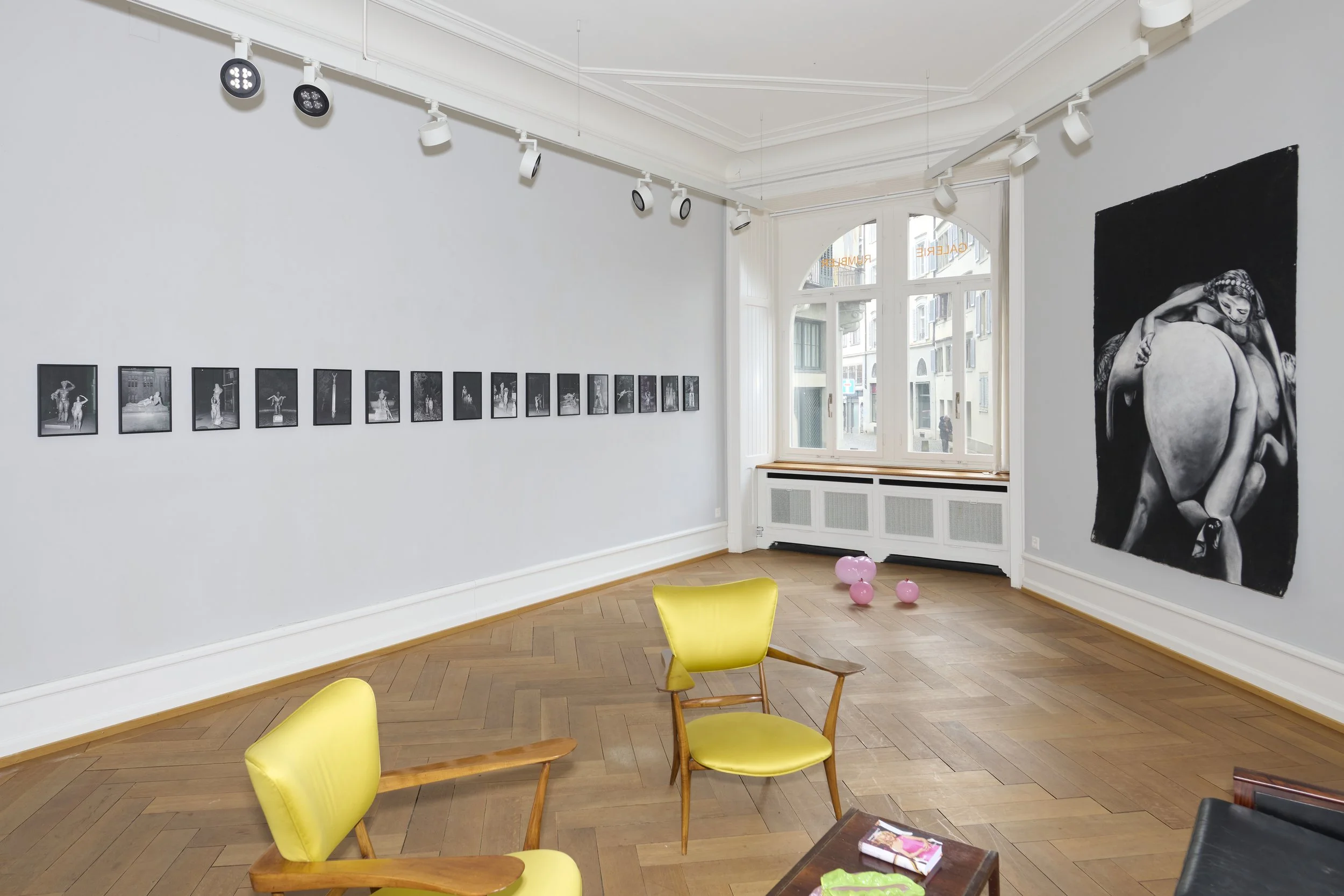
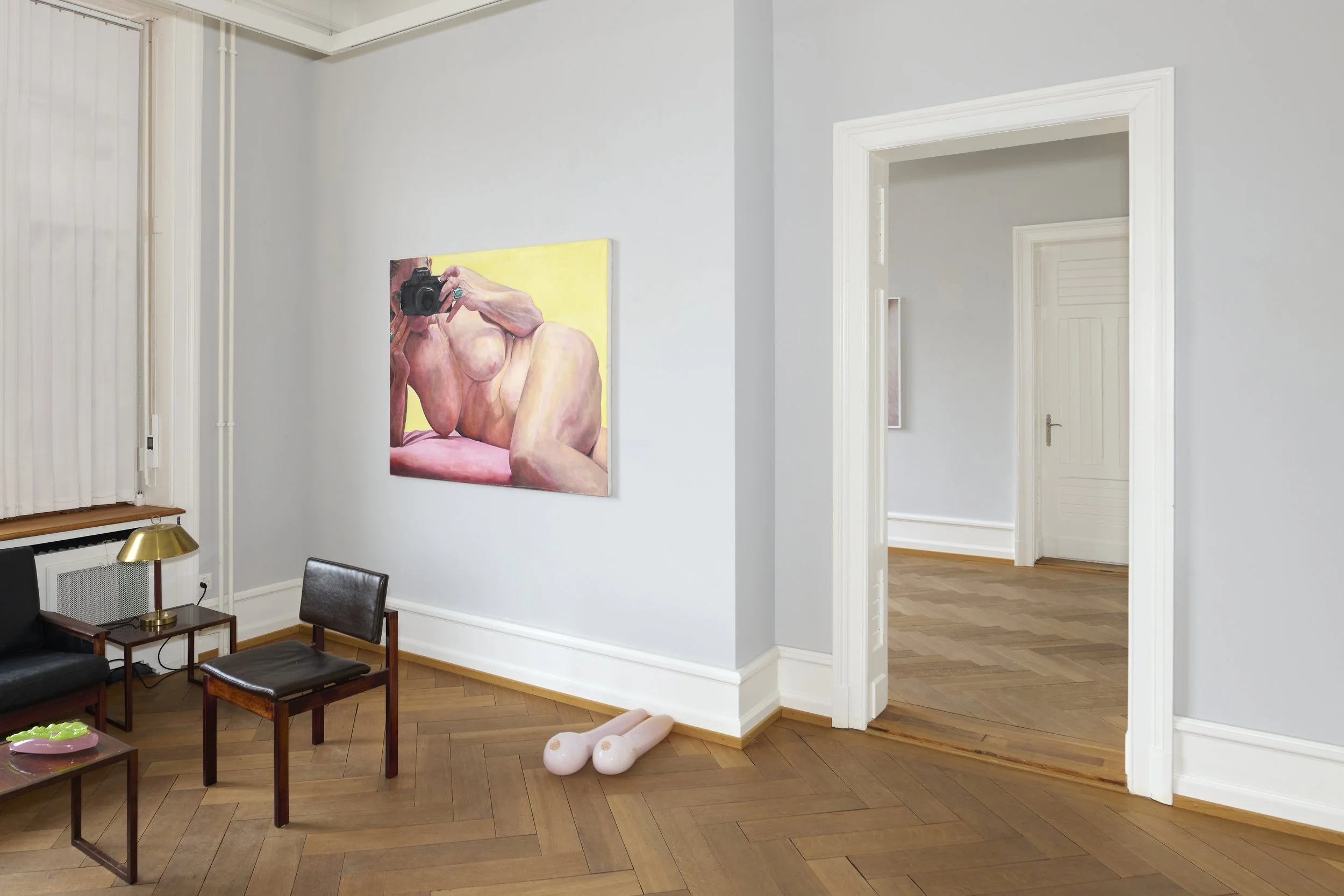
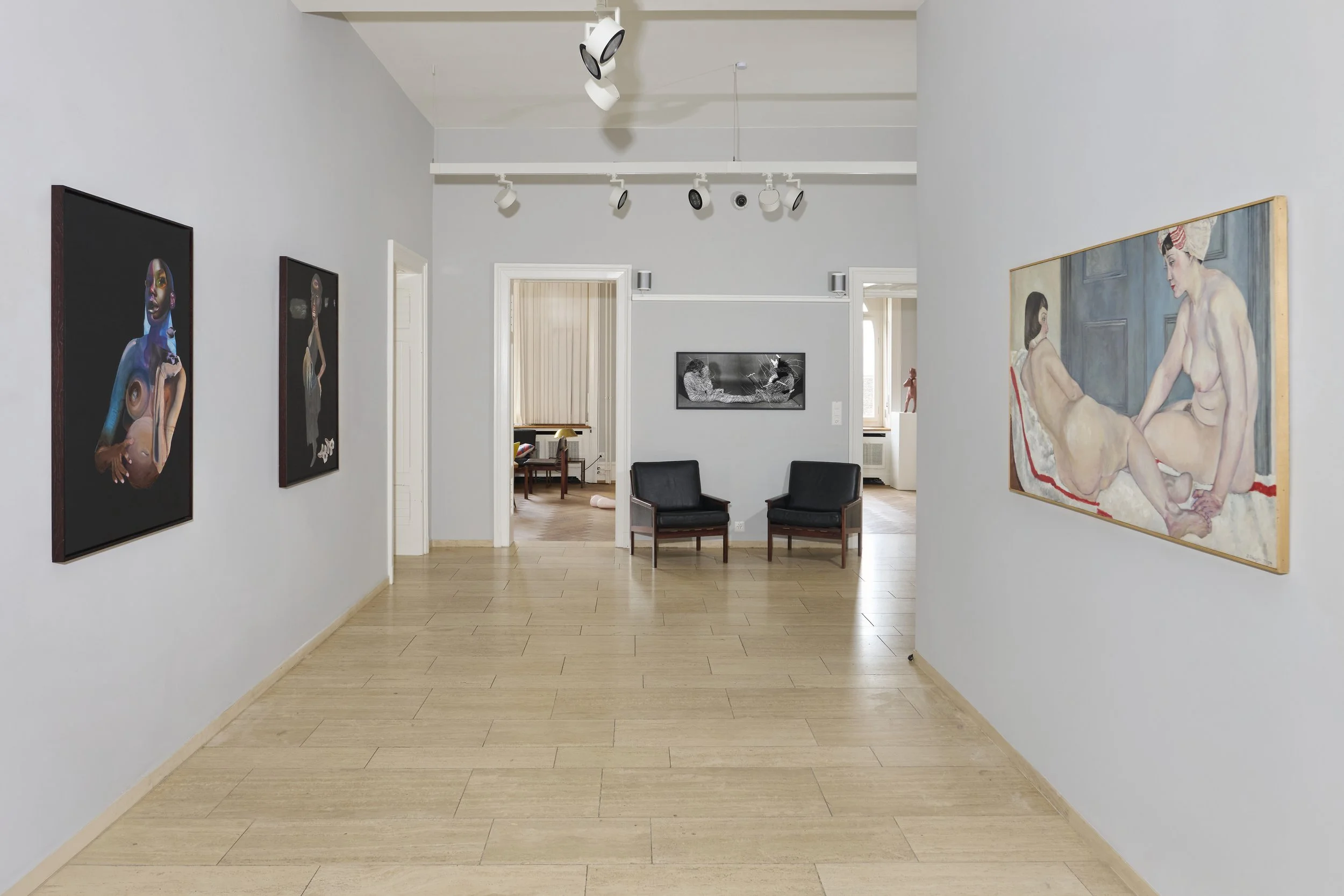
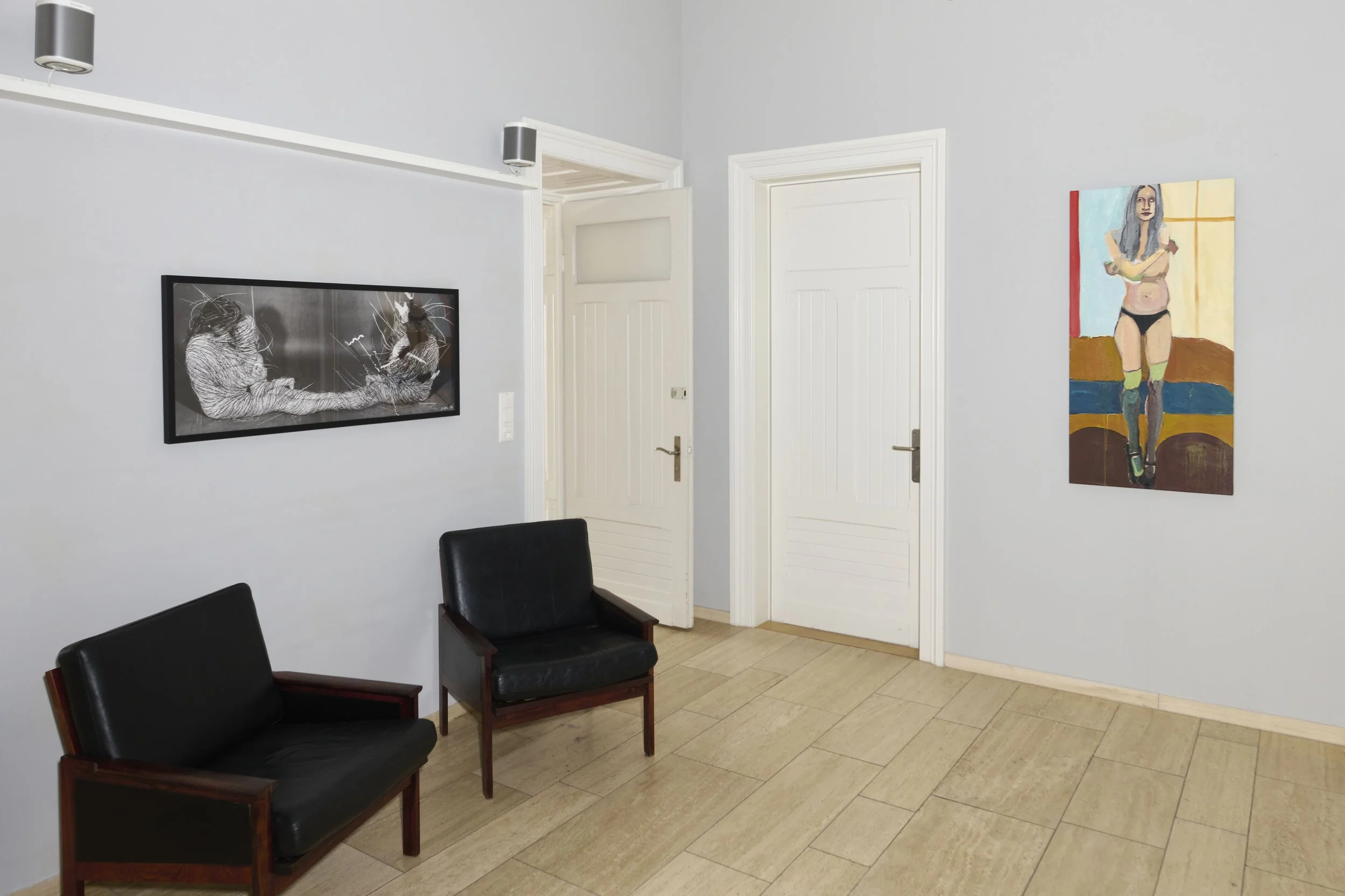
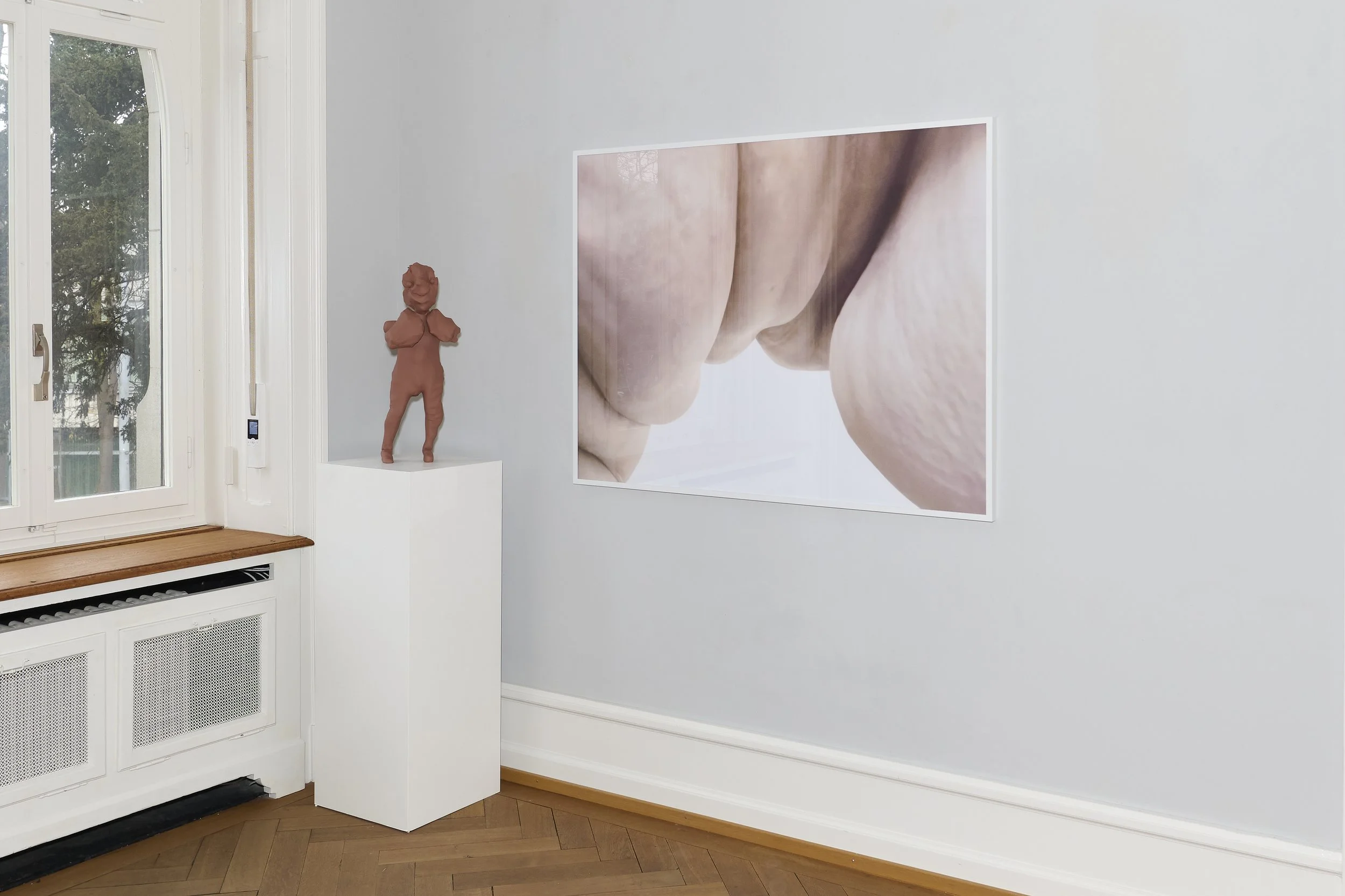

(all 📷 Flavio Karrer)
Exhibited Works
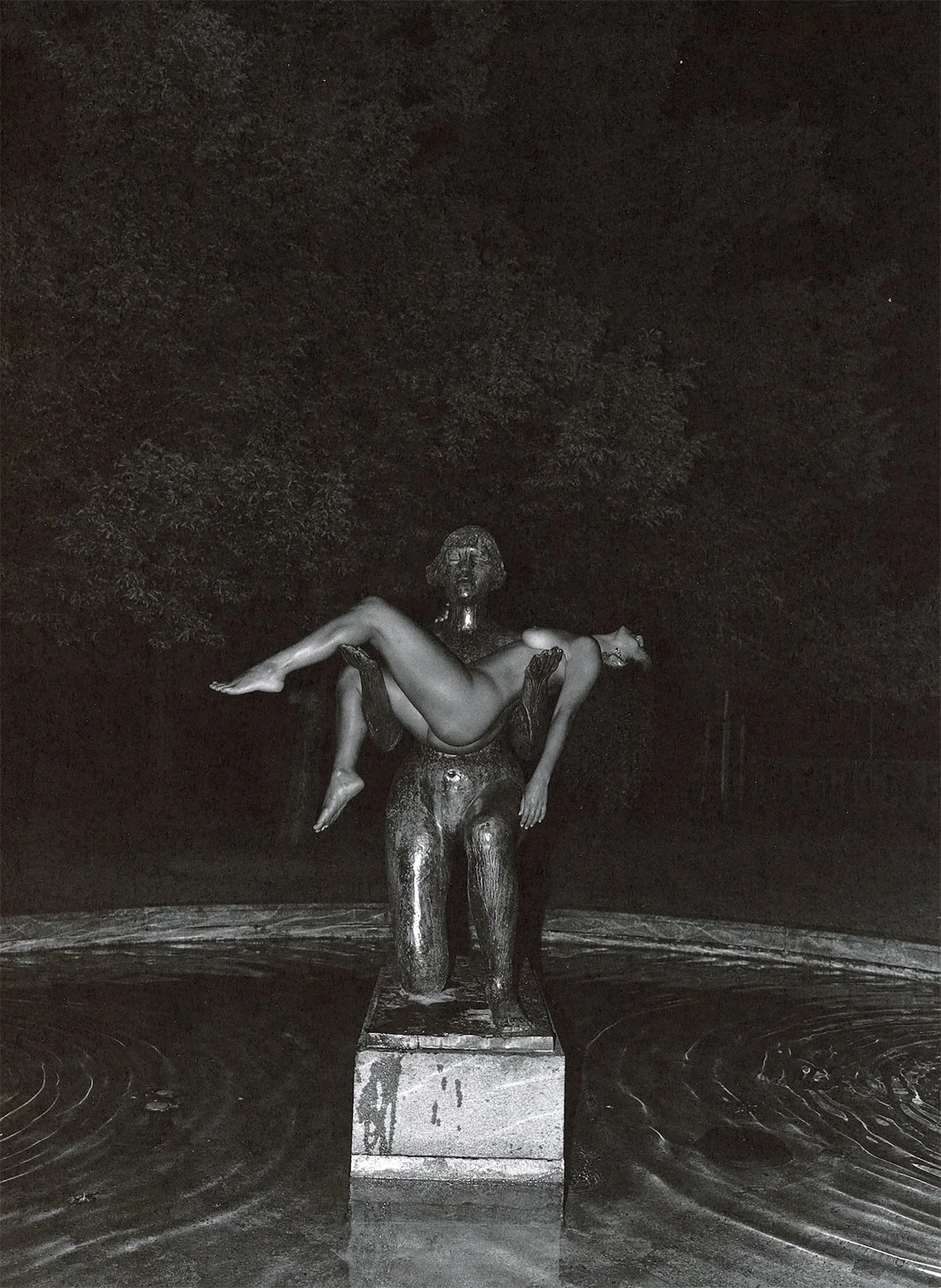
Yumna Al-Arashi
Let me in, 2024
Series of 16 photographs
21 x 29.7 cm each / 8-1/4 x 11-11/16 inches
Edition of 2 plus 1AP
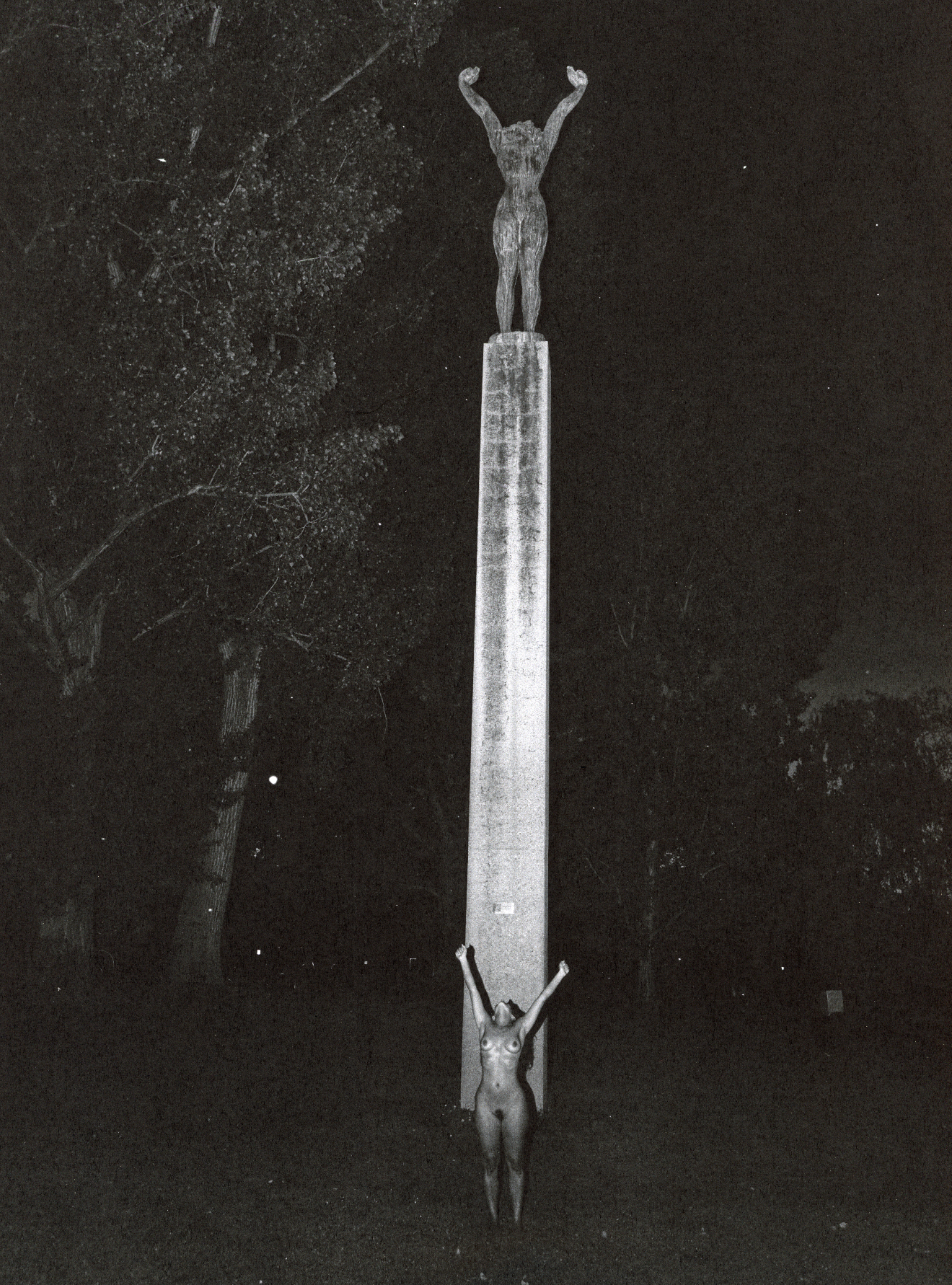
Yumna Al-Arashi
Let me in, 2024
Series of 16 photographs
21 x 29.7 cm each / 8-1/4 x 11-11/16 inches
Edition of 2 plus 1AP
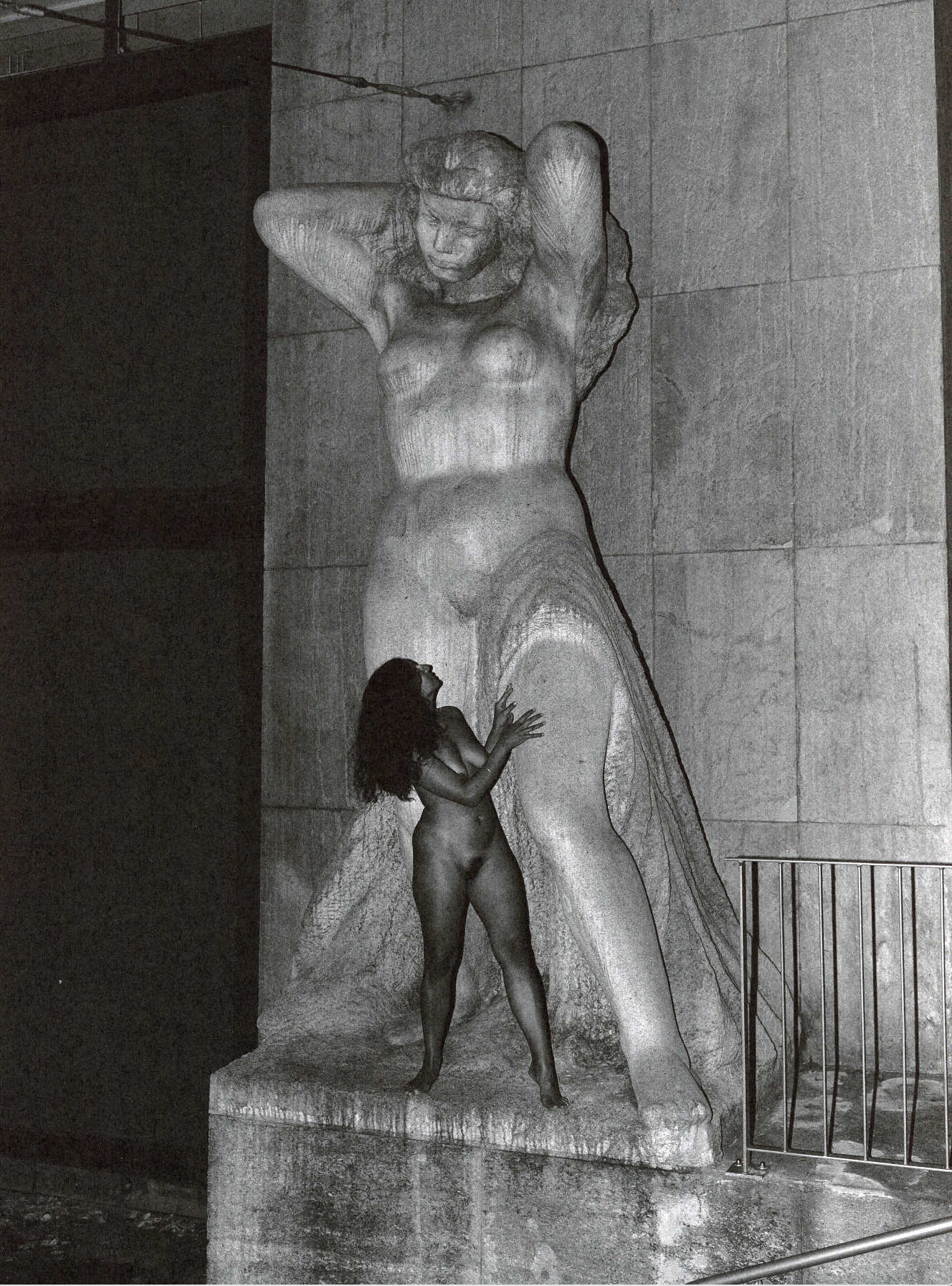
Yumna Al-Arashi
Let me in, 2024
Series of 16 photographs
21 x 29.7 cm each / 8-1/4 x 11-11/16 inches
Edition of 2 plus 1AP
Yumna Al-Arashi (b. 1988, Washington D.C.), a Zurich-based Yemeni-Egyptian-American artist, began her career as a self-taught documentary photographer. Through striking visual compositions, she reclaims lost narratives, challenges colonial legacies and redefines how the Arab world, women and the environment are represented, offering an unflinching yet poetic perspective. For the series Let me in, Al-Arashi photographed herself alongside nude sculptures of women in Zurich, as such not only commenting on her own cultural background, but also addressing the anonymity of these female sculptures.
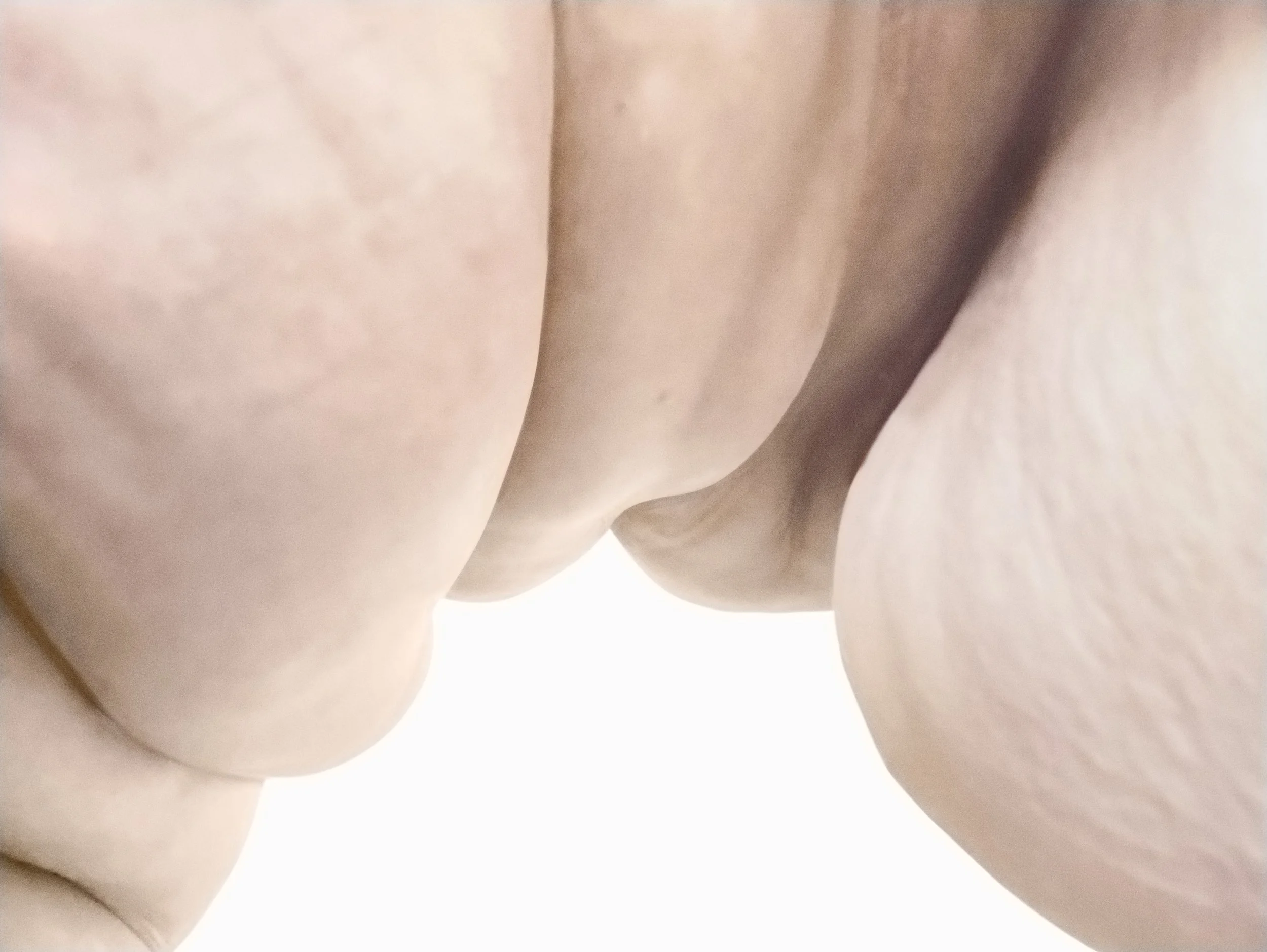
Polly Borland
Nudie, 2021
Epson matt print
Ed 3/3
102 x 136cm / 40 x 53 inches
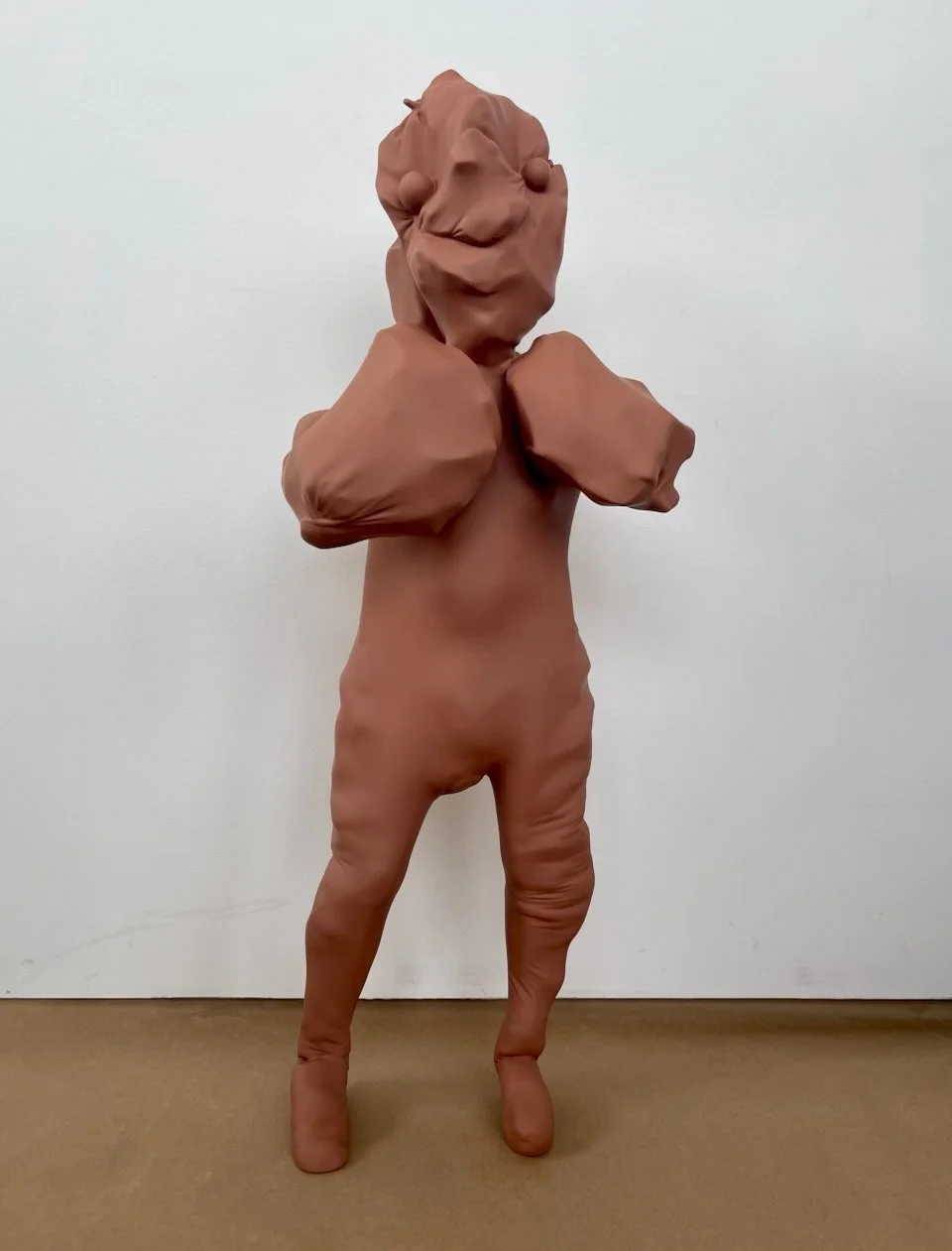
Polly Borland
Big Tits, 2025
Painted aluminum
60cm, ø22cm / 2’, ø11/16 inches
Ed. of 3
Polly Borland (b. 1959, Melbourne, AU) is known for her psychologically charged portraiture and documentary photography. Her latest series marks a shift into sculptural form, continuing her exploration of the human body as a site of discomfort, vulnerability and transformation. Through uncanny figurative distortion, she investigates the relationship between identity and the body, pulling it apart to reveal a current of fluidity. Working with live models, she uses materials such as foam, nylon and rubber bands to compress and distort the human form into unfamiliar configurations. These intuitive constructions are scanned in 3D immediately and cast in situ, preserving them in the moment of their creation. The resulting sculptures evoke a literal sense of cocooning, shielding the body as it rests in a raw, unmediated state.
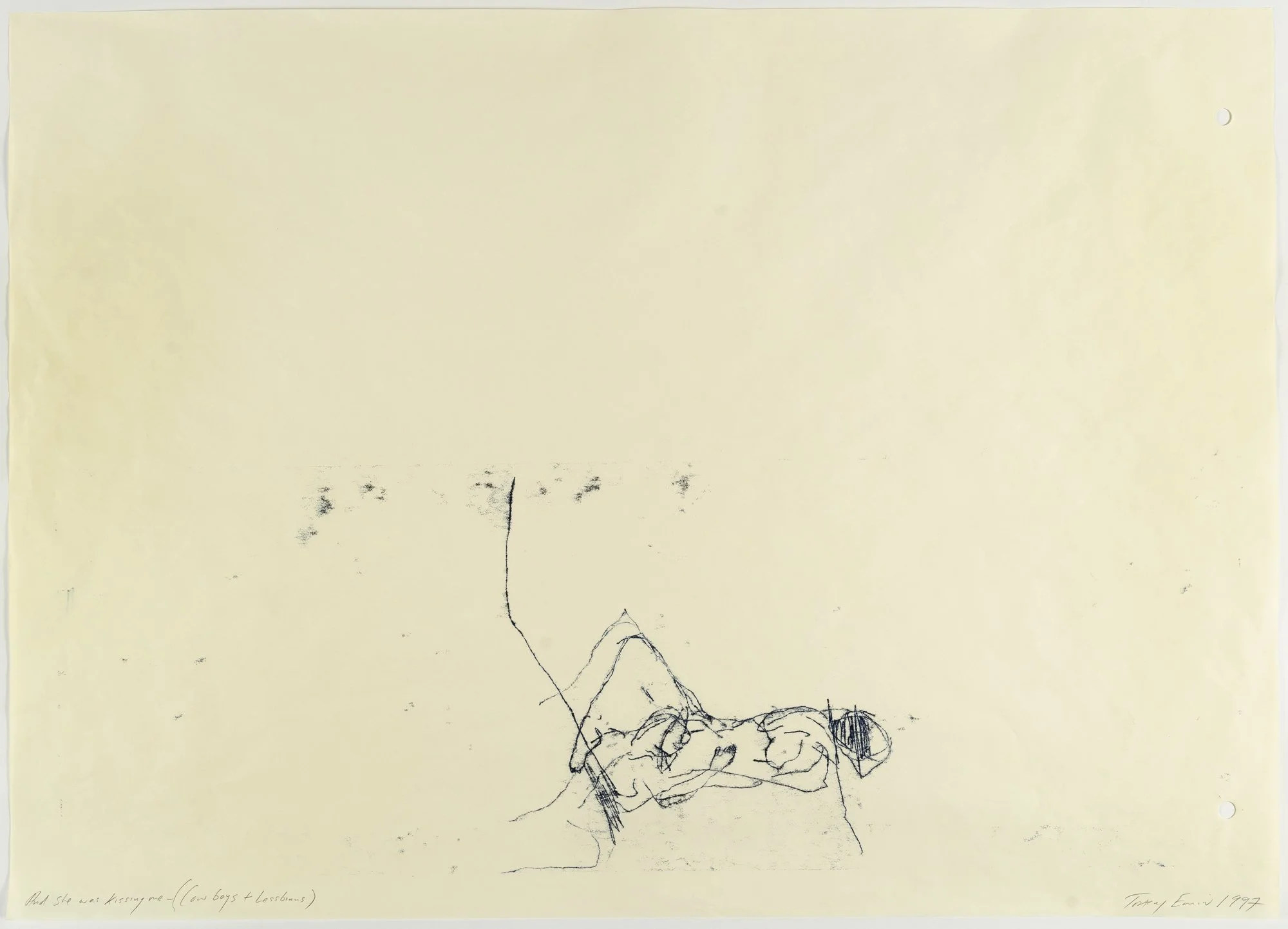
Tracey Emin
And She Was Kissing Me (Cowboys and Lesbians), 1997
Monoprint on cream paper
58x81cm
Tracey Emin’s (b. 1963 in Croydon, UK) representation of women is radically autobiographical, confessional, and psychologically charged. She uses painting, sculpture, neon, and installations to candidly depict themes such as female sexuality, trauma, pain, abortion, and vulnerability. Her works, often nude or self-portraits, break with traditional ideals of beauty and show the female body as fragmented, vulnerable, or intimate. The immediacy and often sexually provocative attitude firmly locates her oeuvre within the tradition of feminist discourse.
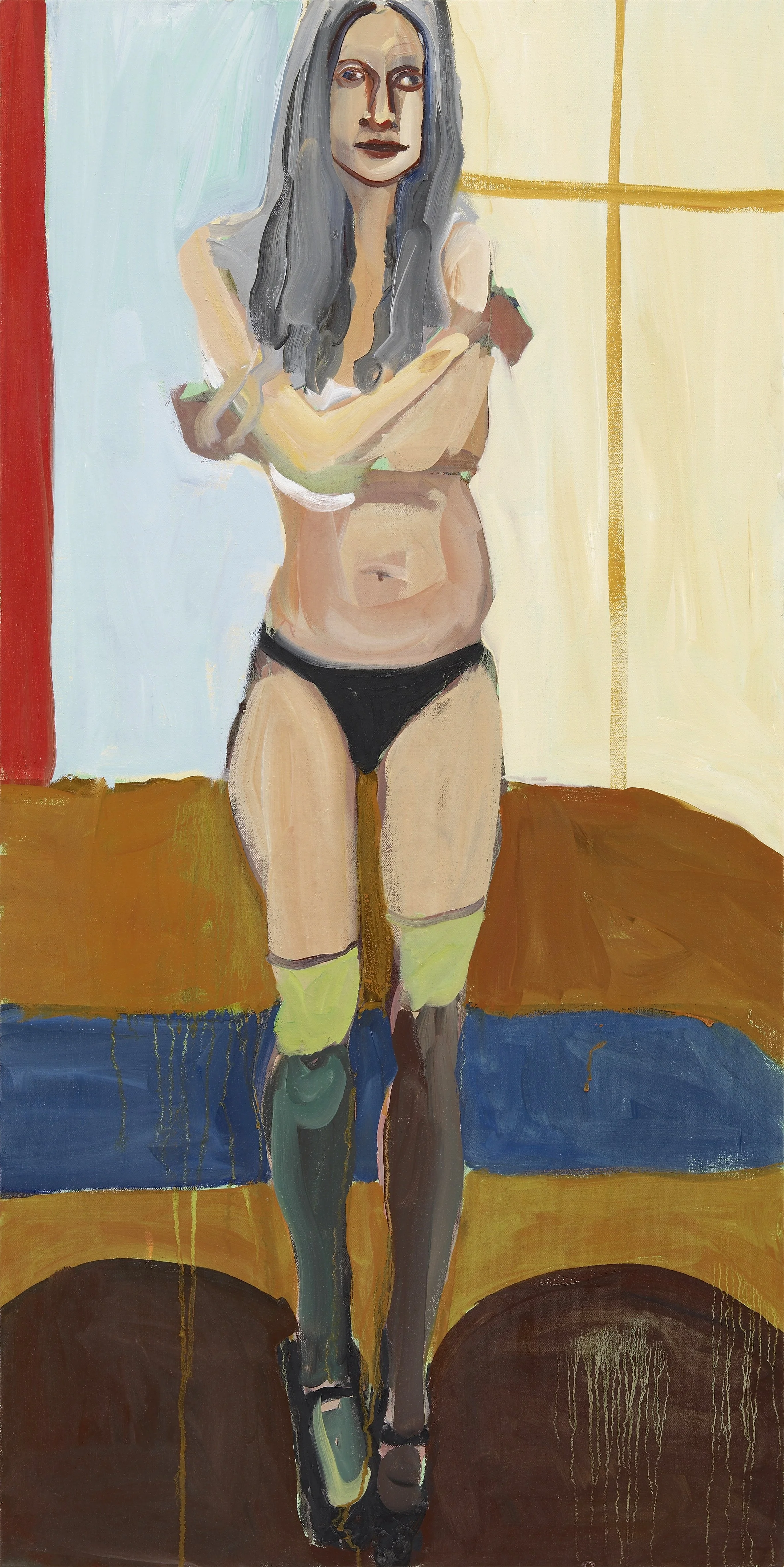
Chantal Joffe
Kristen (standing), 2008
Oil on canvas
122 x 61cm / 48 x 24 inches
Courtesy Private Collection, Switzerland
Throughout her career, Chantal Joffe's (b. 1969,UK) primary focus has been on the women and children in her life, captured at various stages of their lives. The evolving relationship between mothers and children has been a significant theme, while self-portraiture remains one of the cornerstones of her art. Defined by clarity, honesty and empathetic warmth, Joffe's work resonates with our awareness as observers and observed beings. Her style is bold and expressive yet always questioning, nuanced and emotionally rich. Her works draw our attention to the endless intricacies of bodily expression and the myriad ways in which we reveal ourselves and communicate emotion, whether consciously or not, even in the most private of moments.
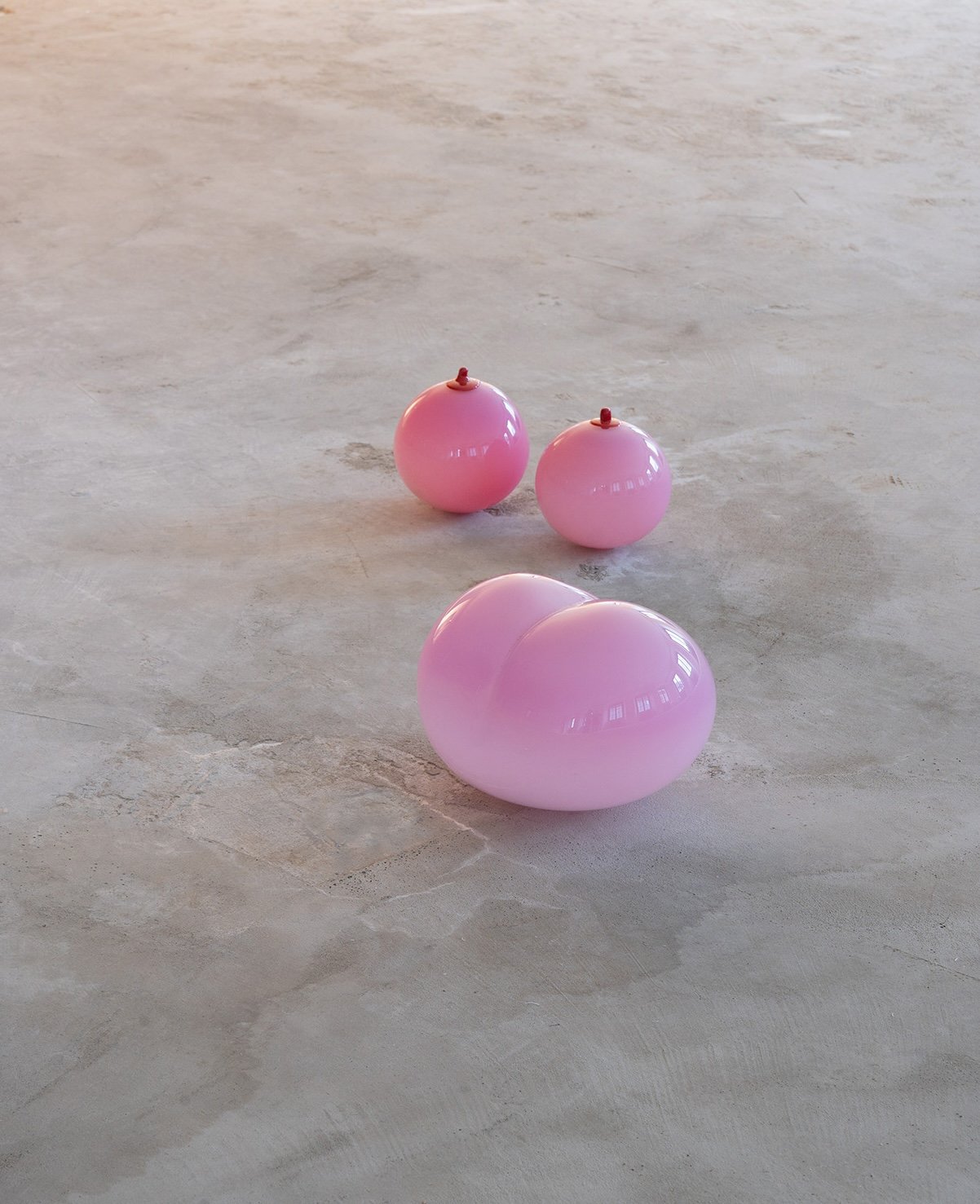
Christine Lederer
Zwei schöne Busen 2022
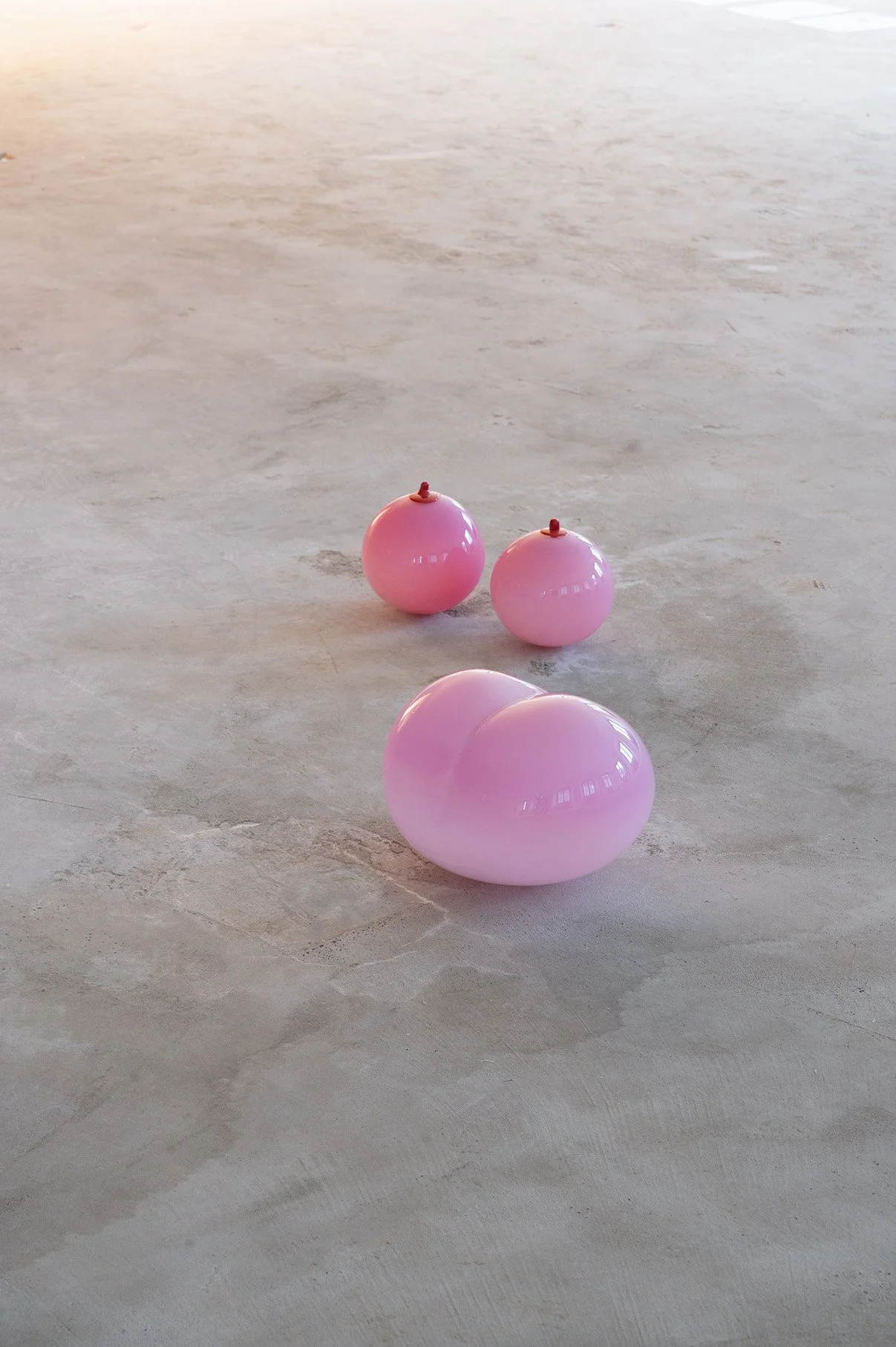
Hand blown glass, 2 parts
20 cm high, ø 17 cm / 7-7/8 high, ø 6-11/16 inches
19 cm high, ø 15 cm / 7-1/2 high, ø 5-7/8 inches
Ein schöner Hintern, 2022
Hand blown glass
34x30x23 cm / 13-2/5x11-4/5x9 inches
1 + 1 A.E.
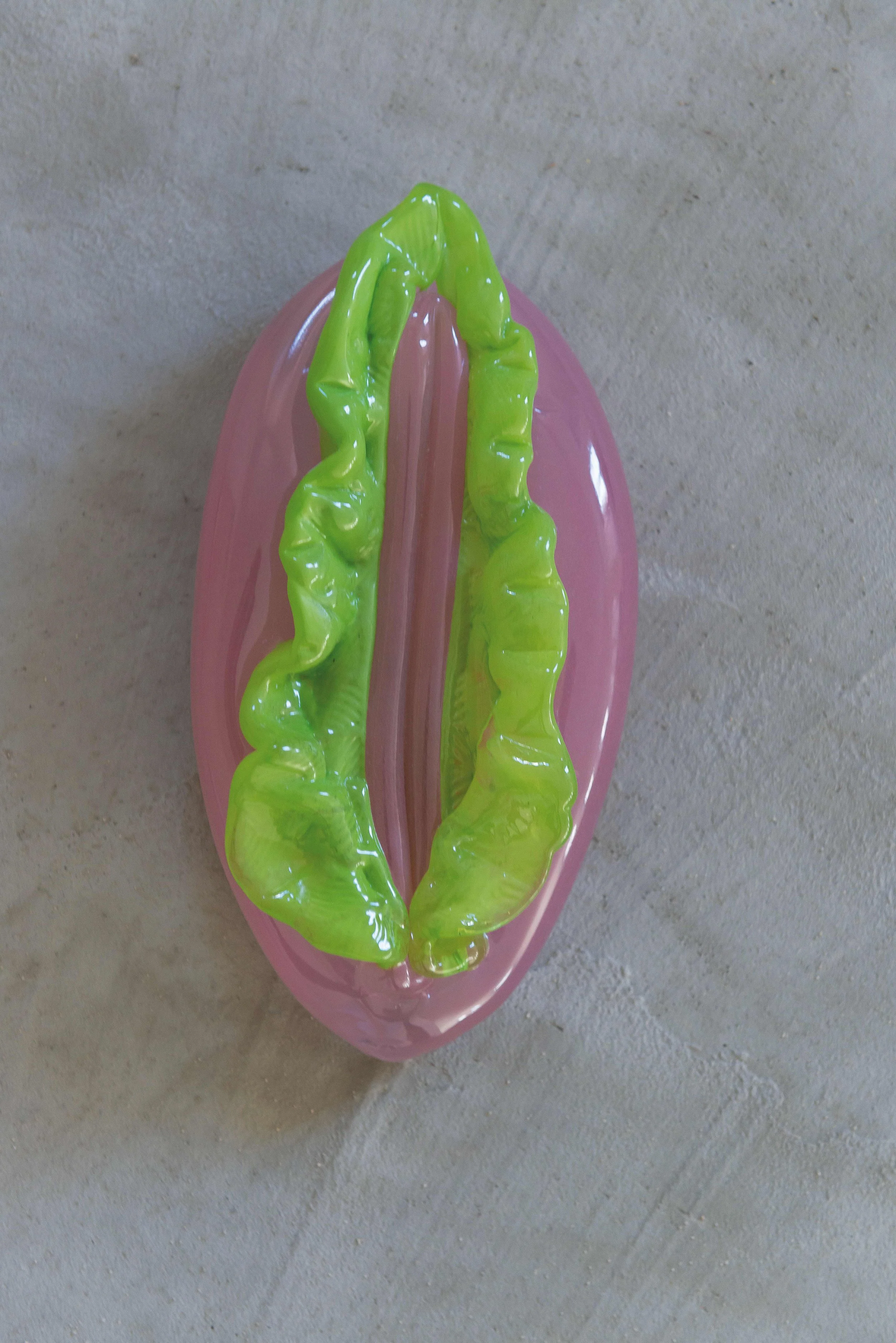
Christine Lederer
Muschi grün, 2022
Hand blown glass
27 x 14 x 6,5 cm / 10-5/8x5-1/2x2-1/2 inches
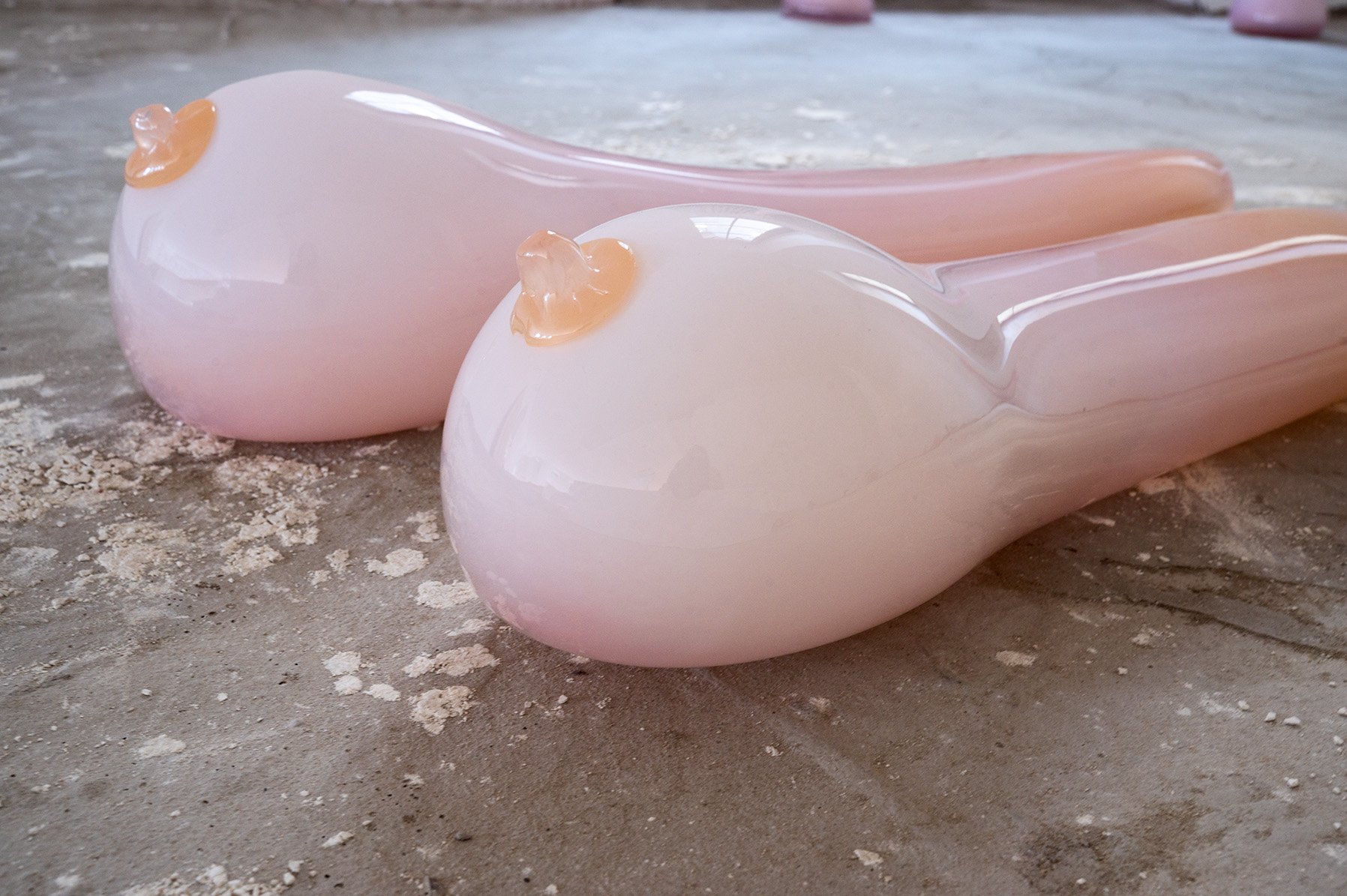
Christine Lederer
Busen hängend, 2022
Hand blown glass
53 x 16 x 14 cm
63 x 16 x 14 cm
Christine Lederer (b. 1976 Bludenz, A) presents a series of glass works that deal with idealized and non-ideal body parts. The artist addresses bodily attributions and, with the help of domestic objects and materials, explores the possibilities of aesthetics, statement, and definition. Her works become idiosyncratic, often humorous monuments in which language itself becomes a revealing principle. Lederer poetically and ironically combines the fragility of glass as a material with precise, socially critical questioning.
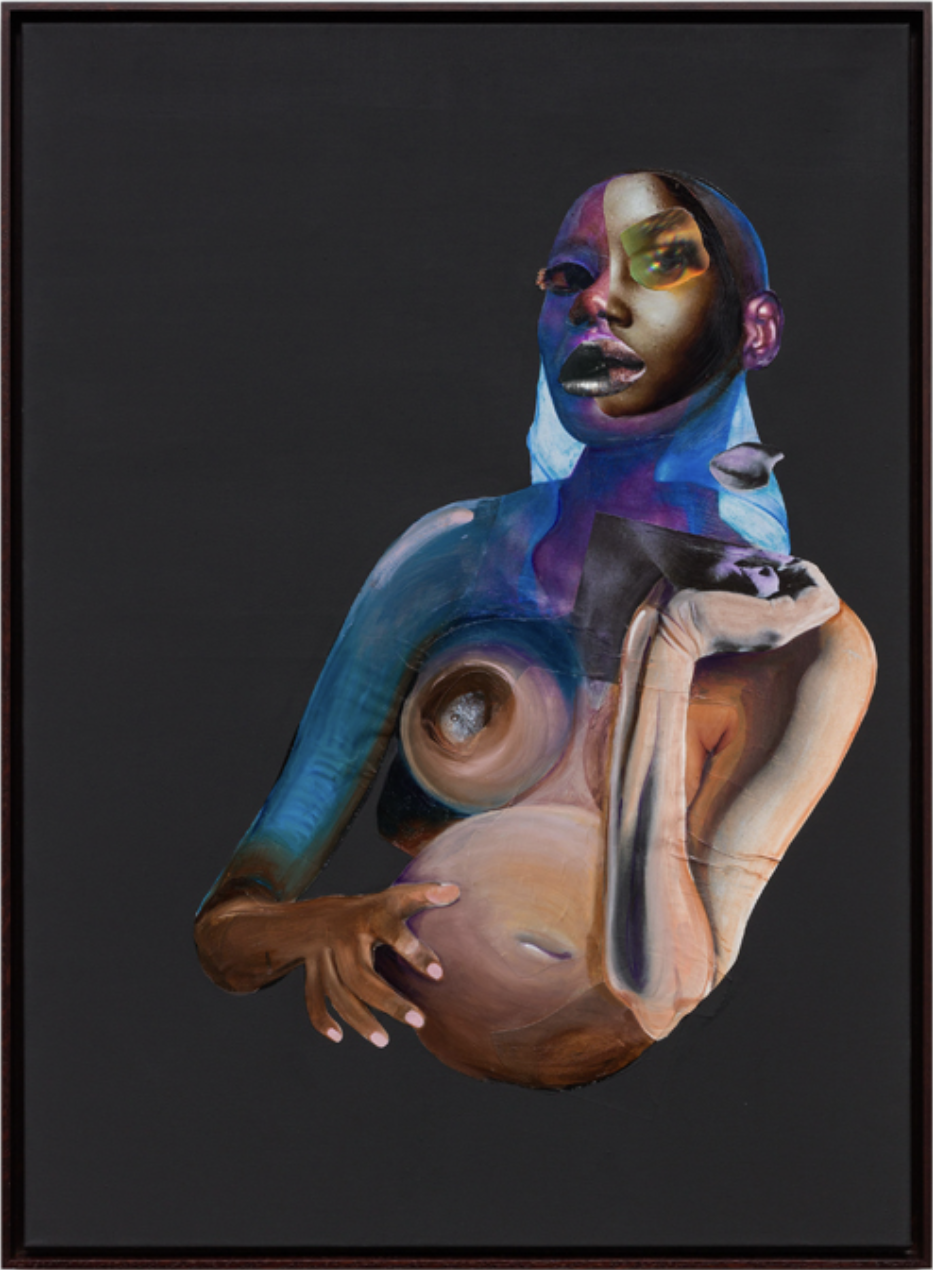
Anys Reimann
Blue Veil (Artemis + Kallisto), 7/2023
Mixed media collage, oil on canvas
110 x 80 cm / 43-3/10 x 31-1/2 inches
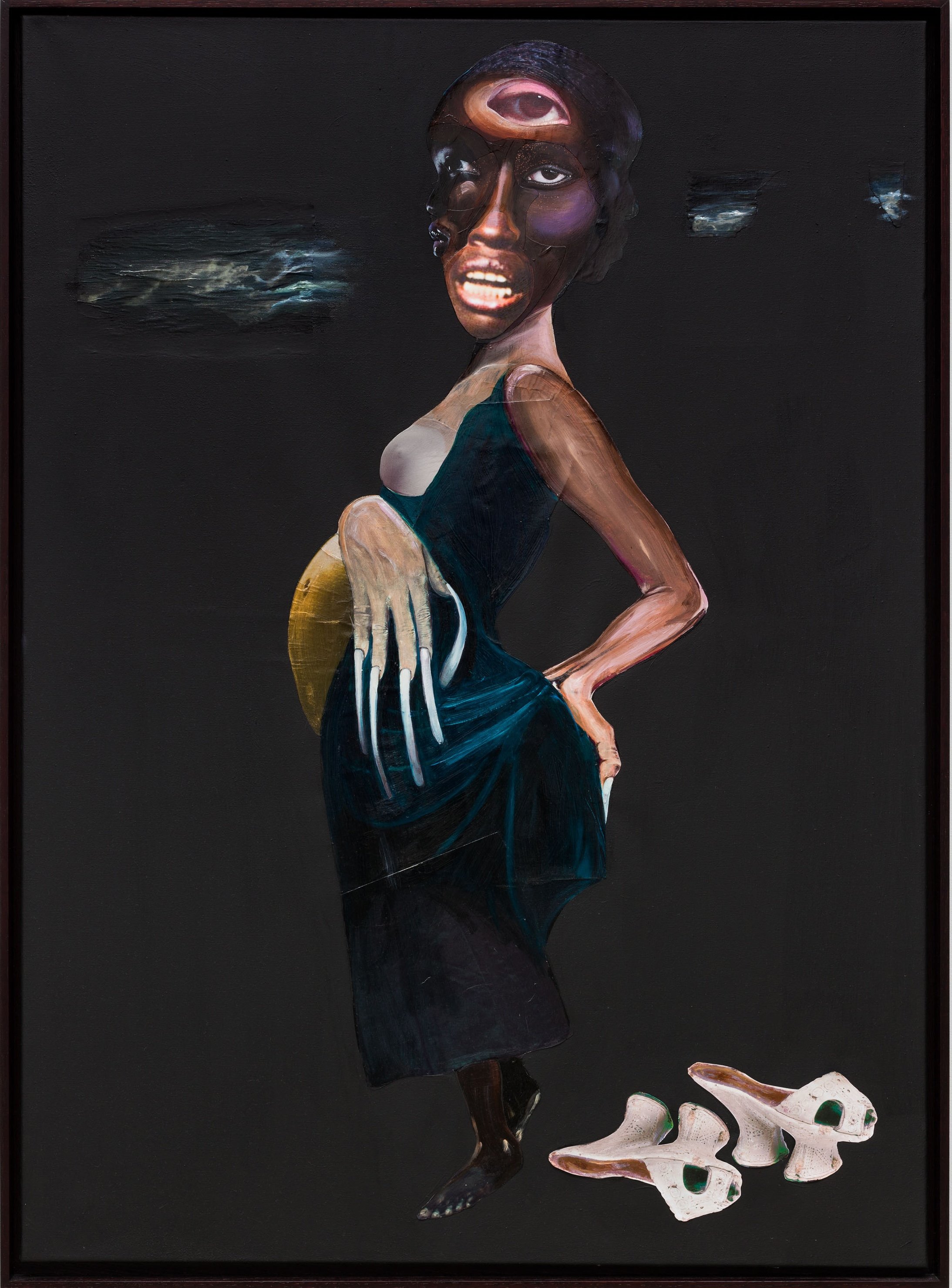
Anys Reimann
Nachtmahr, 2023
Mixed media collage, oil on canvas
110 x 80 cm / 43-3/10 x 31-1/2 inches
Anys Reimann’s (b. 1965, D) works across collage, painting, and sculpture, often simultaneously, building images through layers, suggestions, and superimpositions. Her works sometimes arise intuitively and emotionally, at other times from specific cultural-historical or pop-cultural references—but often through a free, associative process in which emotions and thoughts find physical expression. The resulting multi-layered figures are idiosyncratic pictorial beings: beautiful, vulnerable, strong, ironic, or melancholic, recalling fairy-tale characters, archetypes, or dream images. In Nachtmahr, for example, Reimann drew on the famous work of the same title by Johann Heinrich Füssli, an icon of the so-called Black Romanticism, with which he created an erotically charged formula of pathos for women.
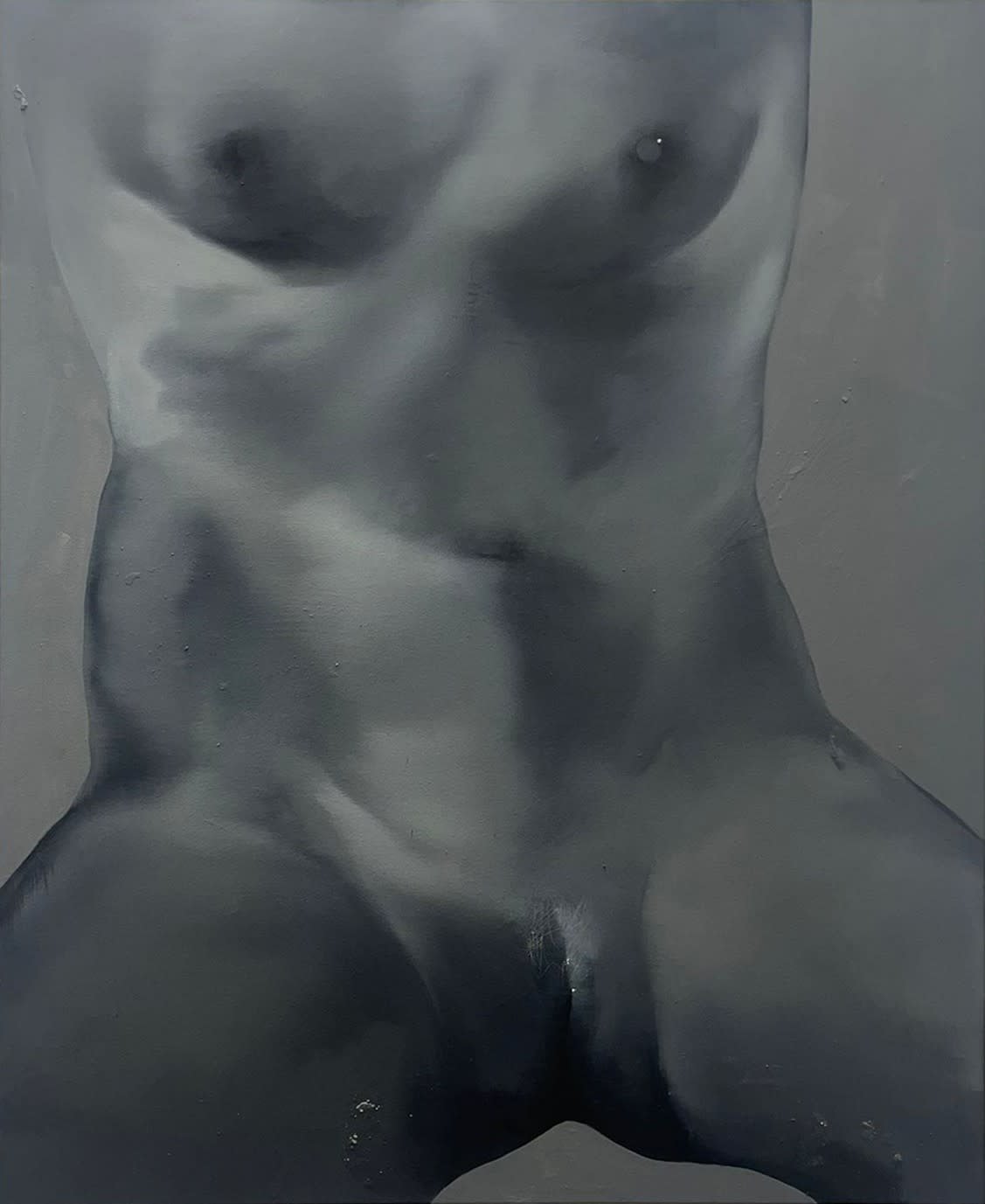
Elsa Rouy
Something is forgotten, 2025
Acrylic and charcoal on canvas
100x80cm / 39-3/8x31-1/2 inches
Elsa Rouy (b. 2000, UK) understands her work as a “visual representation of elusive emotions.” In her semi-biographical works, she consciously pushes boundaries to explore the multifaceted experiences of womanhood. Her figurative canvases depict intimate encounters between bodies that drift apart only to merge again into a single entity. The figures are situated in scenarios that inhabit an uneasy tension between pleasure and suffering. In this way, Rouy addresses the anxieties tied to ownership of and awareness of one’s own body. Her art examines both societal and internal power structures and their complex dynamics.
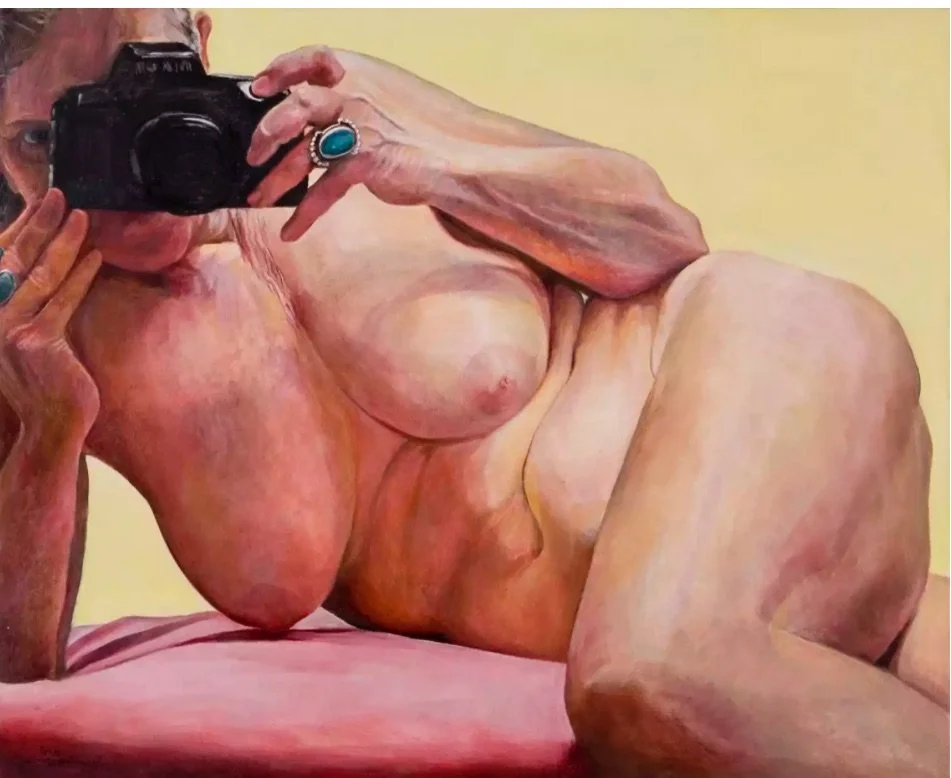
Joan Semmel
Pink Cushion, 2004
Oil on canvas
111.76x137.16 cm / 44x54 in
Courtesy Private Collection, Switzerland
Joan Semmel’s (b. 1932, New York) work invites viewers to reconsider the ways in which women’s bodies are perceived and represented in art, in society, and in contemporary culture. Says the artist: “Reimagining the nude without objectifying the person, using my own body, made it clear that the artist was female and undercut the stereotypes of the male artist and the female muse. I wanted to subvert that tradition from within.”
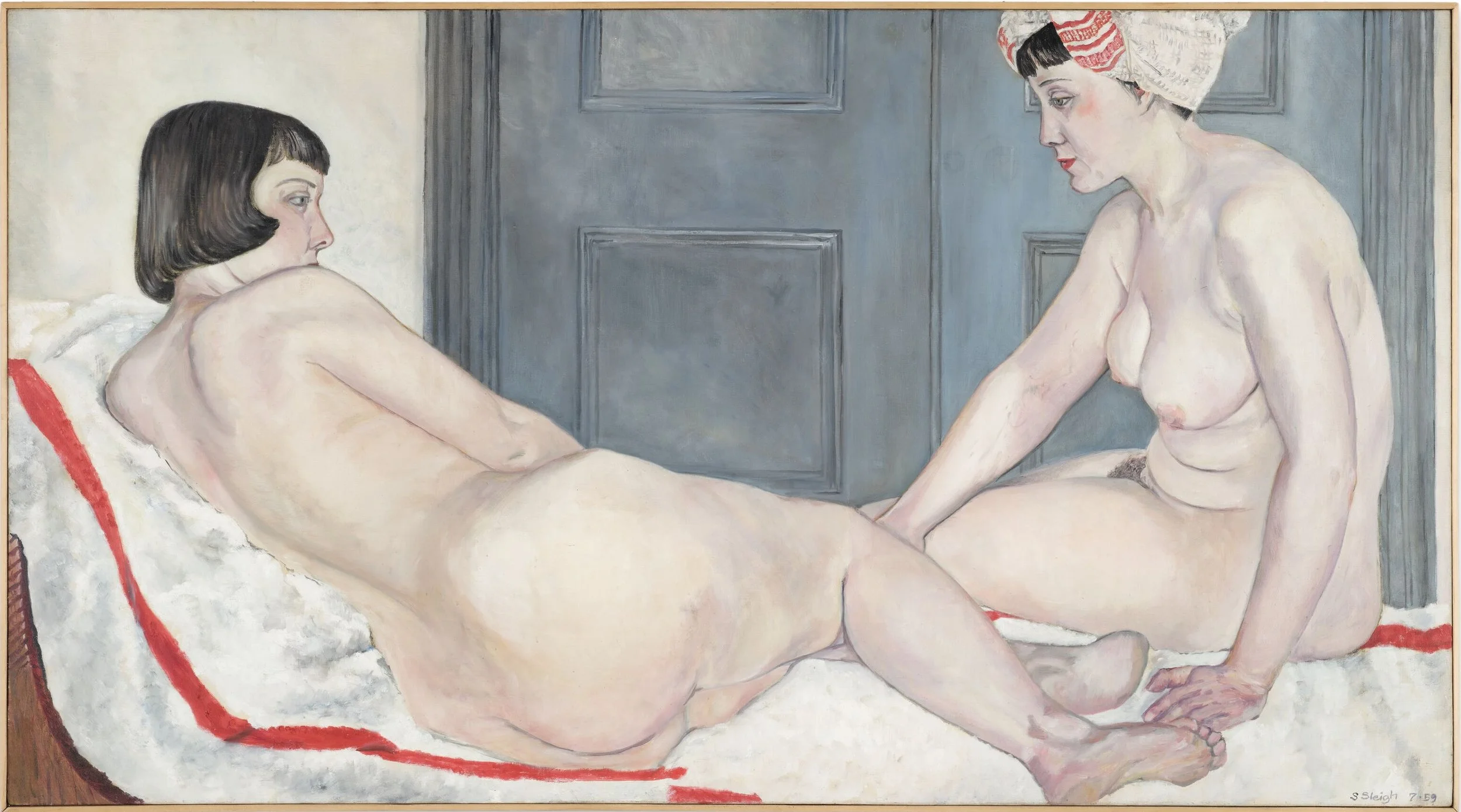
Sylvia Sleigh
At the Turkish Bath, 1959
Oil on canvas83,8x152,4cm / 33x60 inches
Courtesy Ursula Hauser Collection, Switzerland
Sylvia Sleigh’s (b. 1916, Wales, UK) “realist” paintings and drawings offer a re-reading, not to say an aesthetic subversion, of the canons of Western painting, with particular reference to the genres of the portrait and nude. For At the Turkish Bath, Sleigh's renders an earlier Turkish Bath painting by Jean Auguste Dominique Ingres, depicting the women with modern hairstyles or make up and portraying the scene as one of comfortable same-sex intimacy.
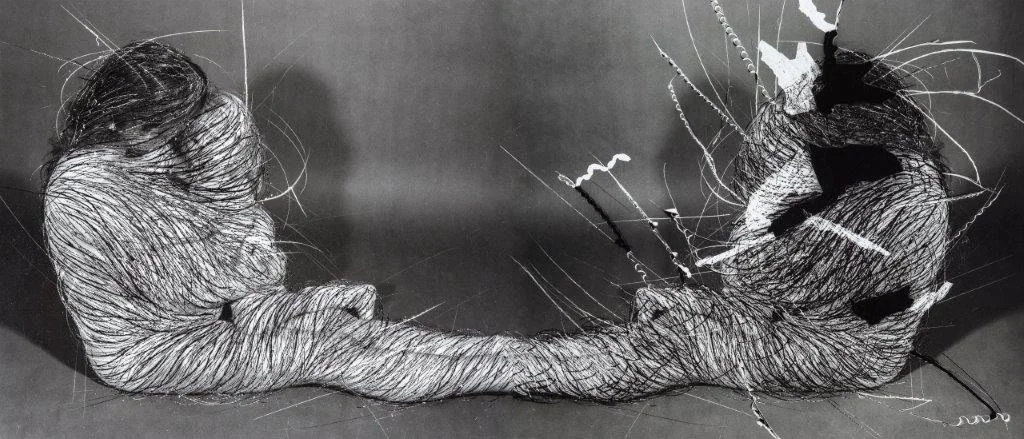
Annegret Soltau
Im Gleichgewicht doppelt, 1980/2015
Vintage print on Baryt paper
49,5x112 cm / 19-1/2x44 inches
Ed. 3/5
Since the beginning of her career in the 1970s, Annegret Soltau (b. 1946 Lüneburg, D) has championed an experimental approach to art, challenging the conventional notions of representation through performance, photography and collage. While the focus of Soltau’s work never ventures far from the female body and its bodily processes, always departing from a private performance and photos of herself, at the heart of her practice is an inexhaustible search for identity and meaning.
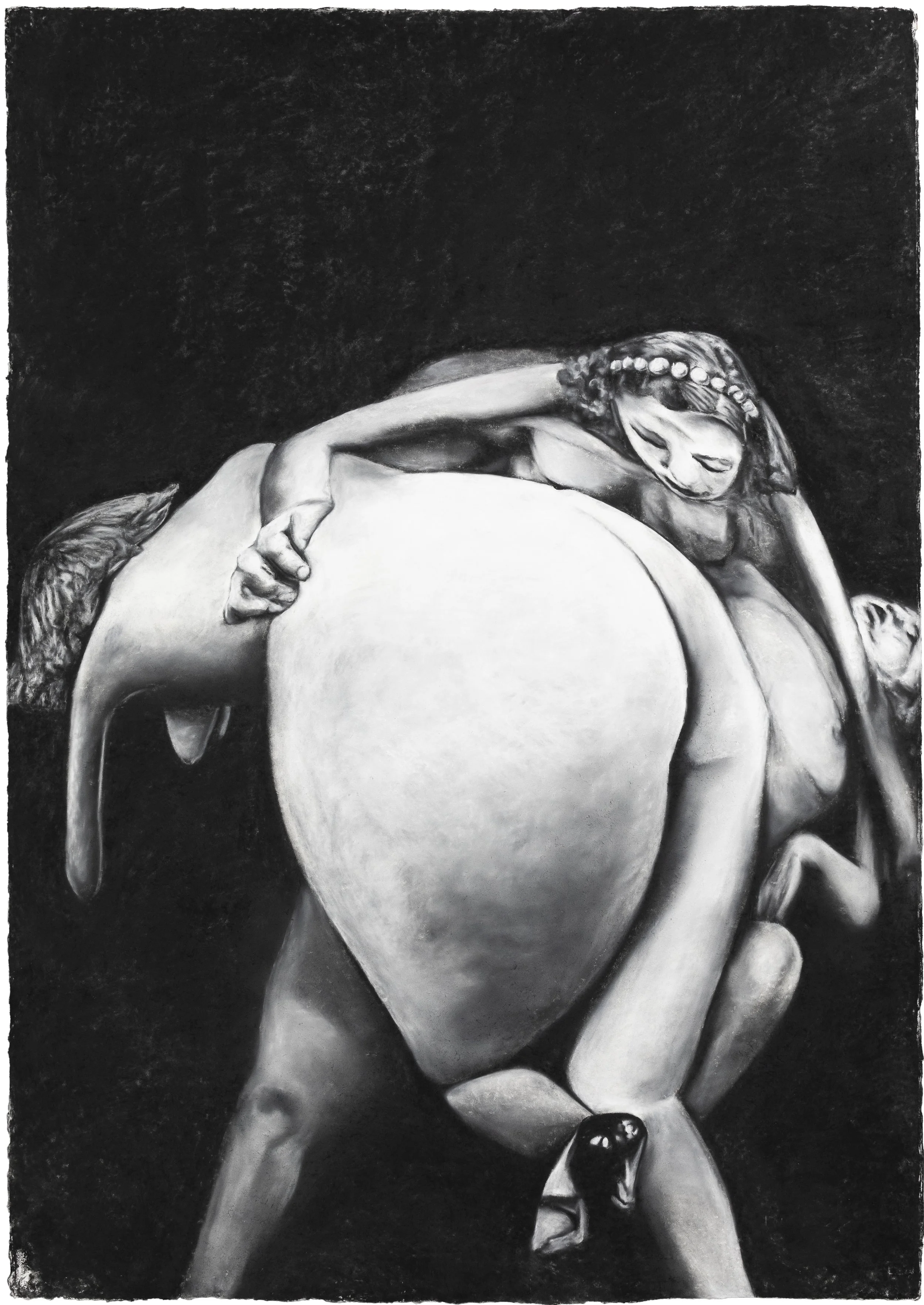
Michaela Spiegel
Give me more of that male gaze 2, 2023
Pastel on paper
210x150 cm / 62-5/8x59 inches
Michaela Spiegel (b. 1963, Vienna, Austria) deconstructs socially constructed role models of women using a wide variety of media, critically interrogating notions of womanhood and femininity. In her pastel work Give Me More of That Male Gaze, Spiegel uses a black-and-white amateur photograph from the 1940s that she found in a set at an auction and which was intended as erotic memorabilia. By distorting the details, she humorously illustrates how the male gaze shapes perception.