UNA SZEEMANN
Owlscrying
11 September - 17 October 2026
Opening:
10 September 2026
6-8pm
The title of the exhibition, Owlscrying, is a neologism coined by Szeemann, combining the words owl and scrying, and refers to a mode of perception at the threshold between wakefulness and dreaming. The owl, active at night and able to navigate darkness through its extraordinary sense of sight and hearing, has long been associated with inner perception and the ability to recognize things that remain hidden from others. Scrying, by contrast, refers to a form of divination in which looking at an object or surface is believed to reveal inner images, symbols, or impressions. This practice has a long tradition: for centuries, from ancient Egypt and classical Greece through the Middle Ages and Renaissance to the present day, the oracle has embodied the human desire to enter into dialogue with forces that lie beyond the limits of rational comprehension.
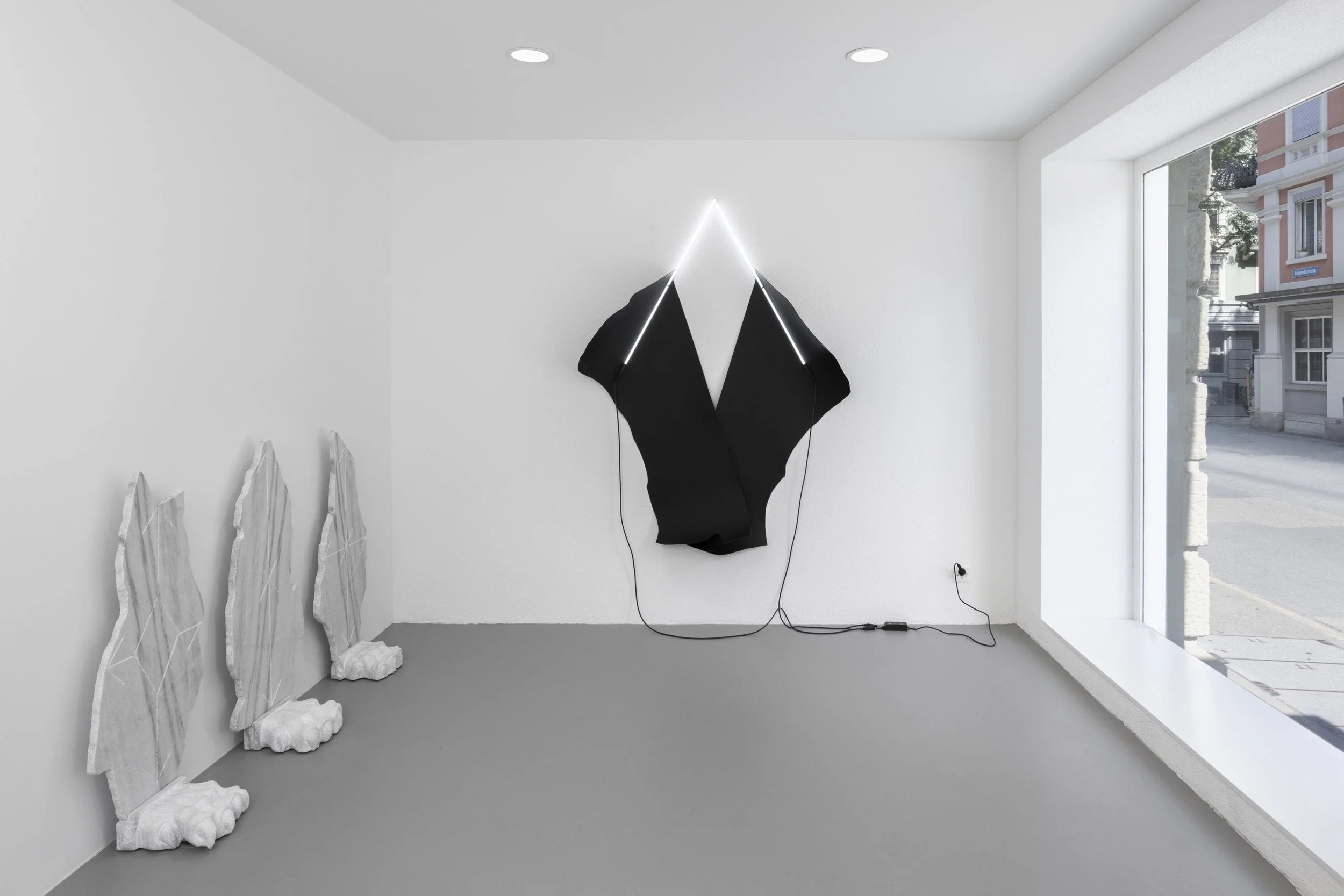
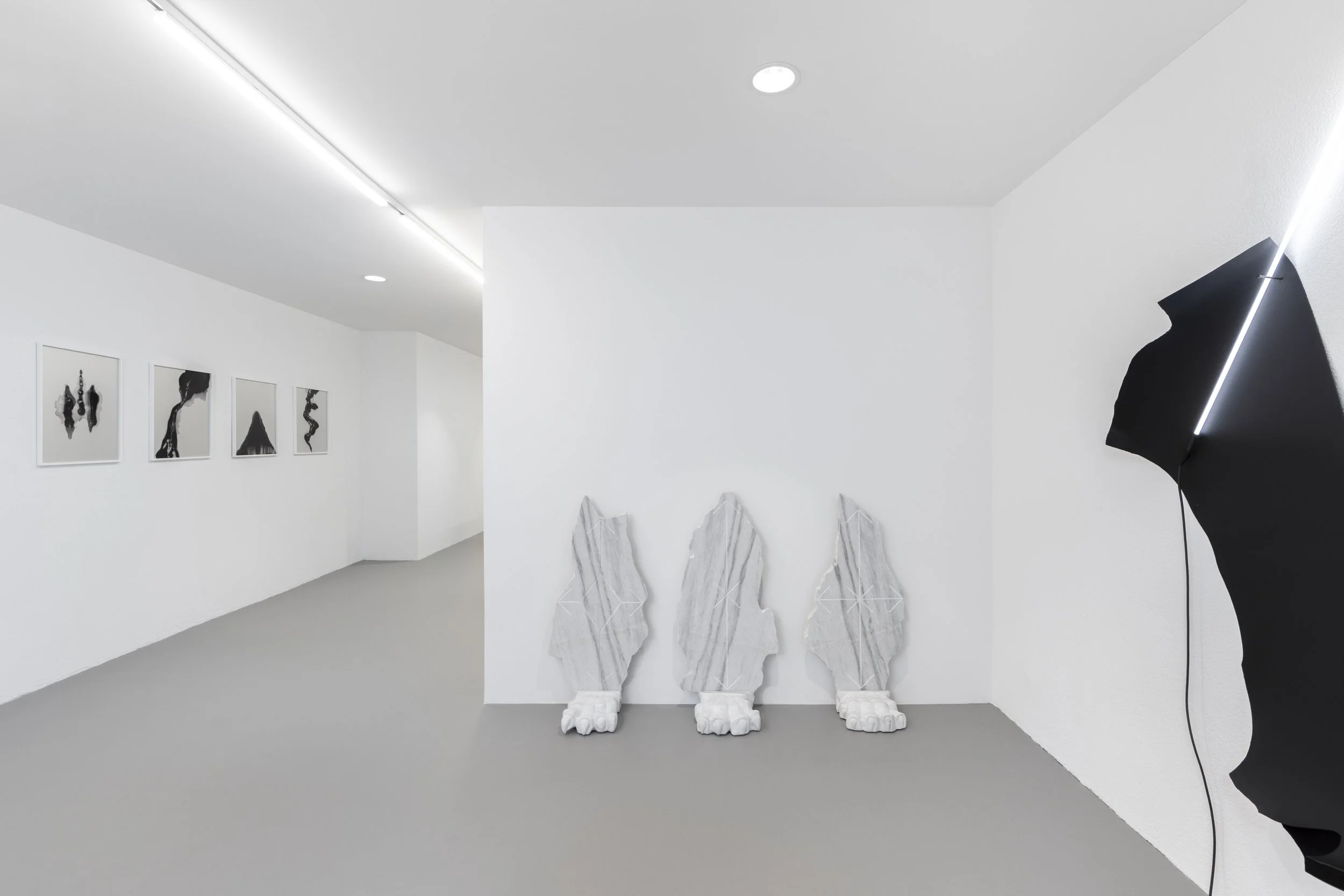
Szeemann does not, however, understand scrying as a source of prophecy, but rather as a metaphor for those threshold states in which intuition, imagination, and latent knowledge become active beyond conscious thought. This is particularly striking in the three marble panels Oracle I, II and III, for which Szeemann drew inspiration from ancient Chinese oracle bones. Each panel rests on lion’s paws, which in turn recall the sacred tripod on which the legendary high priestess Pythia sat in the innermost chamber of the Temple of Apollo at Delphi. According to ancient accounts, she was said to inhale vapors rising from a fissure in the earth in order to enter a trance-like state and become receptive to divine inspiration.
Both the panels and the lion’s paws refer to different traditions of divination. Yet rather than simply reproducing historical objects, Szeemann transforms them into contemporary instruments for engaging with the invisible. The engraved symbols deliberately remain enigmatic: they belong to no existing symbolic language and convey no fixed meanings. Instead, they invite viewers to surrender to uncertainty, imagination, and the play of unlimited possibilities. With the eyes and ears of an owl, the hidden is explored in an individual way; the unconscious becomes a personal compass, opening up new perspectives on one’s own perception and relationship to reality.
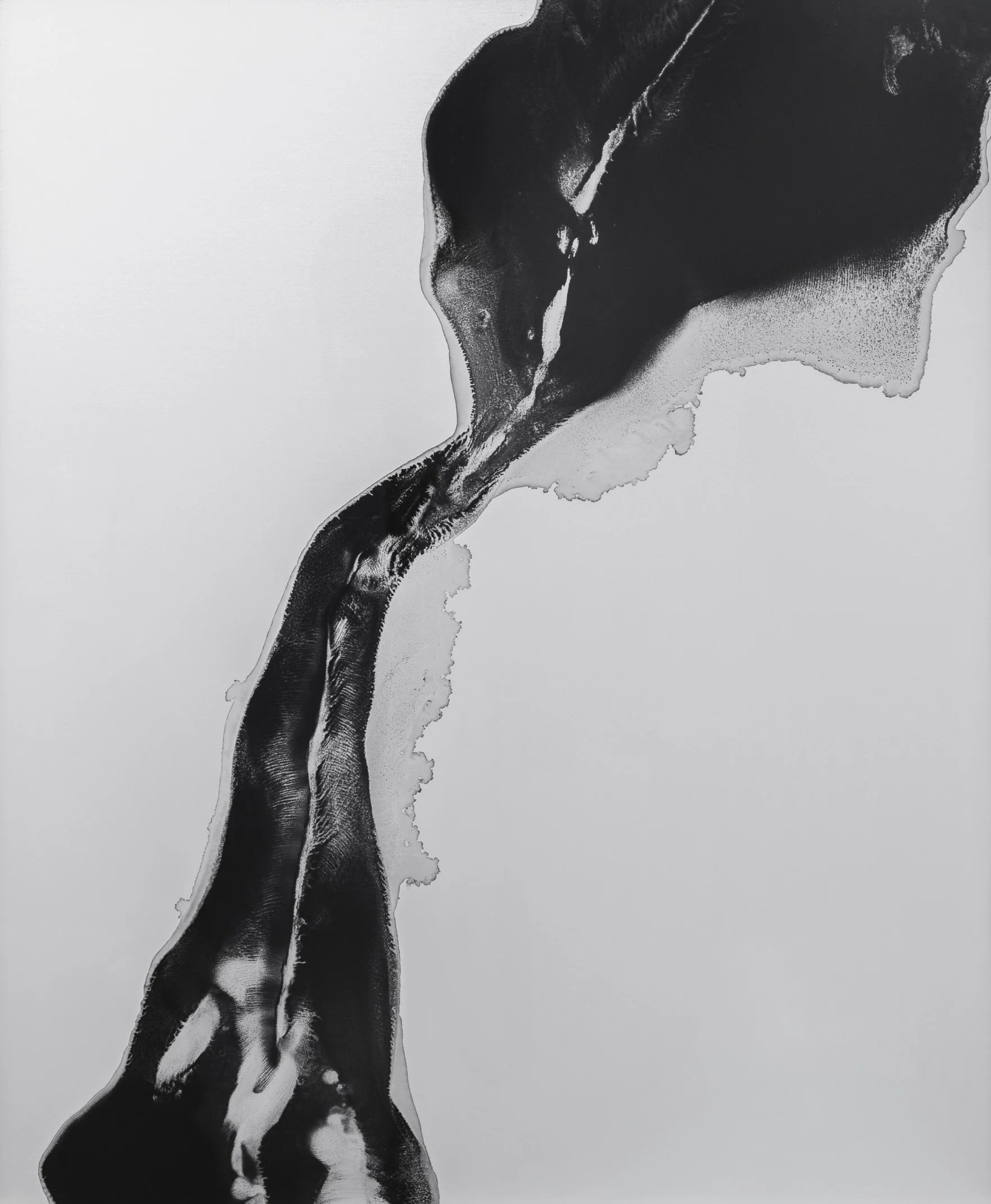
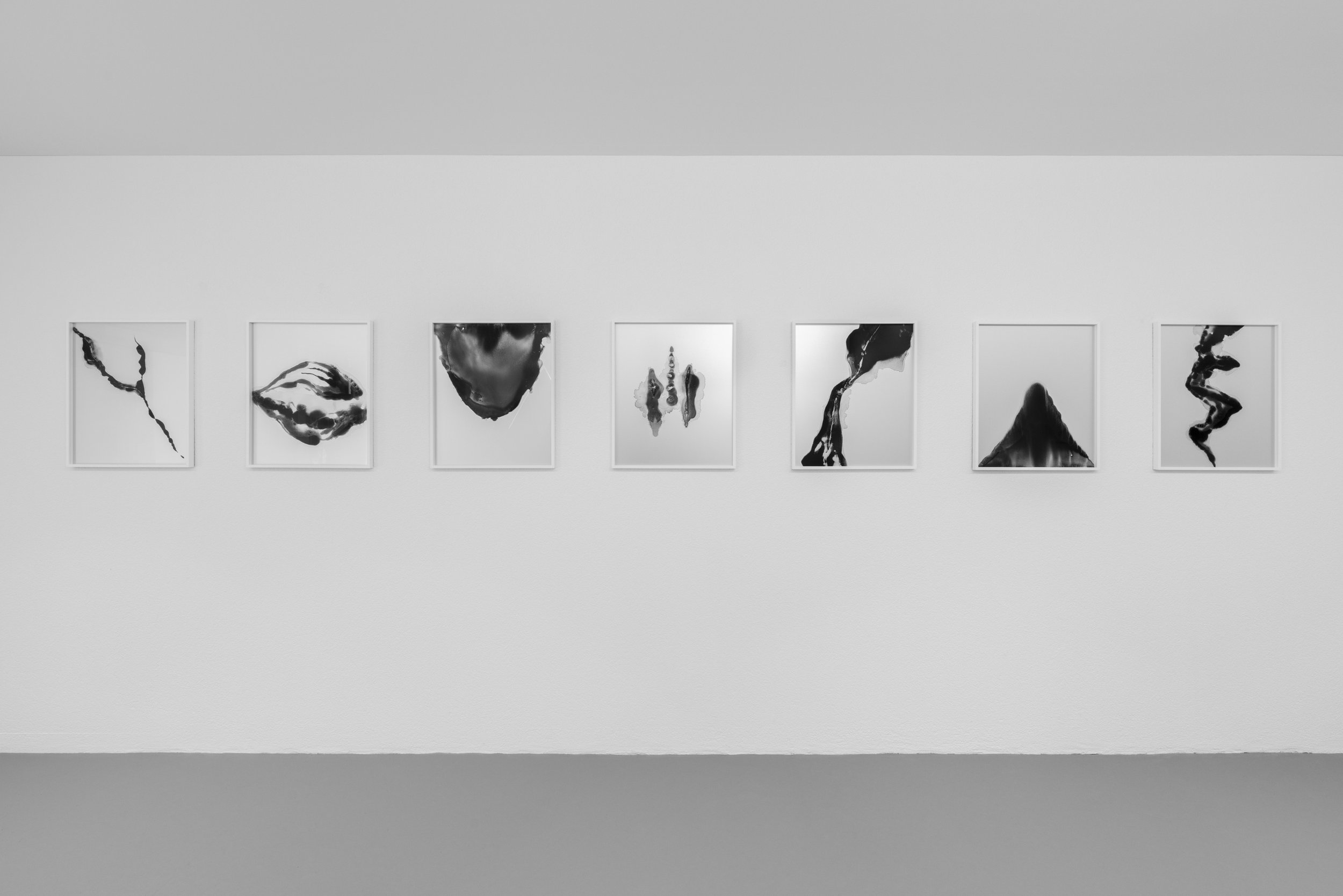
The work series Hypnagogic Psychomorphology likewise engages with the motif of gazing into a crystal ball. For these works, Szeemann mixes toner and isopropyl alcohol on oxidized aluminum, allowing the mixture to spread freely across the surface. The ensuing evaporation process produces unexpected patterns, which are subsequently fixed through heat treatment. The process thus becomes an alchemical exploration of the relationship between intention and chance, while simultaneously recalling scrying: gazing at the cloudy surfaces reveals images, signs, and forms that seem to originate from another world. Oscillating between psychological projection and material manifestation, the works are not concerned with objectively depicting reality, but with the creative emergence of an alternative reality of one’s own.
Szeemann does not use the oracle as a mouthpiece for the future, but as an invitation to shape that future oneself. At its core is a belief in the agency of thought and imagination—the conviction that inner visions, intuition, and desires are not passive forms of escape, but active forces capable of shaping our relationship with the world. In this sense, hope becomes a practice: an opening toward alternative visions of the future and the possibility of change.
References to the unconscious, the dream world, and hypnagogia, as well as to mythology and occultism, run throughout much of Szeemann’s oeuvre. Like the female Surrealists of the twentieth century, she challenges the primacy of an exclusively rational and linear worldview and, in keeping with the power of female imagination, offers an alternative grounded in emotional depth and visionary thinking.
Particularly in a present shaped by geopolitical instability, violence, and uncertainty, Szeemann’s art is a passionate plea for the power and agency of subjective creativity. It makes clear that creation consists not only in bringing new forms into being, but also in making inner realms of experience perceptible—and thereby enabling us to actively counter our collective sense of powerlessness in the face of world events.
On the occasion of the exhibition Owlscrying, an artist talk between Una Szeemann and Madeleine Schuppli, art historian, curator, university lecturer, and author will take place on October 8 at 6:30 pm. The talk is open to the public, followed by a reception.
Una Szeemann’s work will be featured in Re-Imaginings, a solo exhibition at MASI Museo d’arte della Svizzera italiana in Lugano, opening this November. It has also been exhibited in numerous other museums, including the MAN Museo Nuoro, Kunsthaus Zürich, Kunsthalle Winterthur, Kunstverein in Hamburg, Belvedere 21 in Vienna, the Nam June Paik Art Center in Seoul, Kunstmuseum Luzern, the Fundació Joan Miró in Barcelona, the Contemporary Art Center in Vilnius, and the Kunsthalle Wien. She has also exhibited at Manifesta 11, the 5th Busan Biennale in Korea, the 3rd Contour Biennale in Belgium, the 9th Lyon Biennale, and the 52nd Venice Biennale. In addition, she is a lecturer at the Zurich University of the Arts (ZHdK) and previously taught at the Haute École d’Art et de Design in Geneva (HEAD). She has given lectures and workshops at the École cantonale d’art de Lausanne (ECAL), the Faculty of Philosophy at the Università Cattolica Milano, the Academy of Fine Arts in Munich, and the Academy of Fine Arts in Vienna.
Oracle I, II and III were produced by stonemason Michele Buzzi; Hypnagogic Psychomorphology was produced at Hurtega printing with Giuseppe De Giacomi; and Le Benandanti was cast at Bründler Foundry in Winterthur.
Installation Views
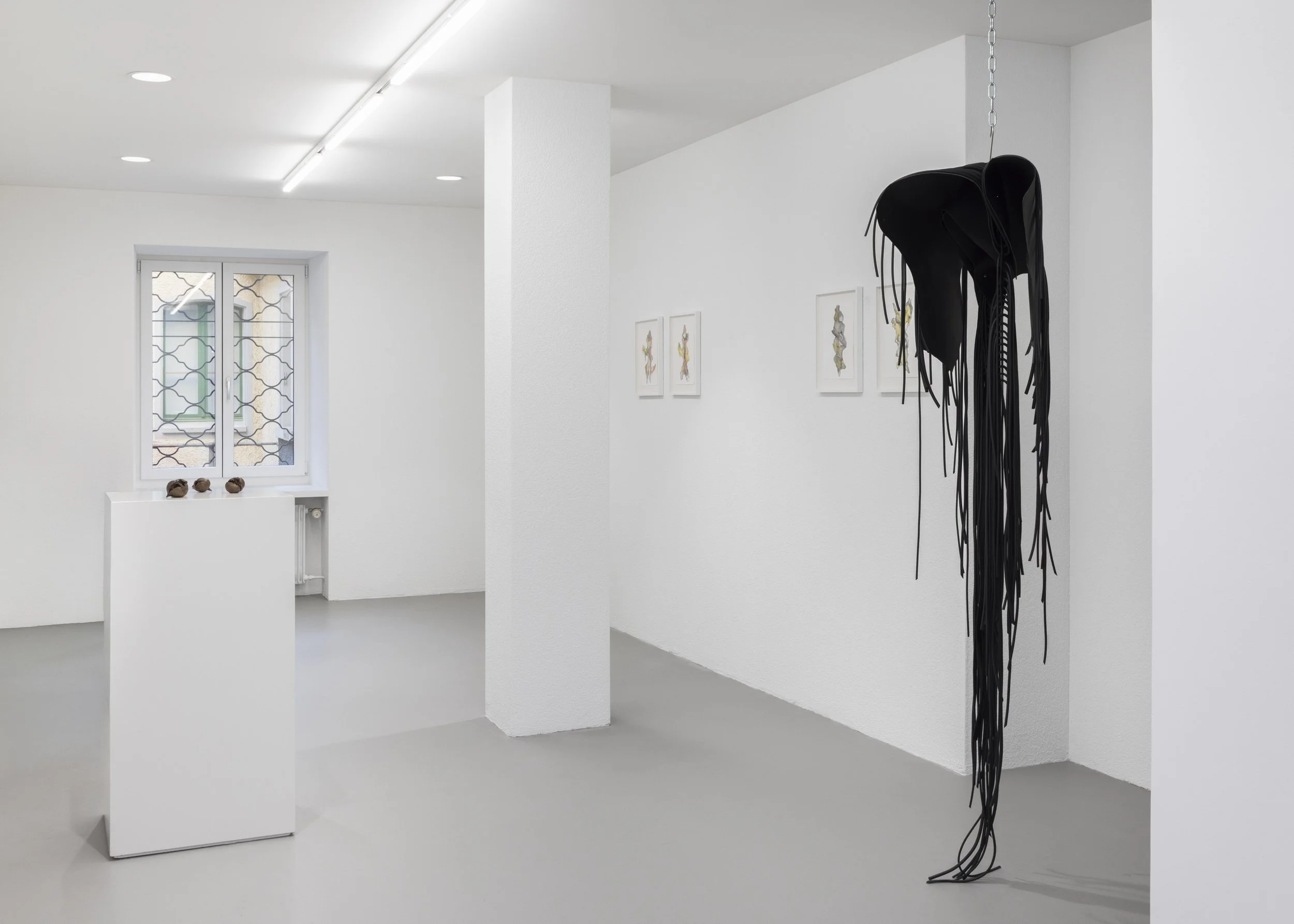
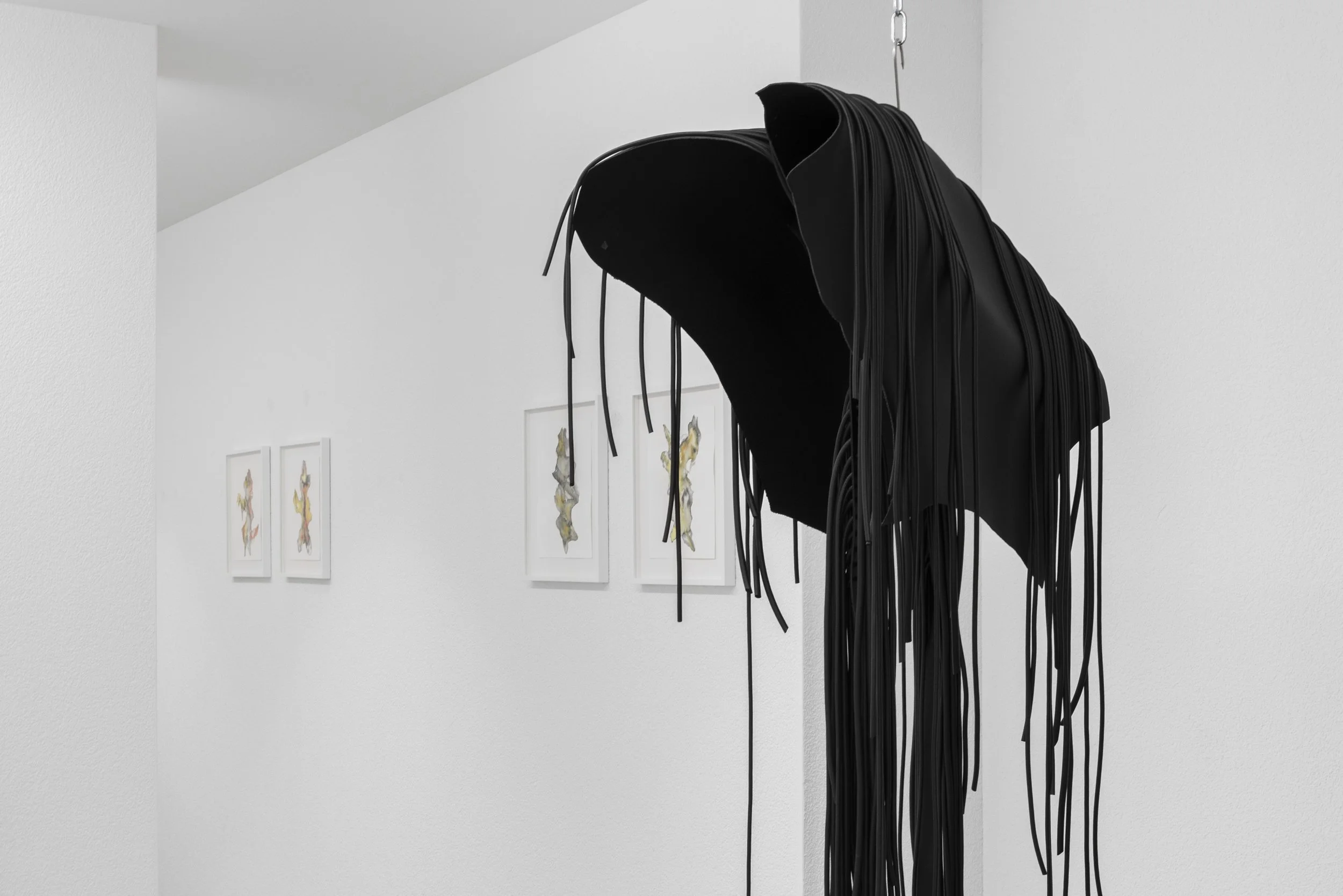
Works
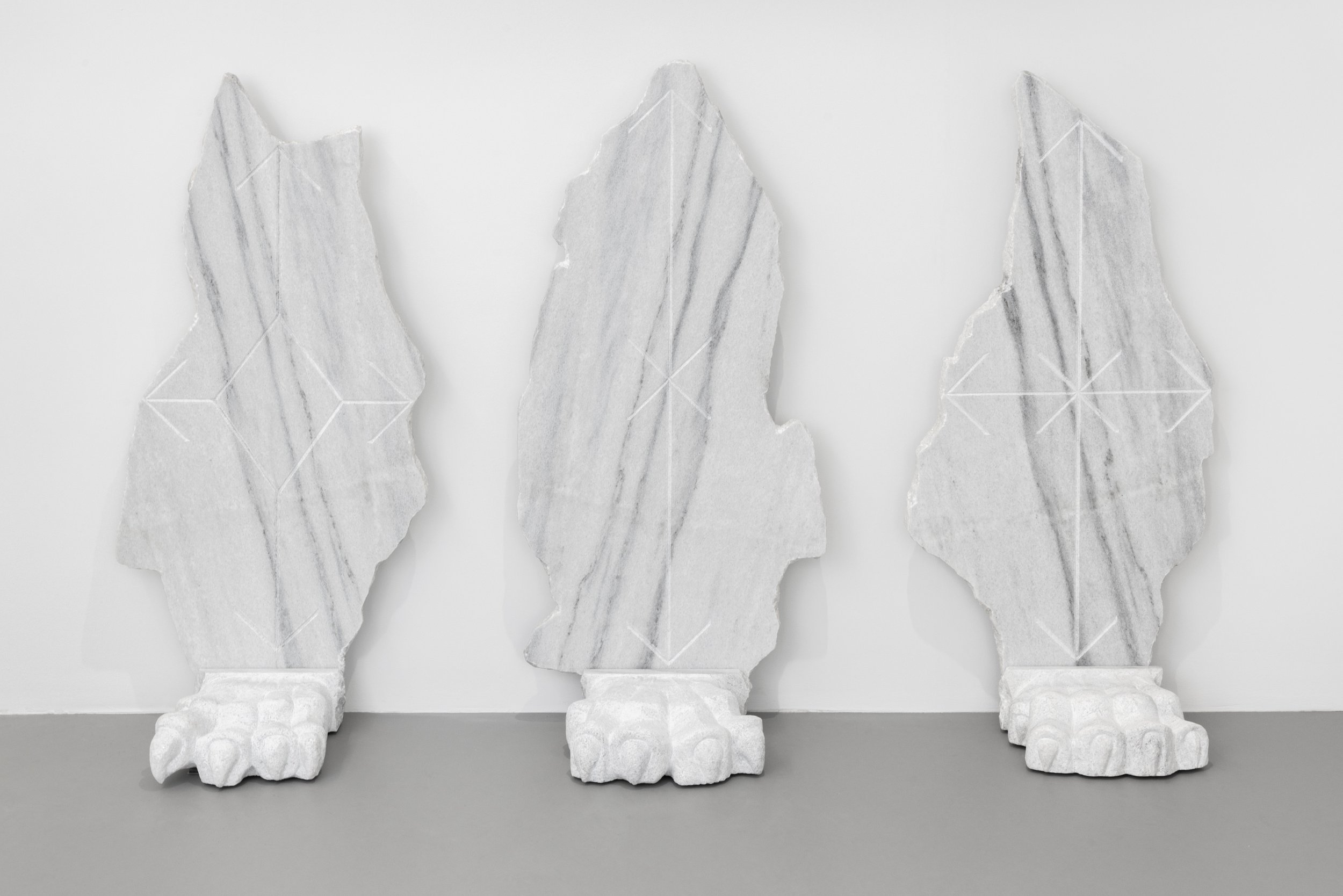
Oracle I, II and III, 2026
Marble with steel support structure
I: 109 × 49 × 29 cm
II: 107 × 49 × 30 cm
III: 107 × 49 × 29 cm
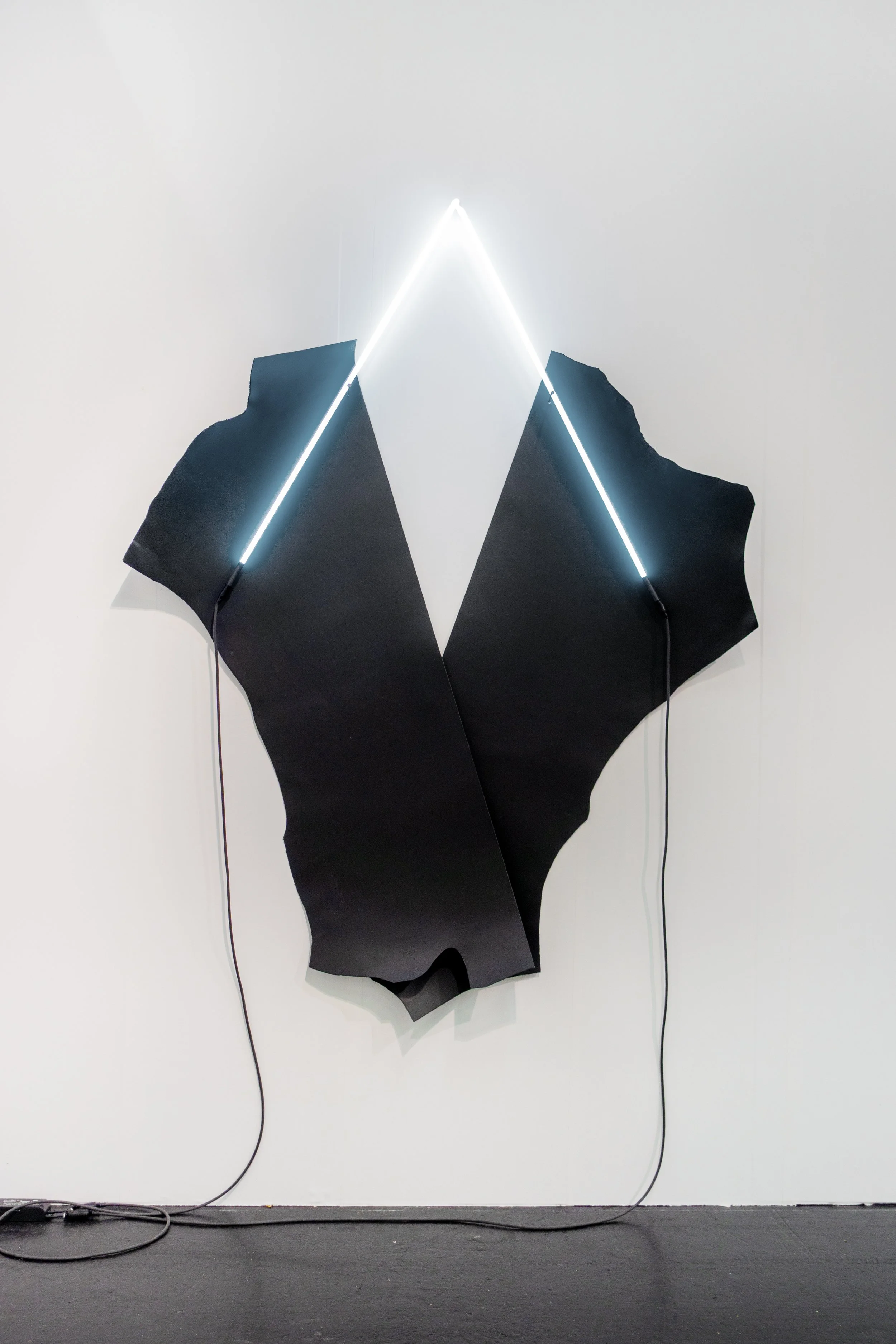
Inverse Evocation, 2025
Leather, neon and metal
180 x 140 cm
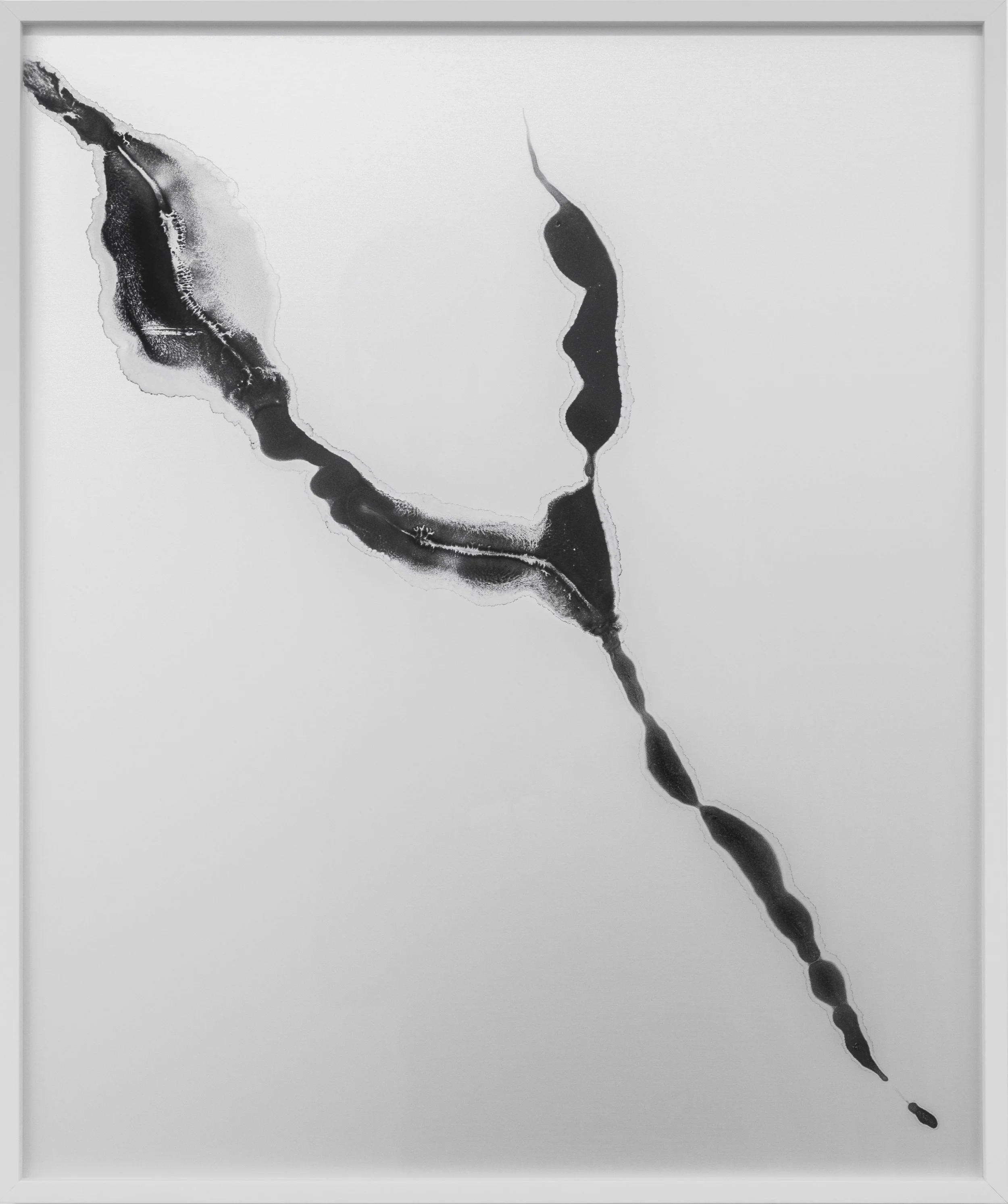
Hypnagogic Psychomorphology I, 2026
Toner on oxidized aluminum panel
60 × 50 cm
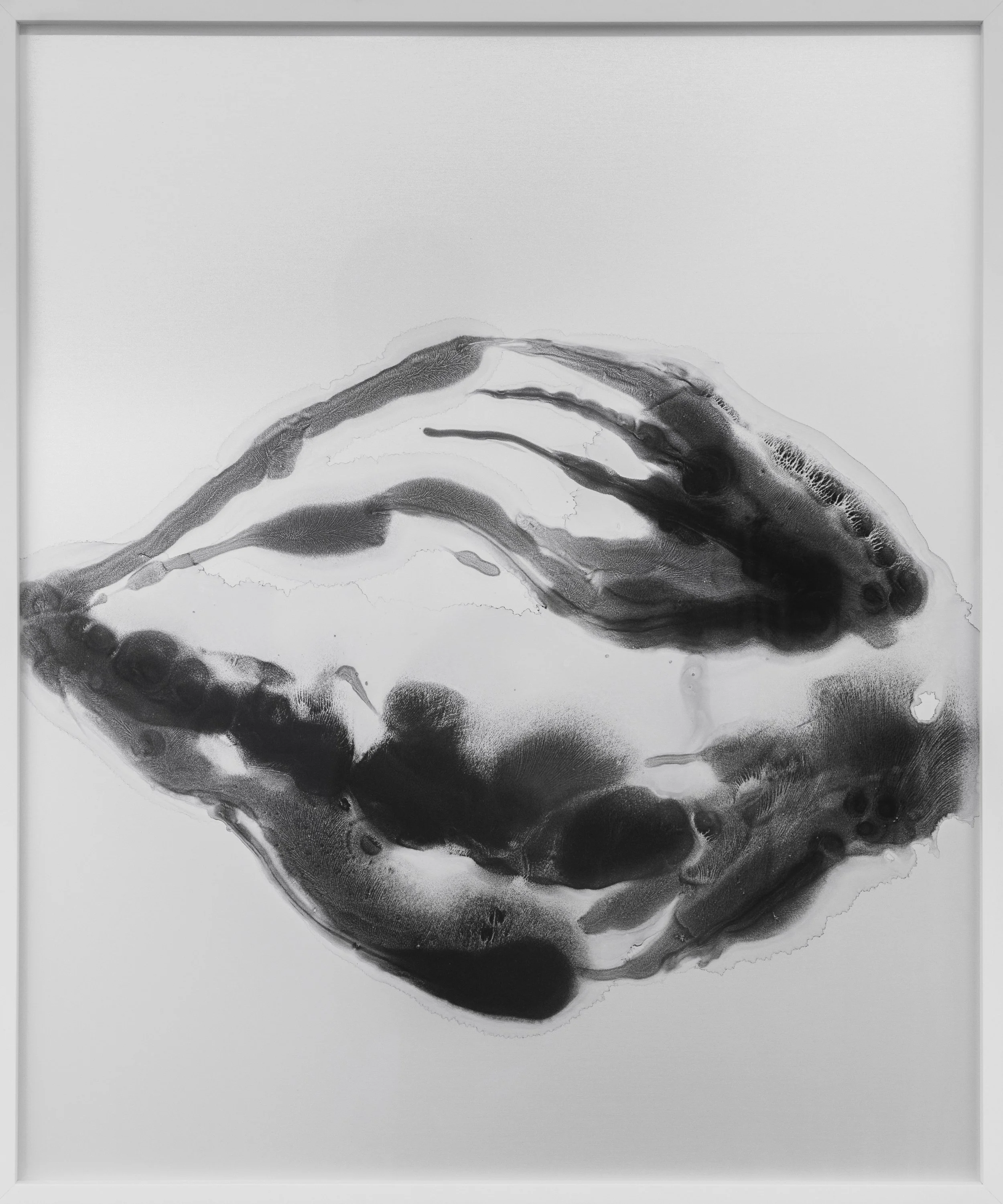
Hypnagogic Psychomorphology II, 2026
Toner on oxidized aluminum panel
60 × 50 cm
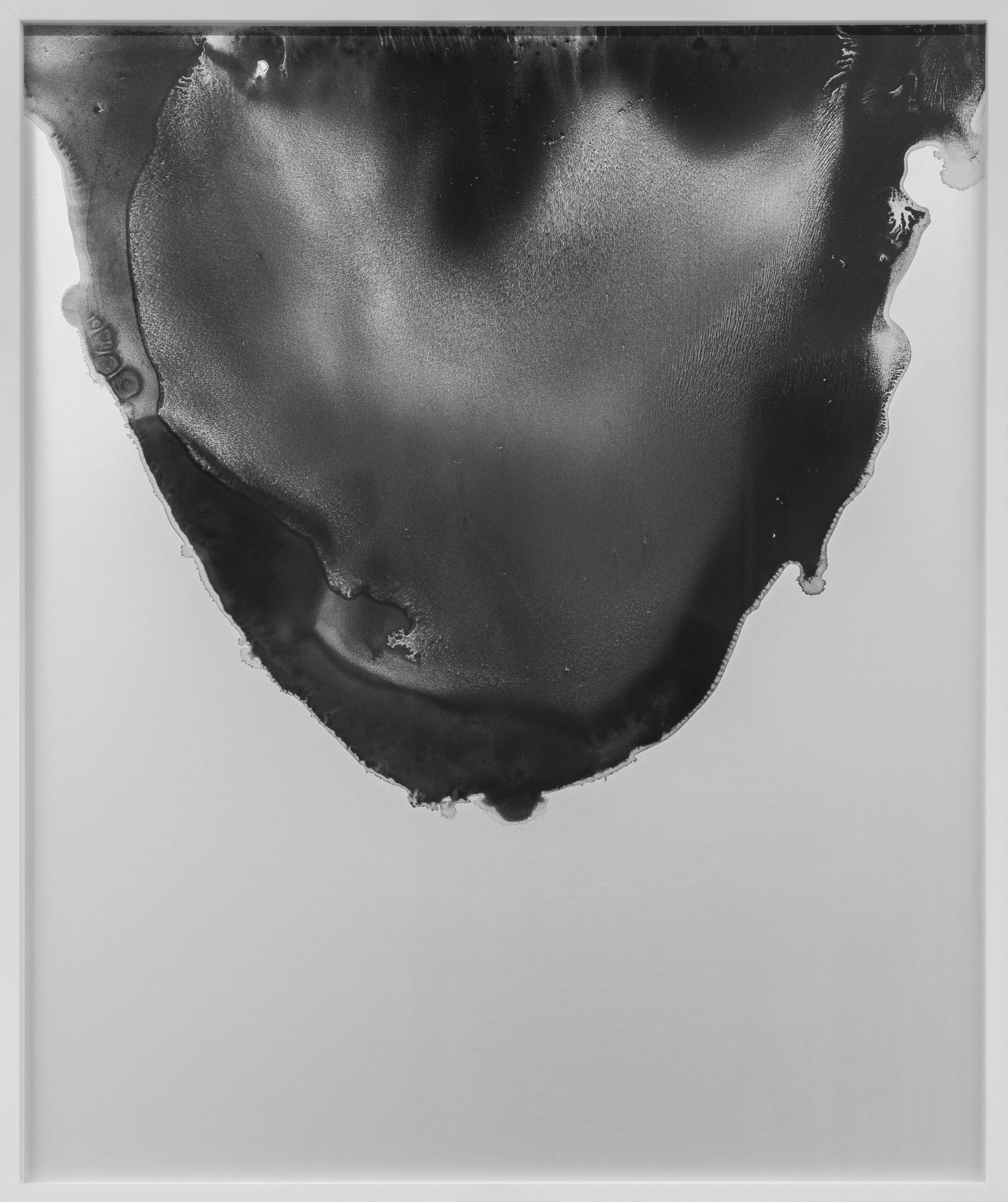
Hypnagogic Psychomorphology III, 2026
Toner on oxidized aluminum panel
60 × 50 cm
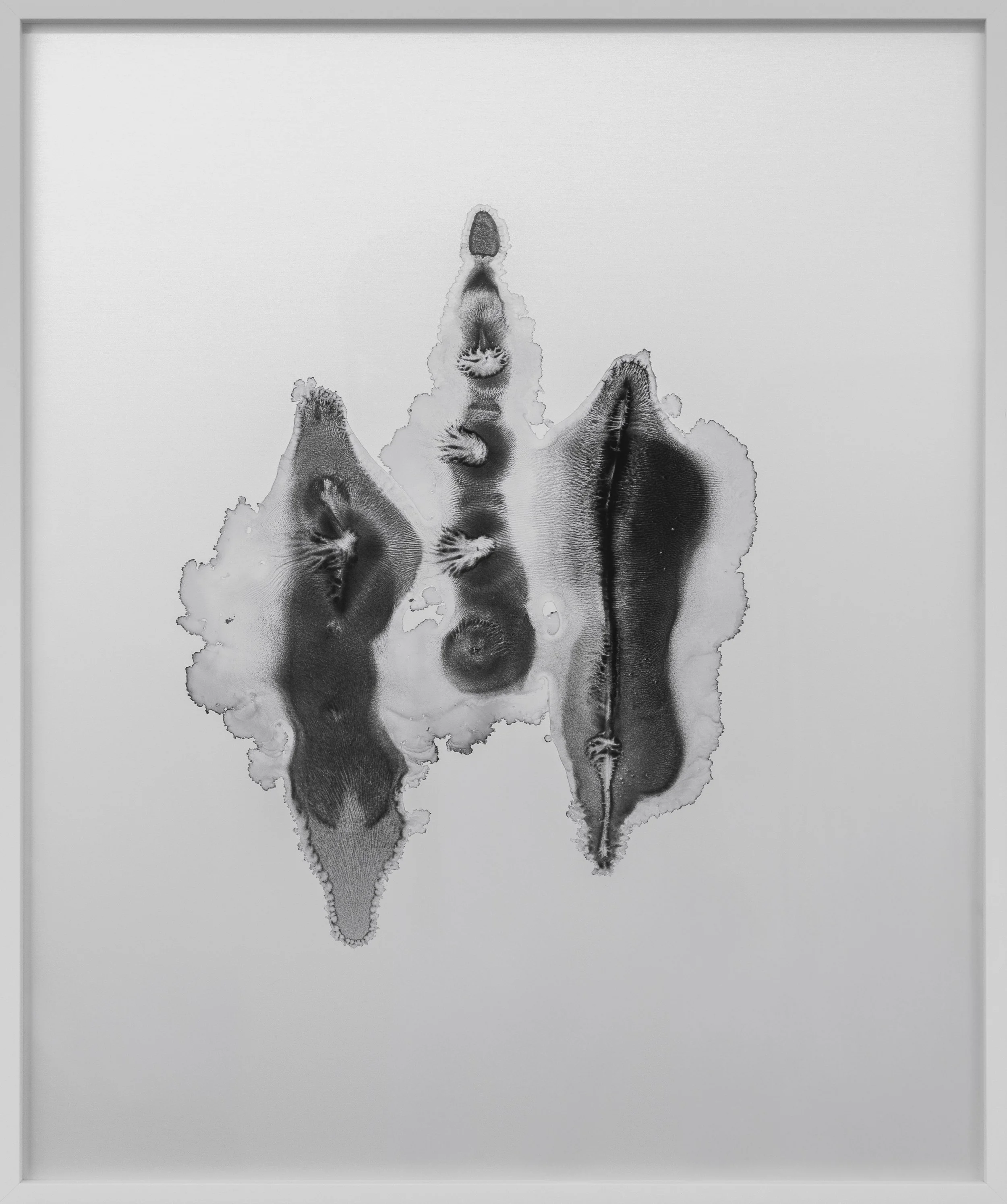
Hypnagogic Psychomorphology IV, 2026
Toner on oxidized aluminum panel
60 × 50 cm
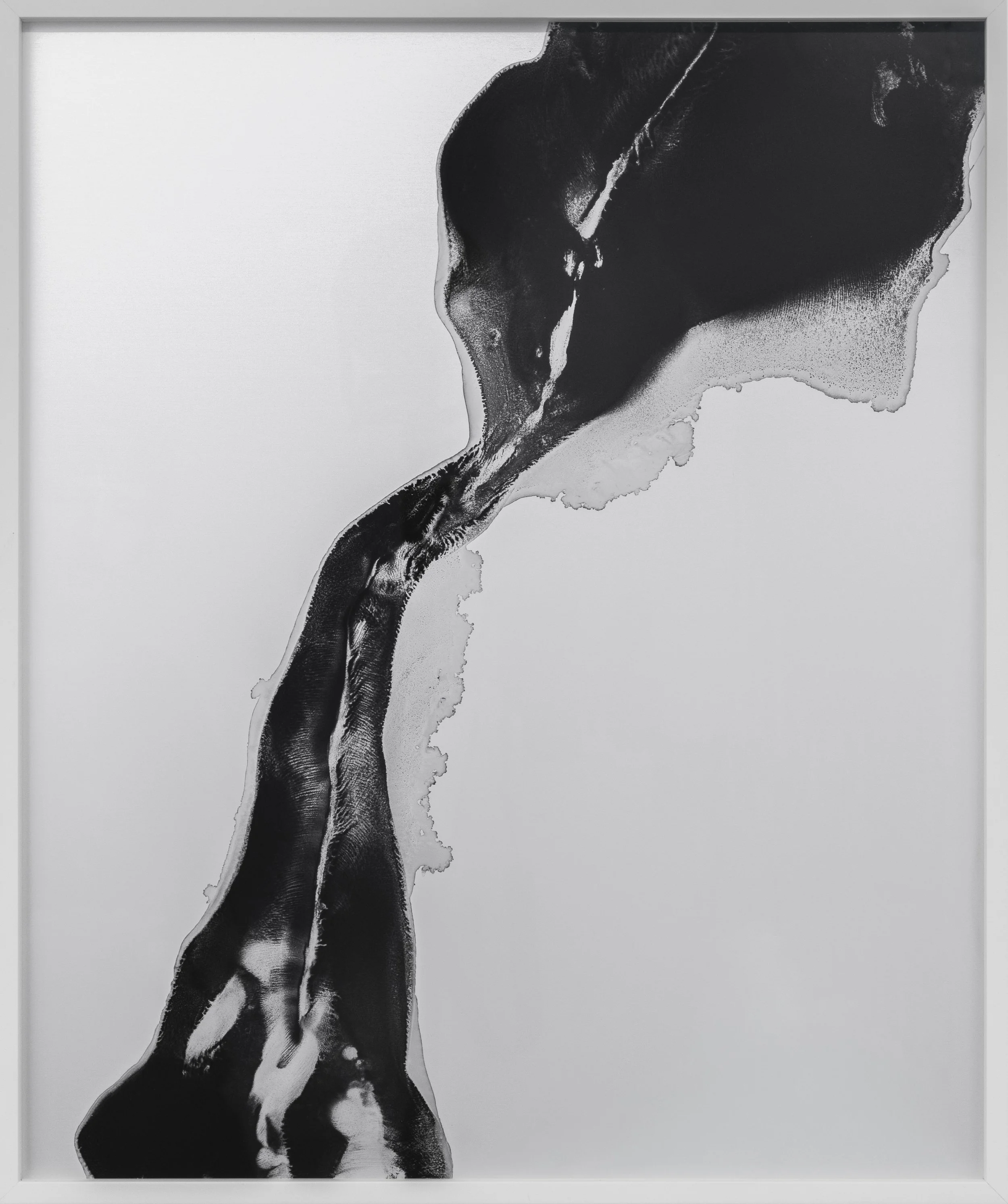
Hypnagogic Psychomorphology V, 2026
Toner on oxidized aluminum panel
60 × 50 cm
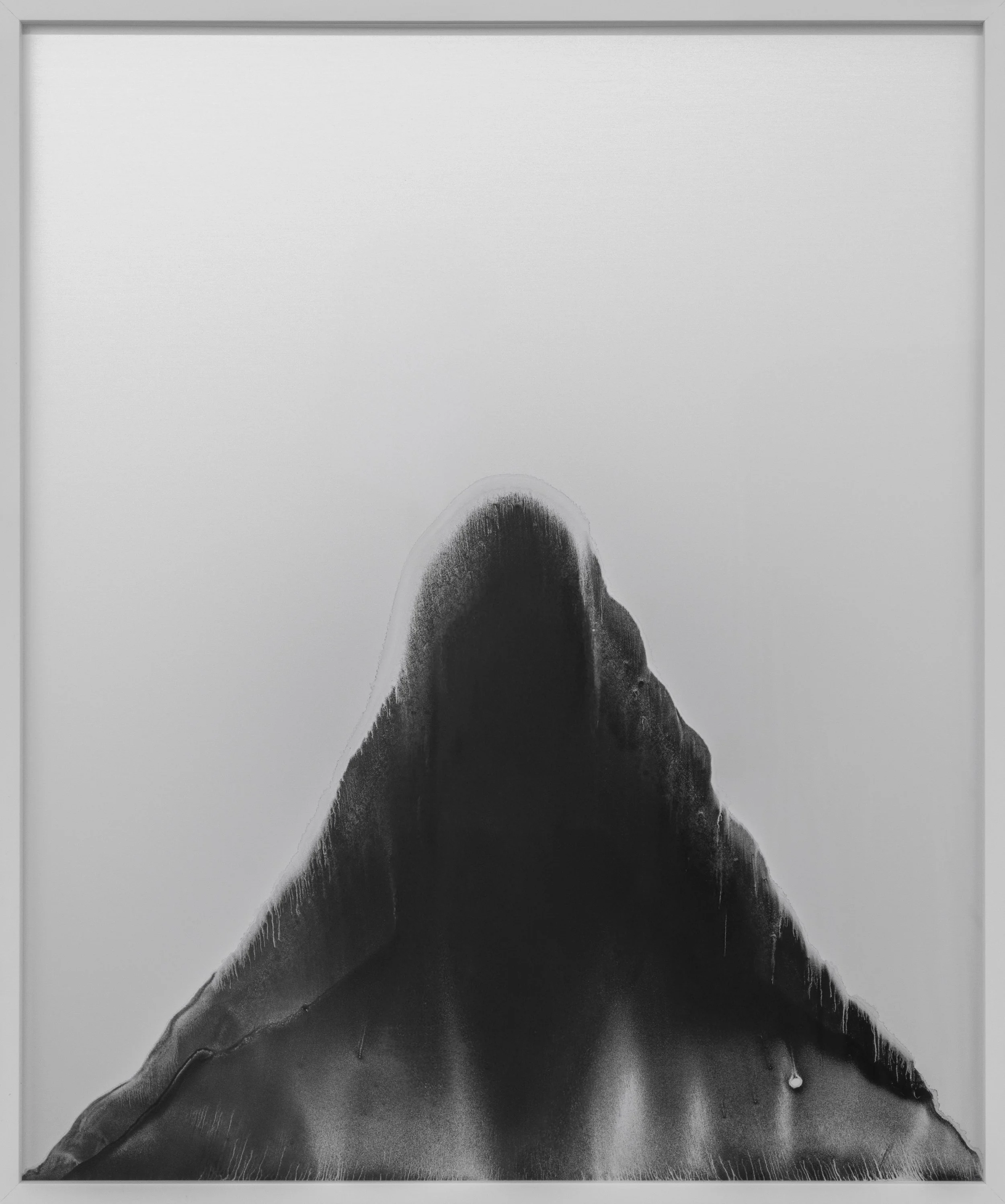
Hypnagogic Psychomorphology VI, 2026
Toner on oxidized aluminum panel
60 × 50 cm
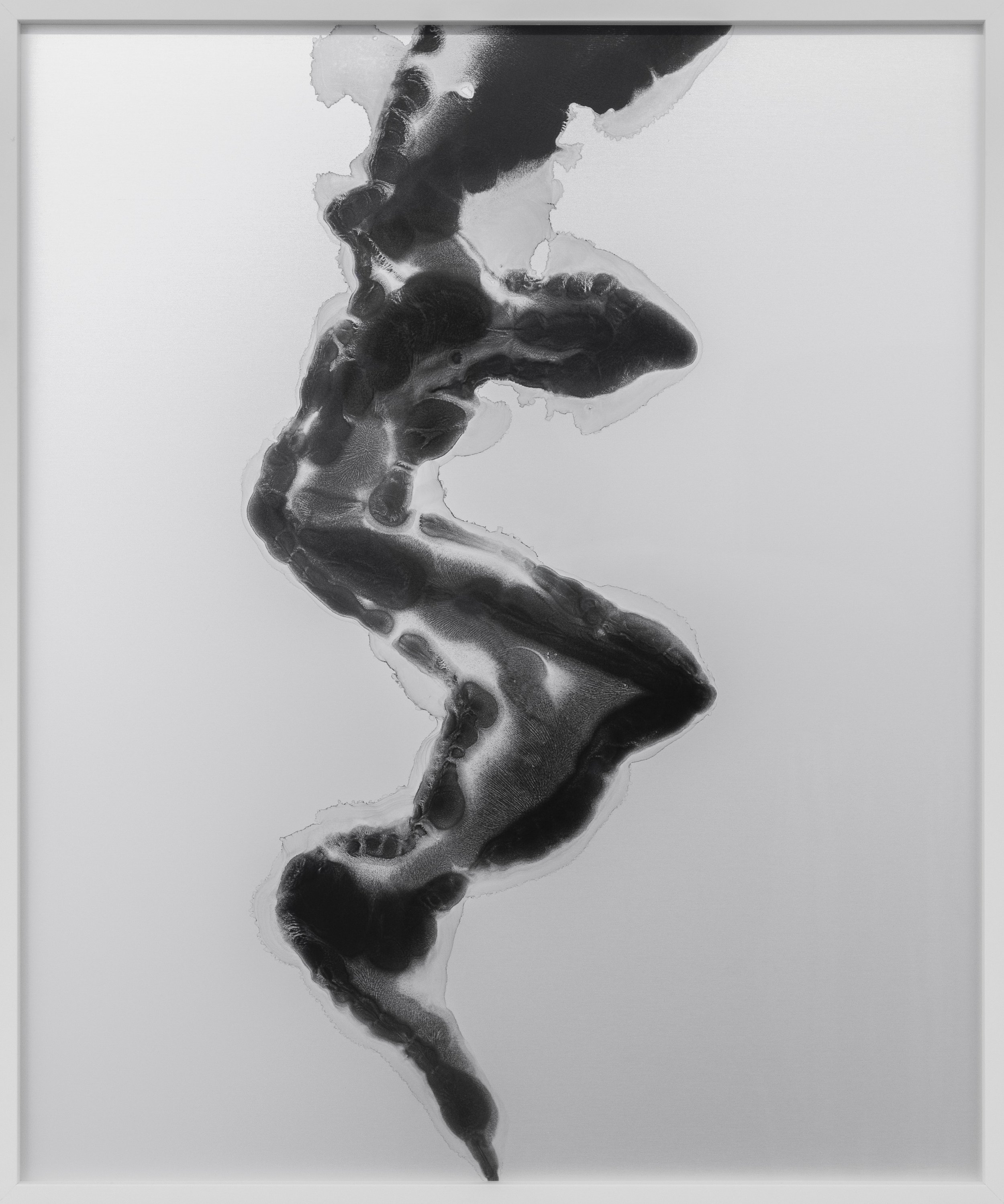
Hypnagogic Psychomorphology VII, 2026
Toner on oxidized aluminum panel
60 × 50 cm
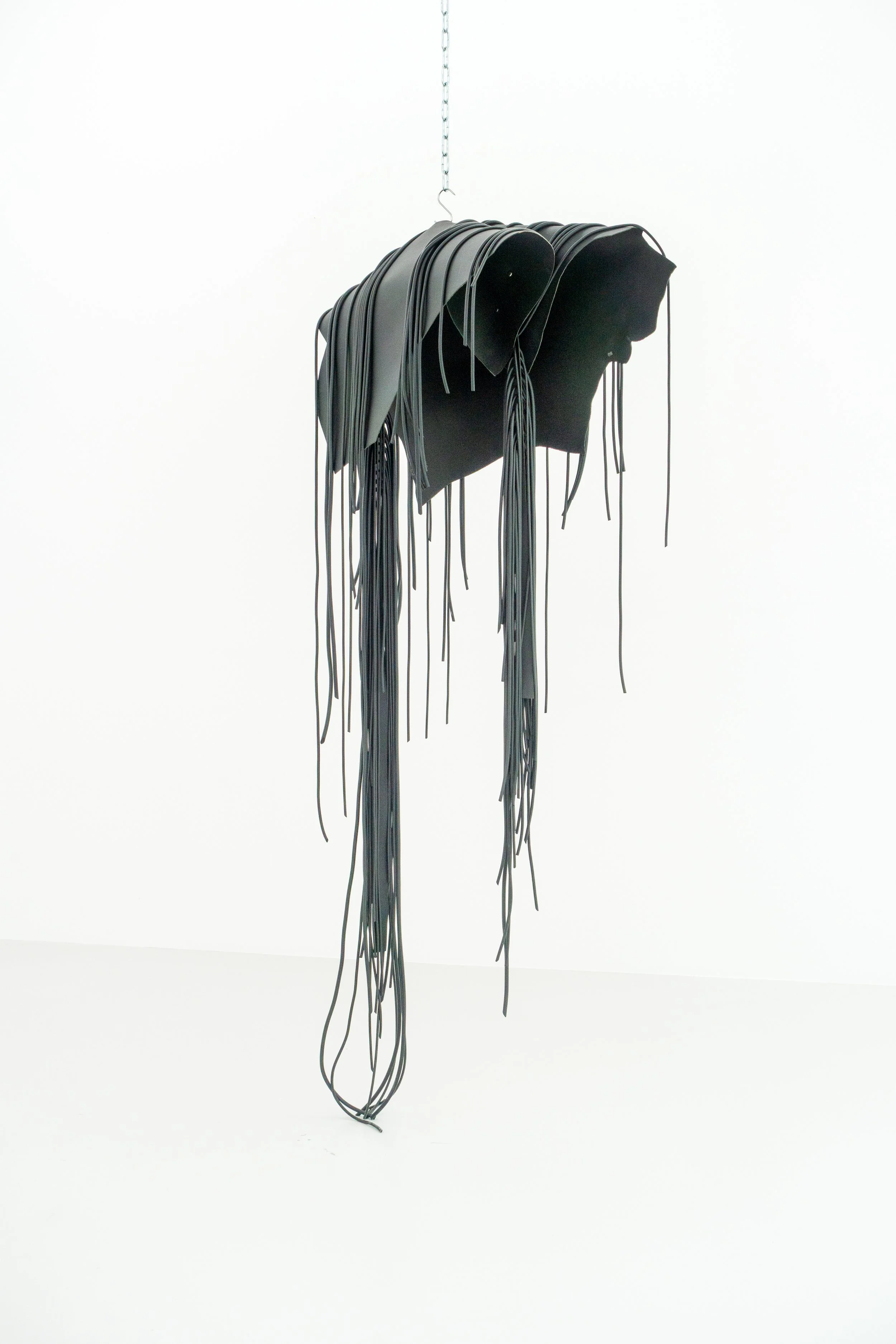
Andare in Sogno, 2024
Leather, cellular rubber, metal
223 × 120 × 44 cm
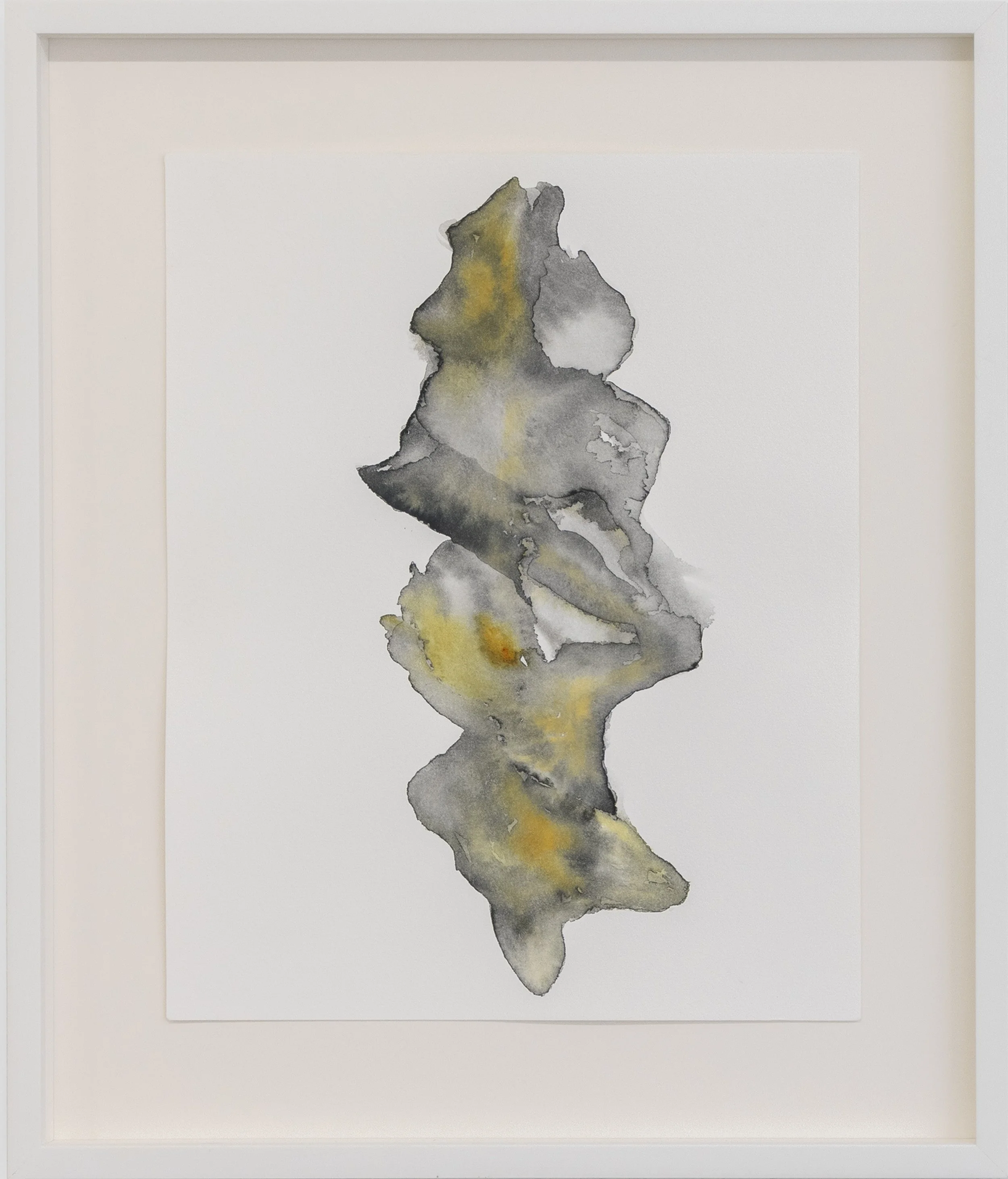
Voice of Many Stones I, 2025
Water color
30 × 23.5 cm
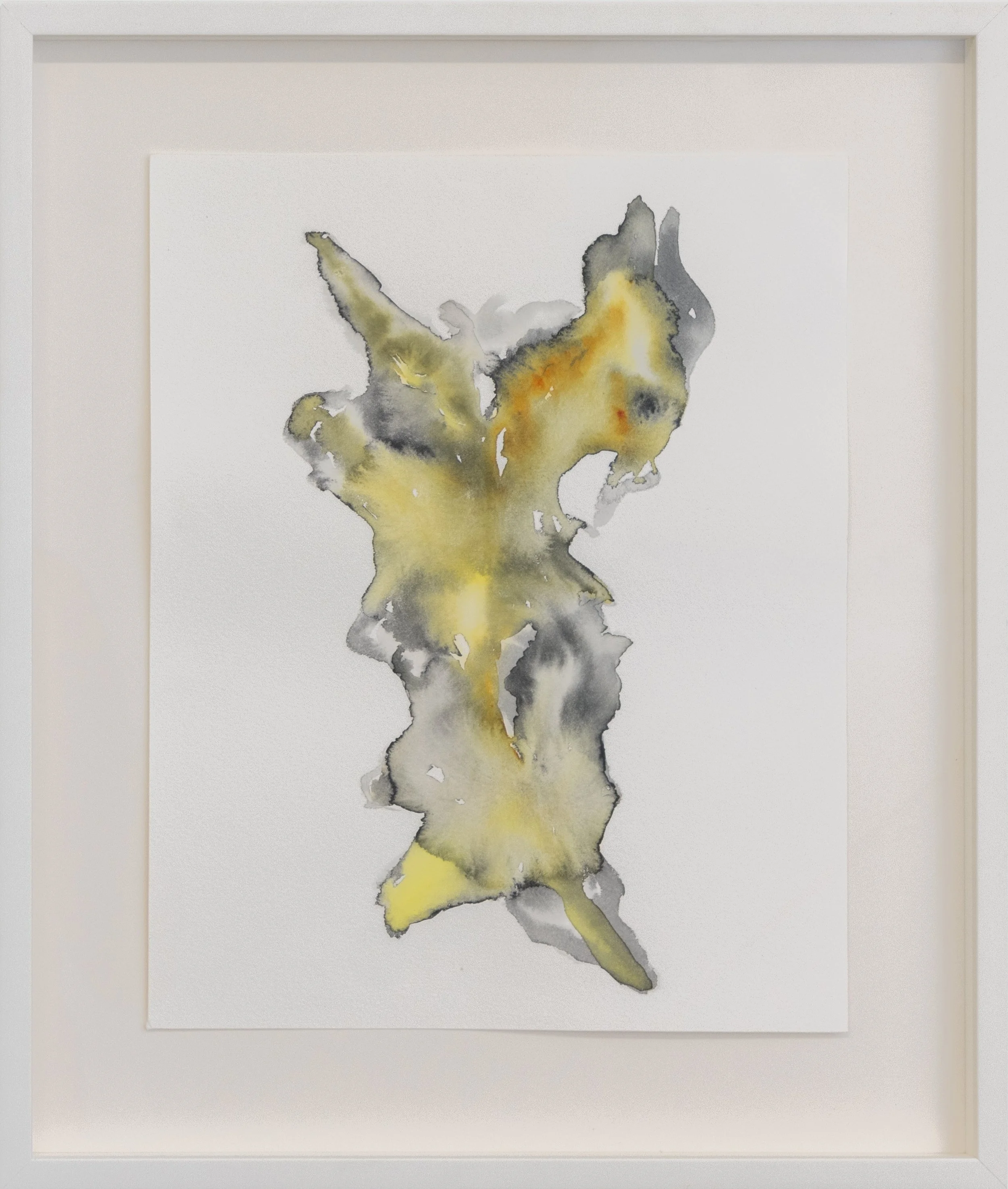
Voice of Many Stones II, 2025
Water color
30 × 23.5 cm
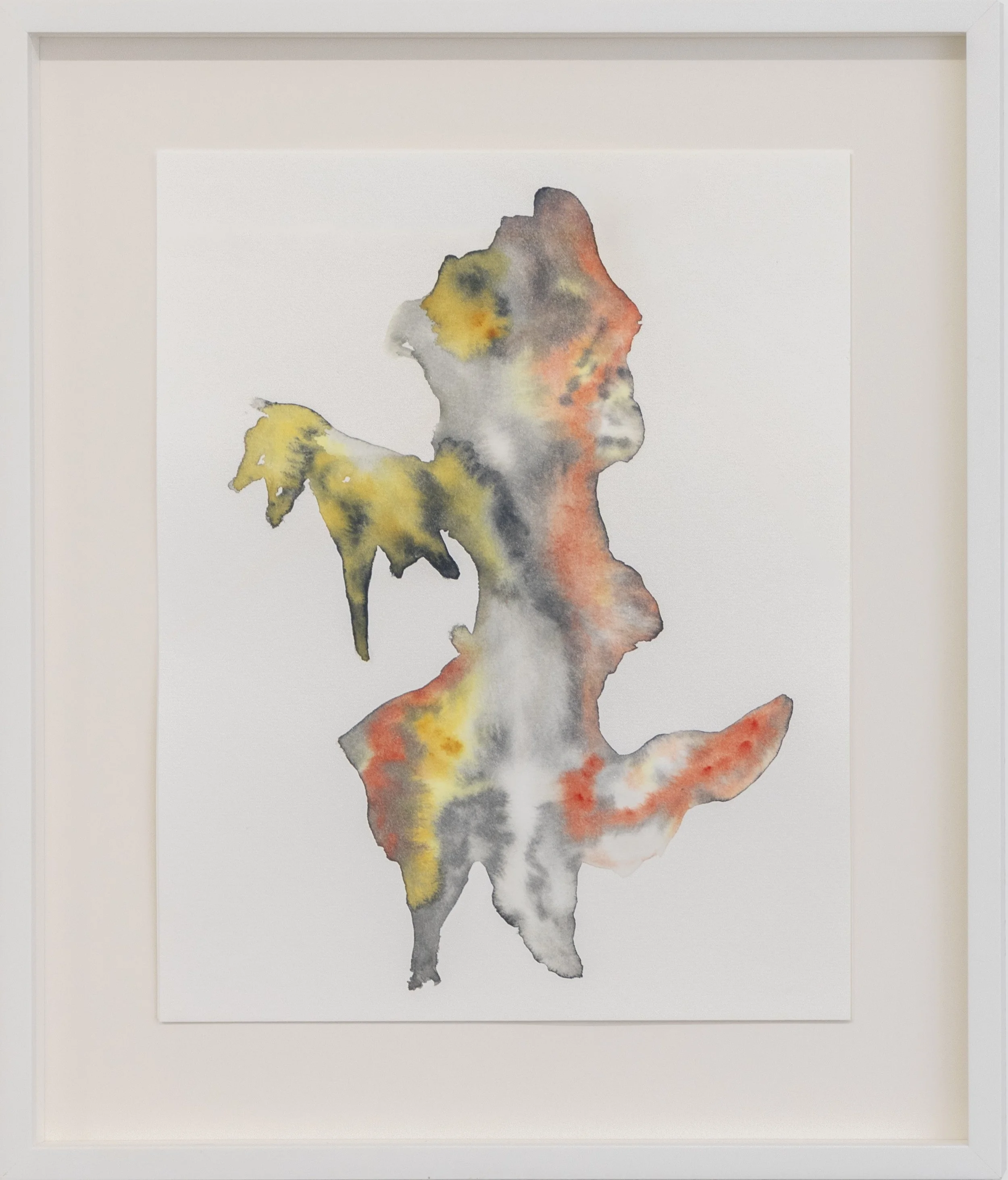
Voice of Many Stones III, 2025
Water color
30 × 23.5 cm each
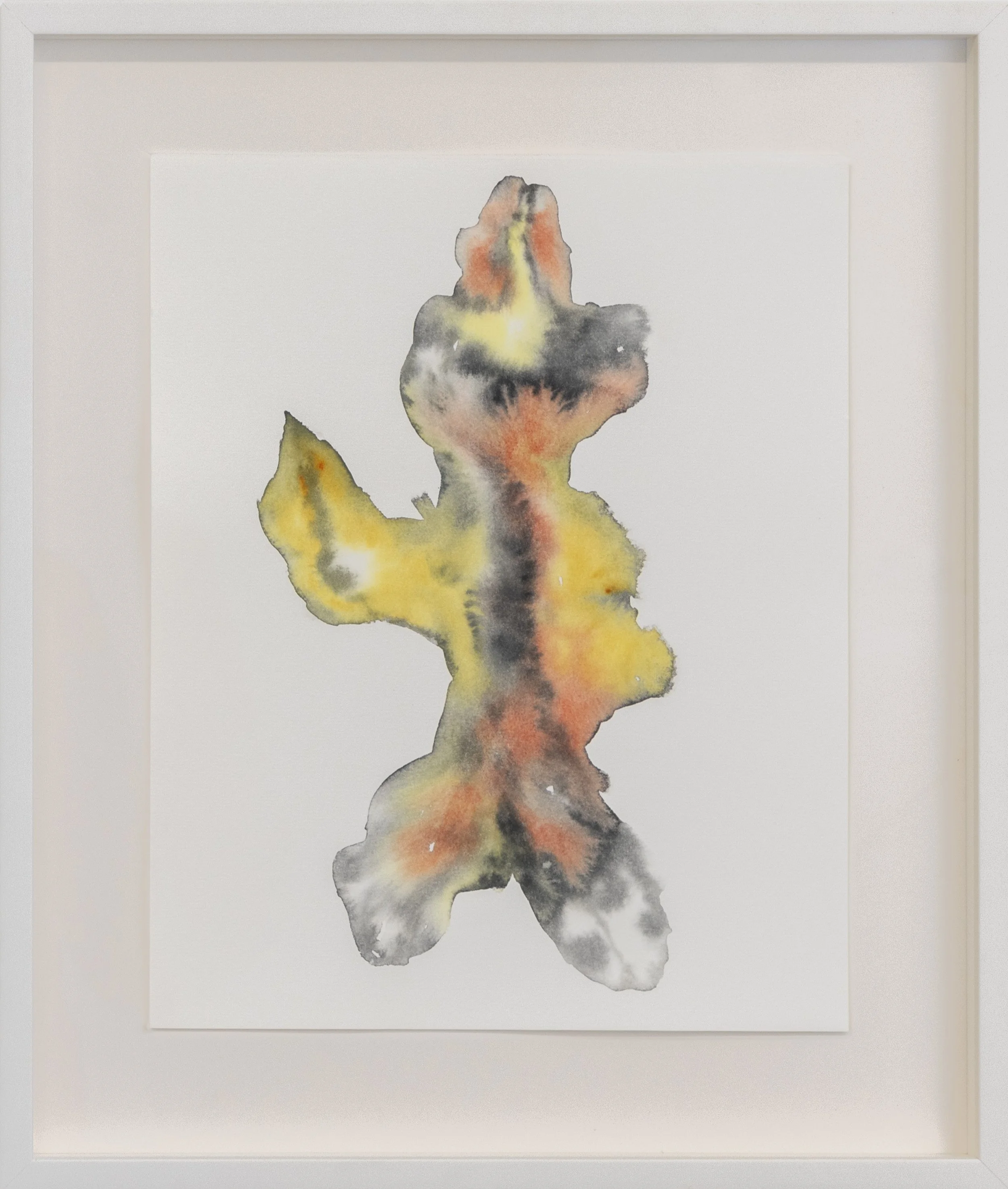
Voice of Many Stones IV, 2025
Water color
30 × 23.5 cm each
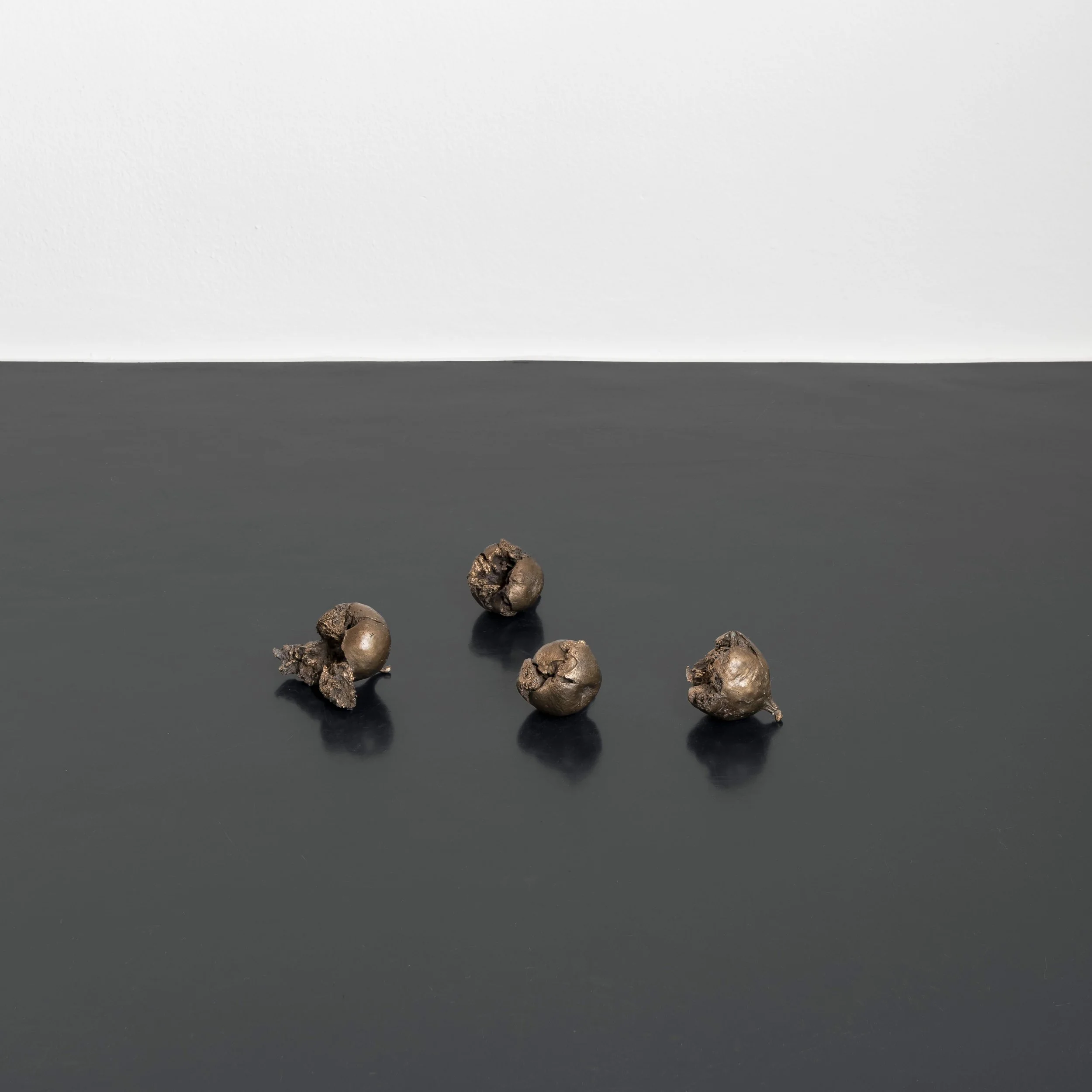
Le Benandanti - Diana, Rossa, Anna, Lucina, 2024
Second edition
Bronze
8 x 8 x 8 cm each